
Miami-Dade Window & Door Permit Requirements Guide
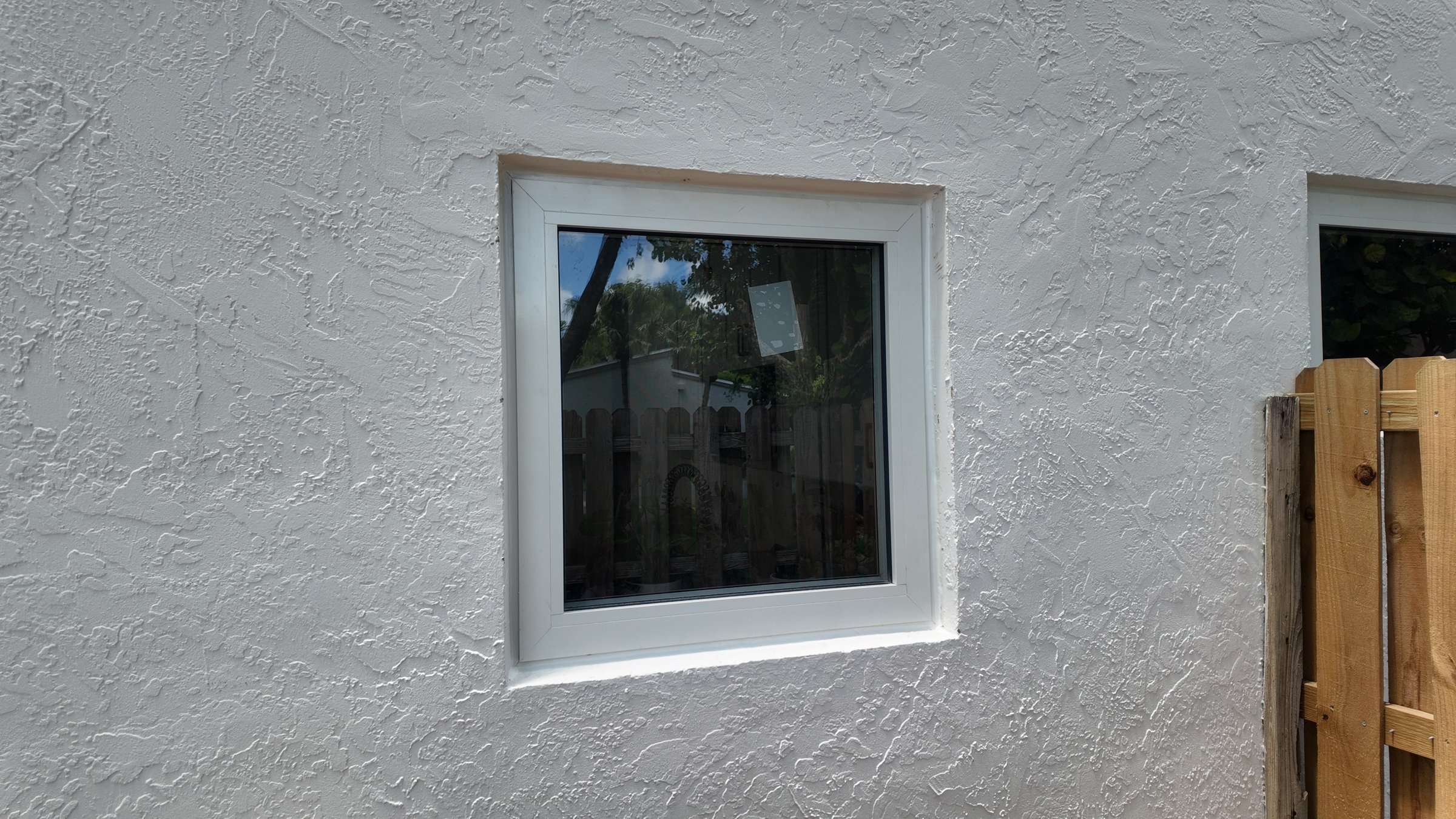
Every week a South Florida homeowner calls us after the fact — windows already in, old frames in a dumpster — asking the question that should have come first: “Was this supposed to be permitted?” In Miami-Dade County, yes, essentially every time. Replacing even one window or door alters a building envelope engineered to survive a Category 5 storm. Here’s the whole chain, product approval to final sign-off.
Key Facts on Miami-Dade Window & Door Permits
- Miami-Dade and Broward counties make up the only High-Velocity Hurricane Zone (HVHZ) in the United States, as defined by the Florida Building Code (floridabuilding.org).
- In the HVHZ, exterior wall openings must be protected against wind-borne debris — glazing must be impact-resistant or have approved protective coverings — per the Florida Building Code, High-Velocity Hurricane Zone provisions (floridabuilding.org).
- Impact-rated glazing must pass large-missile impact testing (a nominal 9-lb 2×4 launched at roughly 50 ft/s) followed by cyclic pressure loading under the ASTM E1996 / TAS 201, 202, and 203 protocols referenced by the Florida Building Code (floridabuilding.org).
- Product acceptance in Miami-Dade is documented through the county’s Notice of Acceptance (NOA) system, searchable via Miami-Dade Regulatory and Economic Resources (miamidade.gov).
- FEMA identifies unprotected windows, doors, and other openings as a primary path for wind and water intrusion that can lead to structural failure during high-wind events (fema.gov).
What a Miami-Dade Window and Door Permit Actually Covers
A permit isn’t a fee you pay for permission. The Miami-Dade window and door permit requirements exist to create an inspected record that the product you installed was tested for the High-Velocity Hurricane Zone and fastened into your wall exactly as the engineering demands. It ties together three things useless in isolation:
- The product — a tested impact assembly with a valid approval number
- The installation — anchor type, spacing, embedment, and substrate, per the approved instructions
- The verification — an inspector confirming the first two match
Miami-Dade and Broward sit in the only HVHZ in the country (floridabuilding.org). The permit is how that engineering gets enforced on your house instead of living in a binder at the factory.
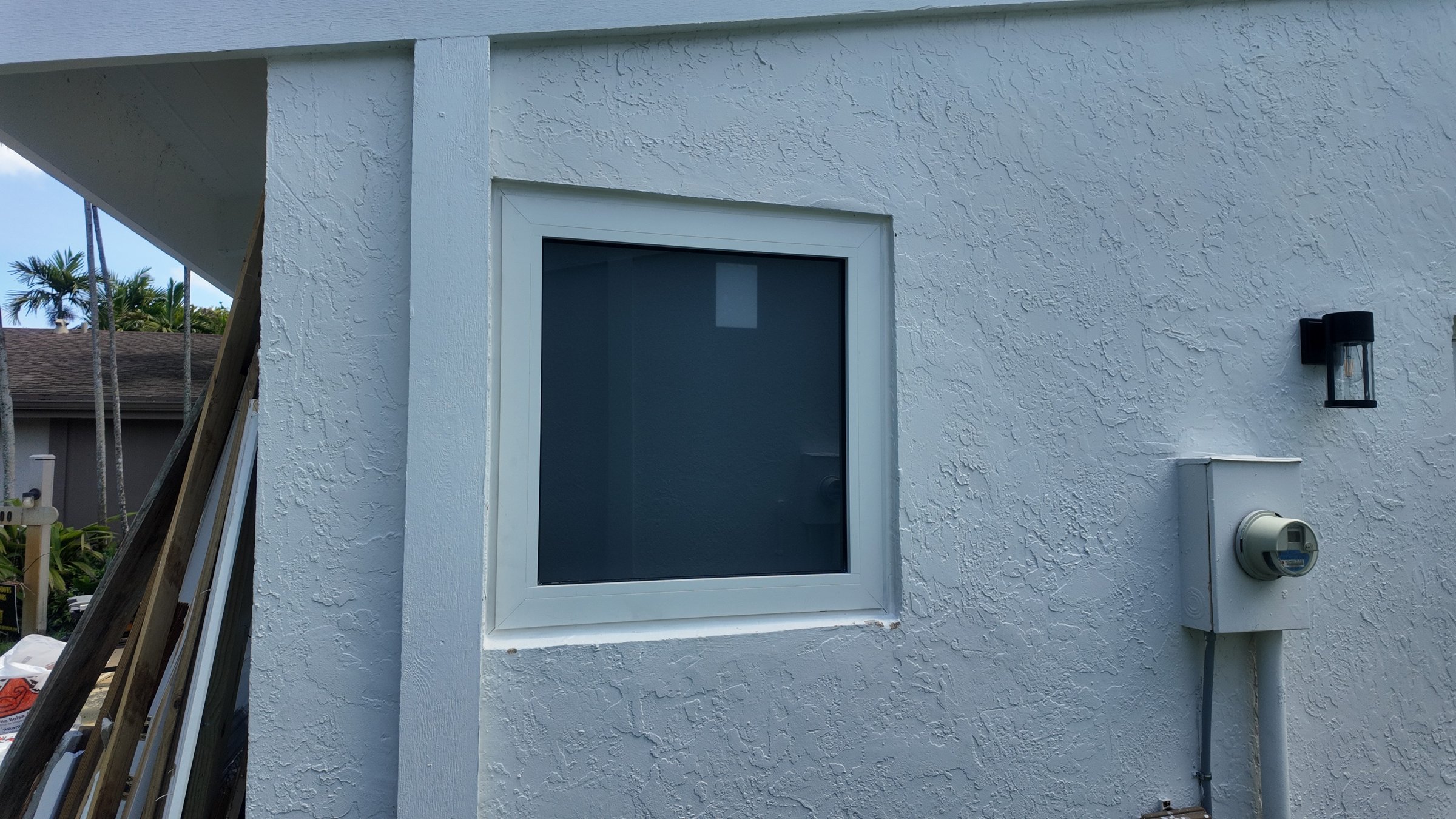
NOA vs. Permit: Two Different Approvals You Both Need
This is the biggest point of confusion we correct on estimates. An NOA is not a permit, and a permit does not substitute for an NOA.
A Miami-Dade NOA (Notice of Acceptance) is issued to a manufacturer, for a product. It certifies that a specific assembly — glass thickness, interlayer, frame profile, maximum dimensions, anchors — passed large-missile impact and cyclic pressure testing and is accepted for HVHZ use. A building permit is issued to a permit holder, for your address, authorizing installation subject to inspection.
You need both. An NOA with no permit is an approved product installed with zero verification; a permit with no valid product approval number fails the moment an inspector asks for documentation. NOAs are searchable in the Miami-Dade RER product-control database (miamidade.gov), so anyone — including you — can verify an approval is real and current.
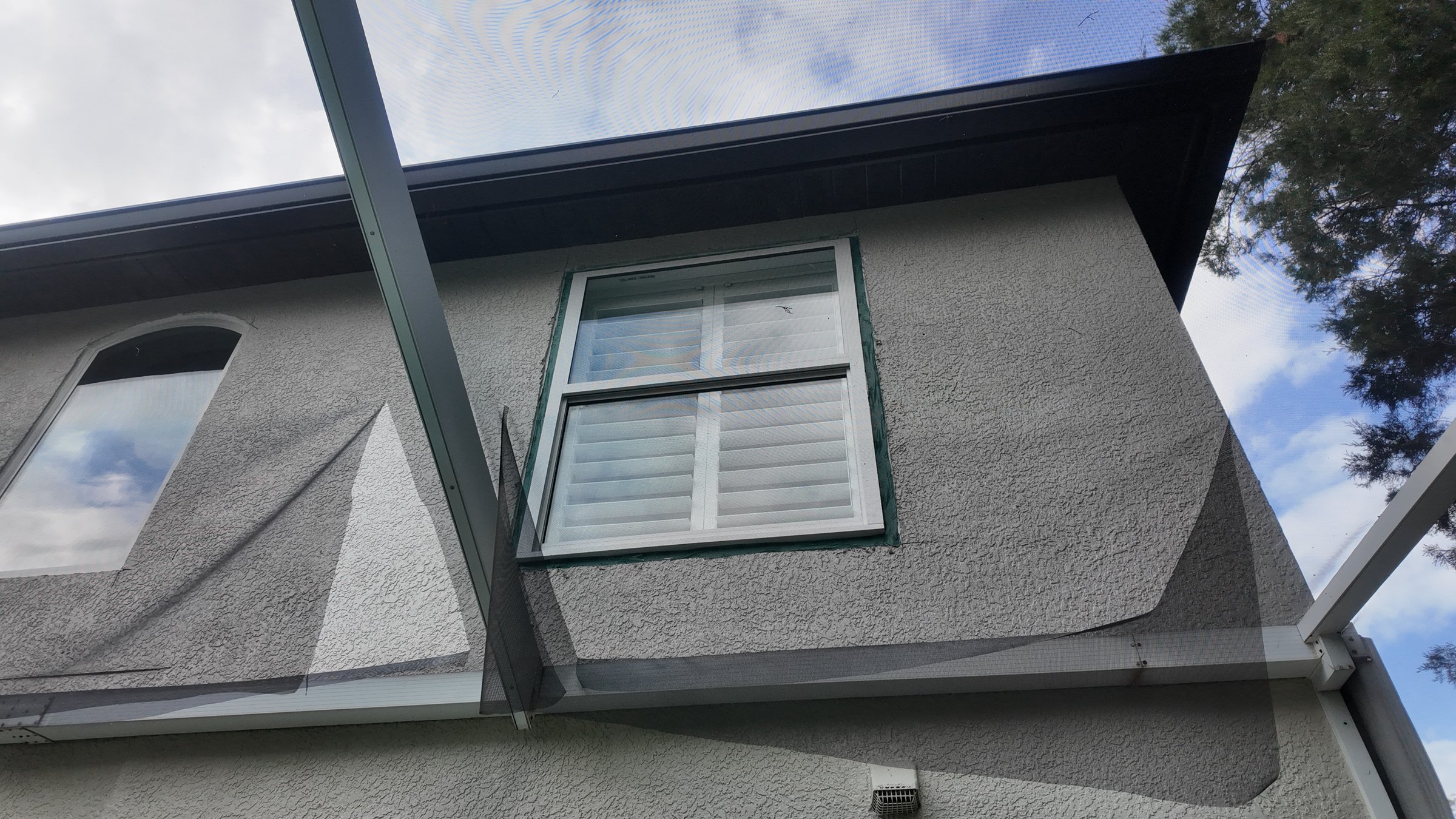
Reading a Product Approval Number Before It’s Ever Installed
Ask for product approval documentation before a deposit changes hands, and read past the cover page. Check the expiration date — an expired approval won’t carry a permit. Check the maximum tested dimensions; a window approved to a given width can’t be stretched to fit an 8-foot opening because a salesman said it would be fine. Check the design pressures, positive and negative. Confirm the approval covers your substrate — block, poured concrete, and wood buck carry different anchor schedules.
We do this on every estimate. On a recent Kendall block-home retrofit, we caught a homeowner’s earlier bid that specified a slider approval whose maximum tested width was several inches narrower than the master-bedroom opening — the assembly would never have carried a permit at that size. We re-specified a unit whose NOA covered the actual dimension, and the job cleared plan review without a single comment on the product.
Two things kill jobs at inspection: an anchor that isn’t in the approved schedule, and spacing that drifted wider than the drawing allows. Both are invisible once stucco and trim go back on.
Who Is Legally Responsible for Pulling the Permit
In Florida, permits are pulled by a licensed contractor qualified for the work, and who pulls the permit for window replacement in Miami matters — the permit holder is the party the county holds accountable. Bigfoot Windows & Roofing pulls under its own licenses — CGC1531370, CCC1333168, CRC1331693, and SCC131153098. When our license number is on the permit, we own the code compliance, the inspections, and any correction the inspector orders.
Refuse this outright: a salesman or unlicensed installer asking you to pull the permit so they can work under your name. That isn’t a shortcut — it moves the entire legal and financial exposure onto you personally.
Can a Homeowner Pull an Owner-Builder Permit Instead?
Florida law allows an owner-builder permit on an owner-occupied single-family residence. You sign a disclosure acknowledging you’re acting as your own contractor, responsible for supervising the work and for code compliance, and potentially liable if you hire unlicensed labor.
It’s legal, and it’s the wrong tool for impact windows. As owner-builder you personally answer for anchor schedules and NOA compliance you were never trained to evaluate, and no contractor’s insurance stands behind the work. For a hurricane impact window permit and inspection chain, let a license carry the risk.
Inside the Miami-Dade RER Permit Process, Step by Step
The Miami-Dade RER building permit process (Regulatory and Economic Resources) governs unincorporated Miami-Dade; municipalities run their own queues, but the bones are identical.
- Application package. Scope, product approval documentation for every opening, a window and door schedule tying each opening to its approval, and installation details.
- Plan review. An examiner confirms the products are approved and current, the design pressures suit the exposure, and the anchoring details are complete.
- Comments and resubmittal. Anything missing or mismatched draws comments, and each round restarts part of the clock.
- Issuance. Fees paid, permit issued, card posted on the job.
- Installation and inspections against the approved documents.
- Final approval and close-out on the county record.
Window permit cost in Miami-Dade isn’t one flat number — it scales with job valuation and includes plan review, permit, and inspection components. Fee schedules are published by Miami-Dade RER (miamidade.gov), and an honest contractor quotes it as a line item tied to your scope.
Inspection Stages: Rough-In Through Final Sign-Off
The rough-in / anchor inspection is the critical one, and the one bad actors skip. It happens after units are set and fastened but before stucco, trim, and finish cover the fasteners; the inspector verifies anchor type, spacing, and embedment against the approved details. Once that opening is buried, nobody verifies it without demolition.
The final inspection for impact windows and doors confirms the installed products match the permitted schedule, that labels are present and legible, that sealant and flashing are complete, and that egress and safety-glazing requirements are met. When it passes, the permit closes on the county record — the record an insurer, appraiser, or buyer’s attorney later goes looking for.
Realistic Permit Timelines vs. What Contractors Quote
The permit timeline for window installation in South Florida is the number most often shaved in a sales pitch. What moves your date: which building department has the job, whether the submittal was complete on the first pass, whether approvals were current, and how heavy the queue is. Post-storm seasons and year-end surges stretch everything.
Submittal quality is the biggest controllable factor — a contractor who says “permits take about two weeks” without asking which city you’re in or which products you’ve chosen is quoting a wish, not a schedule. Nobody satisfies the Miami-Dade window and door permit requirements faster by guessing.
What Happens When a Contractor Skips the Permit
A neighbor complaint, a passing inspector, or a records check triggers a stop-work order. Then comes the after-the-fact permit at increased fees, plus a demand for proof that concealed work meets code — which, with the anchors covered, means opening walls back up or paying an engineer to certify the installation.
Worse: if the wrong product went in — a non-impact unit, an approval that never covered your opening size, an anchor schedule that doesn’t match the substrate — there’s no paperwork fix. The remedy is replacement. Unpermitted window replacement homeowner liability isn’t theoretical; the owner carries that cost.
Insurance Claims, Stop-Work Orders, and Resale Title Exposure
Insurance. Florida windstorm mitigation credits are earned by documenting that openings carry approved, properly installed products, and a mitigation inspection leans on labels and permit records. No closed permit, no reliable credit. After a storm, a carrier reviewing a claim looks at whether envelope work was permitted — unpermitted alteration hands an adjuster a documented basis to dispute a claim on the very components that failed.
Enforcement. Open or expired permits and code violations attach to the property, not the contractor, and can become liens.
Resale. Permit history is public record. When your house goes under contract, the buyer’s agent, inspector, or title company pulls it, and an open or missing permit becomes a closing issue — a credit or a retroactive permit demanded on their timeline, while your sale sits.
How Bigfoot Handles Permitting on Every Impact Window and Door Job
We don’t offer an unpermitted option, and we don’t ask homeowners to pull owner-builder permits so we can work under their name. On every job we match products with current Miami-Dade approvals to your openings, exposure, and substrate; assemble the submittal; pull the permit under our own license; install to the approved instructions; and stay on the job until the permit closes on the county record.
That’s what the Miami-Dade window and door permit requirements are really buying you: hurricane protection that’s provable, not just claimed.
Frequently Asked Questions About Miami-Dade Window Permits
Do I need a permit to replace just one window in Miami-Dade?
Yes. Replacing even a single window or door alters an engineered building envelope, and in Miami-Dade’s High-Velocity Hurricane Zone the opening protection must meet the Florida Building Code (floridabuilding.org). A permit creates the inspected record that the product is approved and correctly anchored. One-window jobs are permitted just like whole-house jobs.
Can I pull an owner-builder permit for windows myself, or does it have to be my contractor?
Legally you can, on an owner-occupied single-family home. But you sign a disclosure taking responsibility for supervising the work and for code compliance, and no contractor’s insurance stands behind the installation. For engineered impact assemblies, have a licensed contractor pull it so the liability sits with them.
What happens to my homeowner’s insurance if my windows were installed without a permit or final inspection?
Two problems. Windstorm mitigation credits depend on documented, approved, properly installed opening protection; without permit records and labels, a mitigation inspection may not support the discount. And after a storm, a carrier can examine whether envelope work was permitted — unpermitted alteration gives an adjuster a documented basis to dispute the claim.
Will an unpermitted window job show up when I sell my house?
Yes, routinely. Permit history is public record, and buyers’ agents, inspectors, and title companies pull it during due diligence. An open or missing permit becomes a closing issue, with the buyer demanding a credit or a retroactive permit — far slower and costlier than permitting it correctly the first time.
What’s the difference between an NOA and a building permit — do I need both?
You need both. A Miami-Dade NOA is issued to a manufacturer for a product, certifying the assembly passed HVHZ impact and pressure testing at specified dimensions and design pressures, and is searchable in the Miami-Dade RER product-control database (miamidade.gov). A permit is issued to a permit holder for your address, authorizing installation subject to inspection. The NOA is the spec sheet; the permit is the job authorization.
How do I know if a window is truly impact-rated for the HVHZ?
Impact-rated glazing must pass large-missile impact testing followed by cyclic pressure loading under the TAS 201/202/203 and ASTM E1996 protocols referenced by the Florida Building Code (floridabuilding.org), and it will carry a valid Miami-Dade NOA you can look up at miamidade.gov. Confirm the NOA number, its expiration date, and that your opening size falls within the maximum tested dimensions before installation.
How long does the Miami-Dade RER permit process actually take?
It varies by jurisdiction and workload — unincorporated Miami-Dade RER and each municipal building department run separate queues. The controllable factor is submittal quality: a complete package with current approvals, a full opening schedule, and correct anchor details can clear in one review cycle, while comments restart the clock each round.
What if my contractor pulled the permit but never called for the final inspection?
You have an open permit, and it attaches to your property, not the contractor. Open permits expire, draw enforcement action, and surface at resale. Ask the contractor to schedule the final — that’s their obligation as permit holder. If they’re unresponsive, the building department can tell you what’s required to close it out.
Ready for a free estimate? Call 786-886-2088 or fill out our contact form.