
10 Things to Check Before Signing a Roofing Contract in Miami
In South Florida, a roofing contract is not a price agreement — it is a compliance document. Miami-Dade and Broward homeowners live inside the High-Velocity Hurricane Zone (HVHZ), where every shingle, tile, fastener, underlayment, and flashing detail must carry a Miami-Dade Notice of Acceptance (NOA) or a Florida Product Approval valid for HVHZ use. A contract naming none of that is not a bargain. It is exposure.
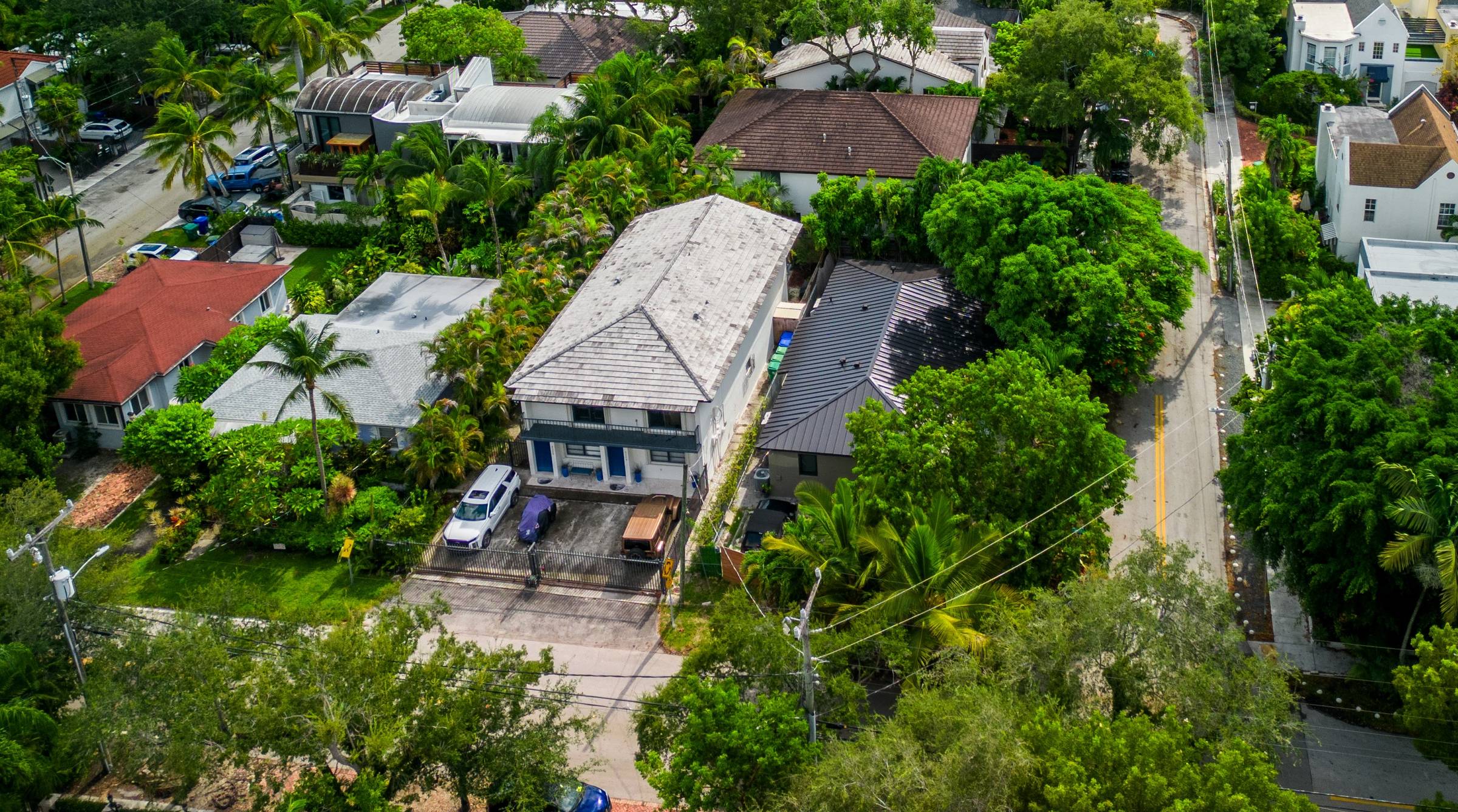
We have inspected roofs where tear-off started before a permit was applied for, where the “lifetime warranty” belonged to an LLC that dissolved a year later, and where the underlayment matched nothing on the approval waved at the kitchen table. On one Cutler Bay re-roof we took over mid-project, we pulled back new underlayment and found the deck had never been re-nailed to current fastening schedule — the reason it failed dry-in. All preventable at signature. Work this roofing contract checklist Miami homeowners can use before a pen touches paper.
Why South Florida Roofing Contracts Need Extra Scrutiny
Elsewhere, a roofing contract is about price, color, and schedule. Here it decides whether your assembly can legally exist. The HVHZ wind-load provisions of the Florida Building Code and the TAS 100, 201, 202, and 203 protocols — wind-driven rain, large missile impact, static and cyclic wind pressure — decide what may go on your deck. A product that passes testing in Georgia can be illegal on a Kendall roof.
The stakes are not abstract. Miami-Dade County sits in ASCE 7 wind zones requiring design wind speeds of roughly 170–175 mph ultimate for risk-category-II residences (see the wind-speed maps referenced in the Florida Building Code and Florida Building Commission materials). The roof is the assembly those speeds attack first, which is why HVHZ product approval is not paperwork — it is the difference between a roof that stays on and one that does not.
Storm season compounds it. Out-of-area crews flood the county with door-knocked contracts — thin on scope, silent on product approval, heavy on deposit. The ten checks below close those gaps.
1. Verify the Miami-Dade NOA (Notice of Acceptance) on Every Product Line
Every material should appear by manufacturer, product name, and NOA number — not “architectural shingles” or “premium underlayment.” That means shingles or tile, underlayment, fasteners, drip edge, roof flashing at walls and penetrations, ridge and hip accessories, and on flat roofs the TPO membrane or modified bitumen cap sheet and base plies.
Confirm each one yourself. Miami-Dade County publishes a free Product Control Search where any NOA can be looked up by number or manufacturer. Check that the number exists, has not expired, and that the approved application matches your roof — many approvals are conditional on deck type, slope, or fastening pattern. A real Miami-Dade product approval roofing line item survives that check in two minutes; a vague one does not.
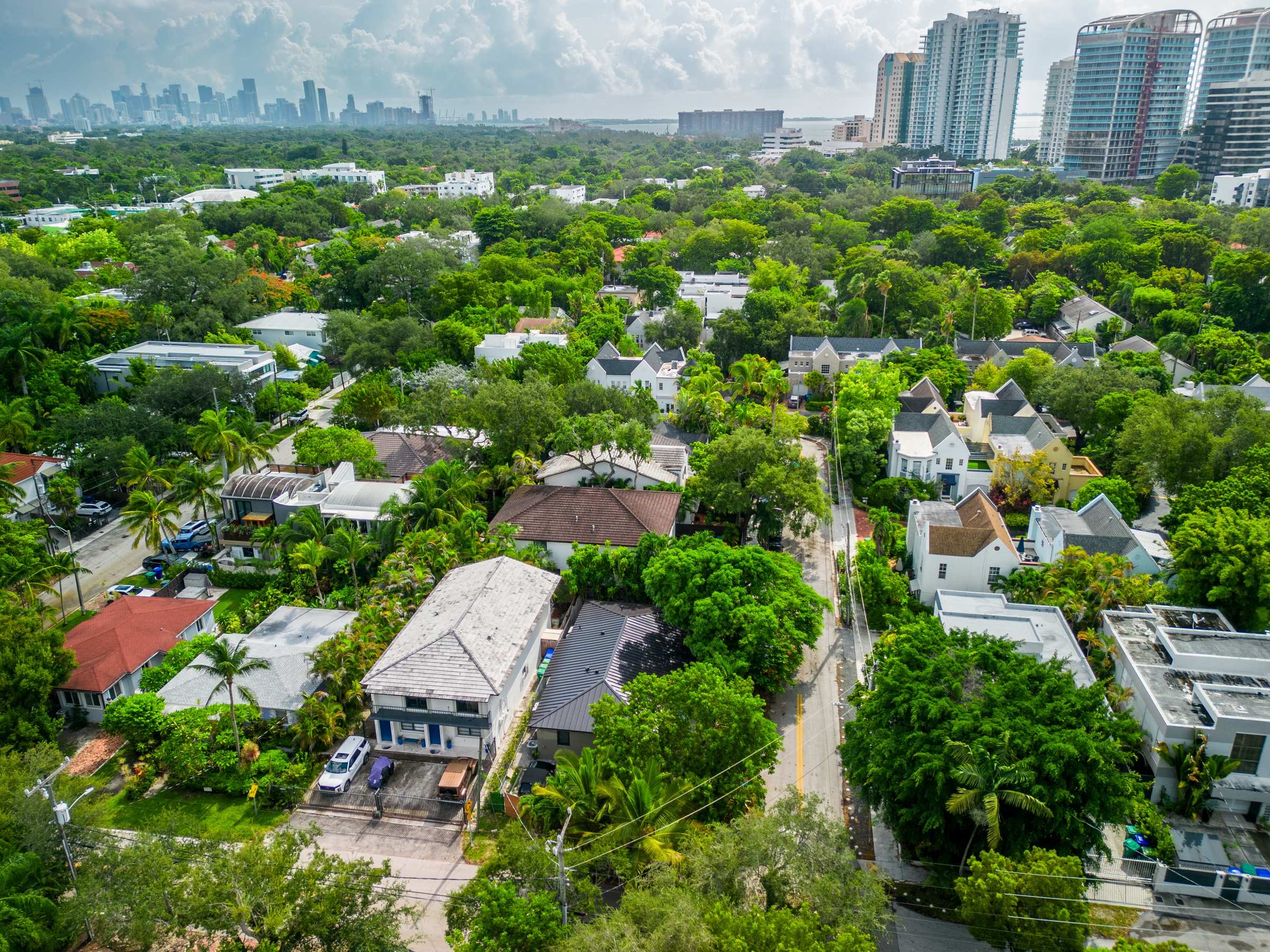
2. Confirm the Permit Will Be Pulled Under the Homeowner’s Address
Roofing permit responsibility in Florida belongs to the licensed contractor doing the work, pulled under your property address on that contractor’s own license number. Two failure modes: a salesperson asks you to pull an owner-builder permit, shifting every liability onto you; or a “permit runner” pulls under someone else’s license for a fee — license brokering, illegal in Florida.
Ask for the permit application number and verify it against your address in the county portal. Hurricane roof permit requirements also mandate staged inspections — dry-in, in-progress fastener, final. If the contract ignores them, it was not written for this county.
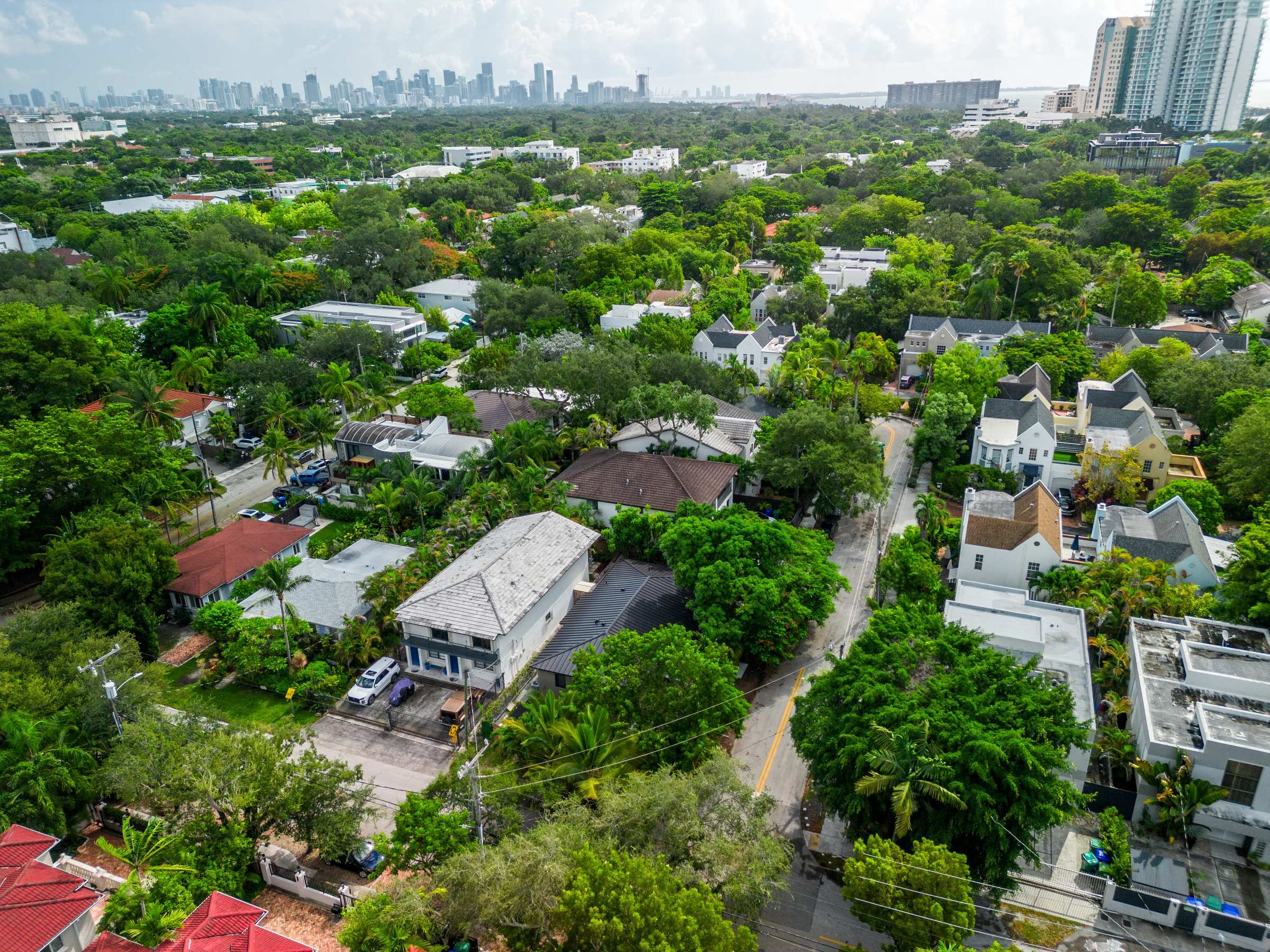
3. Understand Tear-Off vs. Overlay Scope — and Get It in Writing
The tear-off vs overlay roof decision changes cost, code compliance, and lifespan. In the HVHZ, layering new shingles over old is rarely permissible on a permitted replacement, and it hides what an inspector must see: deck condition, nailing pattern, rotted sheathing.
Your roofing scope of work document should state layers removed, deck inspection and re-nailing to code, the plywood allowance and per-sheet price beyond it, new drip edge at eaves and rakes, new roof flashing (not reused), valley treatment, and disposal. “Replace roof” is not a scope, and an allowance with no unit price is where change orders are born.
4. Check Deposit Terms Against Florida’s Legal Limits
Florida Statute 489.126 sets the roofing deposit terms Florida homeowners should know: a contractor collecting more than 10 percent up front must apply for permits within 30 days and start work within 90 days, barring conditions outside their control. A large deposit with no permit application behind it is not just a bad deal — it is a statutory violation.
Keep the deposit modest, tie remaining draws to visible milestones (permit issued, materials delivered, dry-in passed, final passed), and never pay the balance before the county closes the permit. Cash-only or “deposit today for this price” pressure is a stop sign.
5. Read the Warranty Language Closely (Manufacturer vs. Workmanship)
There are two warranties, and roofing warranty language blurs them. The manufacturer warranty covers the material — but enhanced and system warranties only activate if a certified installer used the full approved system and registered the roof at completion. For example, GAF’s enhanced warranties require installation by a certified contractor and registration to take effect. Ask who registers it and get the certificate.
The workmanship warranty covers installation and is only as good as the company behind it. Confirm the term, what voids it, whether it transfers on sale, and whether it covers the tear-out needed to reach a leak. On flat roofs, ask how TPO membrane seams and modified bitumen terminations are handled — that is where low-slope leaks start.
6. Know the Florida 25% Roof Replacement Rule
The Florida 25% rule historically required that repairing more than 25 percent of a roof section within 12 months bring the entire section to current code — in practice, a full replacement. Senate Bill 4-D (2022) narrowed it: for roofs built under the 2007 Florida Building Code or later, only the repaired portion must meet current code.
It matters at signing because a “repair” that quietly crosses 25 percent on an older roof can obligate you to replace the whole section — better found at the estimate than by an inspector mid-job with your deck open.
7. Ask If Your HOA Requires Separate NOA Documentation
Many South Florida associations run an architectural review separate from county permitting. Condo and HOA boards commonly require the NOA documents, color and profile samples, a certificate of insurance naming the association, and a work-hours window — all approved before the permit is filed.
Get those requirements in writing first, then make the contract state who assembles and submits the package. If the contractor assumes you will, that becomes a three-week delay under a tarp.
8. Confirm the Contractor’s License, Insurance, and Local Presence
Verify the license class matches the work — any licensed roofing contractor South Florida homeowners hire can be looked up on the Florida DBPR portal. Bigfoot Windows & Roofing holds CGC1531370, CCC1333168, CRC1331693, and SCC131153098, covering general, roofing, residential, and specialty structure work under one permit path.
Then confirm general liability and workers’ compensation, with certificates sent directly from the insurer — not a PDF from the salesperson. Exempt subcontractors mean an injury claim can land on your homeowners policy. Finally, confirm a permanent local address: a company that cannot be found in ninety days cannot honor a ten-year warranty.
9. Clarify Insurance-Funded Jobs and the Public Adjuster Question
If a carrier is funding the replacement, the contract should reference the claim, the approved scope, and how supplements are handled when hidden damage appears. Florida restricts contractors from acting as unlicensed public adjusters — a roofer may not negotiate your claim, and anyone promising to waive your deductible is proposing fraud.
A public adjuster is a separate, state-licensed professional you may hire for a fee on complex or underpaid claims — a decision made independently of who installs the roof.
10. Red Flags That Should Stop You From Signing
These are the red flags roofing contractor Miami homeowners should treat as disqualifying:
- No NOA numbers anywhere in the contract, or a refusal to provide them on request.
- Permit “later,” or asking you to pull it as an owner-builder.
- Deposit far above 10 percent, or full payment demanded before materials arrive.
- Tear-off scheduled before permit issuance — illegal in Miami-Dade and Broward.
- Deductible waiver offers or claim-handling promises from the roofer.
- Blank spaces, verbal side agreements, or a one-paragraph scope.
- Out-of-county plates, no permanent local address, pressure to sign today.
- License number that does not match the entity name on the contract.
Any one is enough to pause; two together is a pattern. Run the full roofing contract checklist Miami homeowners need before signature — after that, leverage moves to whoever holds your deposit.
Quotable Facts to Know Before You Sign
- Design wind speeds of roughly 170–175 mph. Miami-Dade residences are engineered to ultimate design wind speeds in that range under the ASCE 7 maps adopted by the Florida Building Code — the reason HVHZ product approval exists.
- 10 percent deposit threshold. Under Florida Statute 489.126, a contractor taking more than 10 percent up front must apply for permits within 30 days and start within 90.
- SB 4-D (2022) reformed the 25% rule. Roofs built to the 2007 Florida Building Code or later now generally require only the damaged portion to be brought to current code.
- The roof is your home’s primary storm defense. FEMA guidance on wind-resistant construction identifies the roof covering and its attachment as the building envelope’s first failure point in high winds (see FEMA Building Science).
Frequently Asked Questions
Can a roofing contractor legally start tear-off before the permit is issued in Miami-Dade?
No. The permit must be issued before work begins. Starting tear-off first exposes you to stop-work orders, after-the-fact penalties, failed inspections, and claim denial if the open deck takes on water. A licensed HVHZ contractor schedules around the issued permit, never ahead of it.
How much can a roofing contractor legally ask for as a deposit in Florida?
Florida Statute 489.126 sets the benchmark: a contractor collecting more than 10 percent up front must apply for permits within 30 days and begin work within 90 days. A large deposit with no permit activity behind it is a serious warning sign. Tie later payments to milestones.
What is the Florida 25% roof replacement rule?
Historically, repairing more than 25 percent of a roof section within 12 months required bringing the entire section to current code — effectively a full replacement. Senate Bill 4-D (2022) narrowed it: roofs built under the 2007 Florida Building Code or later only need the repaired portion brought to code. Older roofs can still trigger full replacement.
Does my roof warranty still apply if the contractor changes names or dissolves the LLC?
The manufacturer warranty on the materials generally survives if the roof was registered at completion. The workmanship warranty usually does not — a dissolved LLC has nothing to honor it with. Local track record and registration paperwork matter more than the years printed on the brochure.
Do I need a public adjuster if my roof replacement is insurance-funded?
Not always. Straightforward storm-damage claims often settle without one, while a licensed public adjuster can be worth the fee on complex or underpaid claims. What matters legally is that your roofer is not the one adjusting it — Florida restricts contractors from negotiating claims on your behalf.
Where can I look up a product’s Miami-Dade NOA number myself?
Miami-Dade County’s Regulatory and Economic Resources department maintains a free public Product Control Search where you can query a Notice of Acceptance by number, manufacturer, or category. Confirm the approval is current and that its conditions — deck type, slope range, fastening pattern — match your roof. Statewide Florida Product Approval numbers live in a separate state system.
What wind speed do Miami-Dade roofs have to be designed for?
Under the ASCE 7 wind maps adopted by the Florida Building Code, most Miami-Dade risk-category-II homes are designed for ultimate wind speeds in the range of roughly 170–175 mph. That is why every product on your contract must carry an NOA or Florida Product Approval valid for HVHZ use — testing done outside the zone does not qualify.
How do I verify a Florida roofing contractor’s license before signing?
Use the Florida DBPR license lookup and confirm the license class matches roofing work and that the number belongs to the entity named on the contract. Bigfoot Windows & Roofing holds CGC1531370, CCC1333168, CRC1331693, and SCC131153098. Then verify general liability and workers’ compensation coverage sent directly from the insurer.
Every item on this roofing contract checklist Miami homeowners face takes minutes to verify. If a contractor resists any of them, that resistance is your answer.
Ready for a free estimate? Call 786-886-2088 or fill out our contact form.