
Ultimate Florida Guide to Hurricane‑Proof Impact Windows Installation
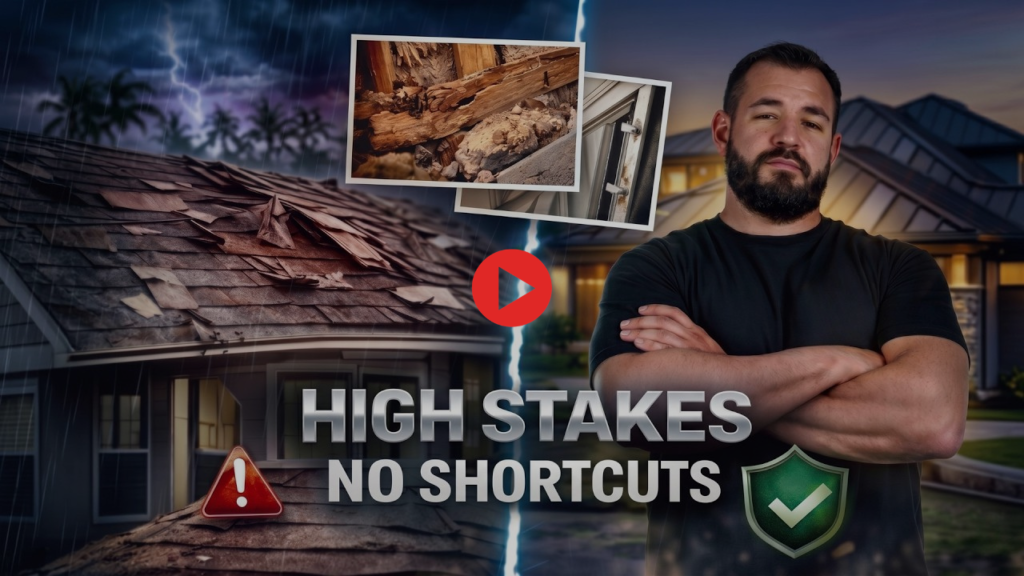
Installing impact windows is one of the smartest upgrades you can make to protect your South Florida home from hurricanes, flying debris, and power‑draining drafts. To get all the benefits—safety, energy savings, and peace of mind—the installation has to follow Florida Building Code standards and manufacturer specifications from start to finish.
What Makes Impact Windows Hurricane‑Proof?
Impact windows are built with laminated glass, heavy‑duty frames, and specialized hardware designed to stay intact even when struck by wind‑borne debris. Instead of shattering into your home, the glass is engineered to crack in place and remain bonded to an inner layer, keeping the envelope of your home sealed during a storm.
When installed correctly, impact windows also improve energy efficiency, reduce outside noise, and can help you qualify for insurance discounts in hurricane‑prone areas like Miami‑Dade, Broward, and Palm Beach. That combination of protection and performance is why so many Florida homeowners are replacing shutters and standard glass with hurricane‑rated systems.
Step 1: Permits and Florida Building Code Compliance
Every professional impact window project in South Florida starts with permitting and code review. Local building departments require approved plans, product approvals, and engineering to verify that your new windows meet hurricane design pressures for your specific location and home.
Bigfoot Windows & Roofing uses Florida Product Approved impact windows and doors and handles the entire permitting process for you, so your project stays compliant with the latest Florida Building Code. Once permits are issued, your custom‑sized windows move into manufacturing and scheduling.
Step 2: Professional Installation Day – What to Expect
On installation day, a licensed crew arrives with your approved products, tools, and documentation to perform the work safely and cleanly. The team starts by protecting flooring and nearby furniture, setting up a clear workspace around each opening, and confirming product sizes against your plans.
Existing windows are carefully removed, and the rough openings are inspected for damage, water intrusion, or structural issues that need repair before new impact units are anchored in place. The new impact windows are then set, leveled, and secured using fasteners, spacing, and patterns that match the manufacturer’s Florida approval and local code requirements.
Step 3: Sealing, Weatherproofing, and Finish Work
Once each impact window is anchored, the crew focuses on sealing and weatherproofing. Structural sealants, foam insulation, and compression weatherstripping are applied to create a tight, water‑resistant barrier around the frame.
Proper sealing is what keeps wind‑driven rain out during 8–12 hours of hurricane exposure and also helps cut drafts and noise in everyday conditions. After the exterior and interior finishes are completed—such as stucco touch‑ups, trim, or caulking—the area is cleaned so your home looks ready to use, not like a construction site.
Step 4: Inspections and Final Walkthrough
After installation, your city or county building inspector visits the property to confirm that the work matches the approved permit and Florida Building Code requirements. They check anchoring patterns, product labels, and sealing details to make sure everything meets hurricane standards.
Bigfoot then completes a final walkthrough with you, showing how to operate, lock, and maintain your new impact windows, and reviewing any warranty or documentation for your records. This is also when you can ask questions about cleaning, long‑term care, and how to use your new windows before, during, and after storm season.
DIY Prep Homeowners Can Do Before Installation
There are a few simple steps you can handle yourself to make installation smoother and faster. Clearing furniture away from windows, taking down blinds or curtains, and securing pets gives installers room to work safely and protects your belongings from dust.
You can also mark special areas that need extra care—like alarm sensors, built‑in cabinetry, or landscaping outside certain openings—so the crew can plan around them. Staying ahead of these small details helps keep your project on schedule and reduces disruption in your home.
Why Choose Bigfoot for Hurricane‑Proof Installation?
Bigfoot Windows & Roofing is a licensed Florida contractor specializing in impact windows, impact doors, and roofing for Miami and the broader South Florida region. The team uses Florida Product Approved systems, in‑house trained installers, and code‑compliant methods tailored to local hurricane conditions.
From permit handling and product selection to final inspection and walkthrough, Bigfoot’s goal is simple: install impact windows that perform when it matters most—during Florida’s worst storms—and deliver everyday comfort, efficiency, and security the rest of the year. When you are ready to hurricane‑proof your home with impact windows, Bigfoot makes the process clear, compliant, and worry‑free.