
Florida Roofing Process: Your Complete South Florida Timeline
A roofing project in South Florida follows five defined phases — from the first inspection to final permit closeout. The total time from contract signing to closed permit typically runs 4 to 8 weeks, though county permit timelines vary considerably between Miami-Dade, Broward, and Palm Beach. This guide walks you through every phase so you know exactly what to expect, when to expect it, and how to tell a well-run project from a poorly managed one.
Timeline at a Glance
- Phase 1 — Inspection & Assessment: 1–2 days
- Phase 2 — Permit Preparation & County Review: 1–3 weeks (varies by county)
- Phase 3 — Tear-Off, Installation & Material Placement: 3–7 days
- Phase 4 — Final Inspection & Punch List: 1–3 days
- Phase 5 — Permit Closeout: 1–5 business days
Questions about your roofing timeline? Get a free roofing estimate or call 786-886-2088.
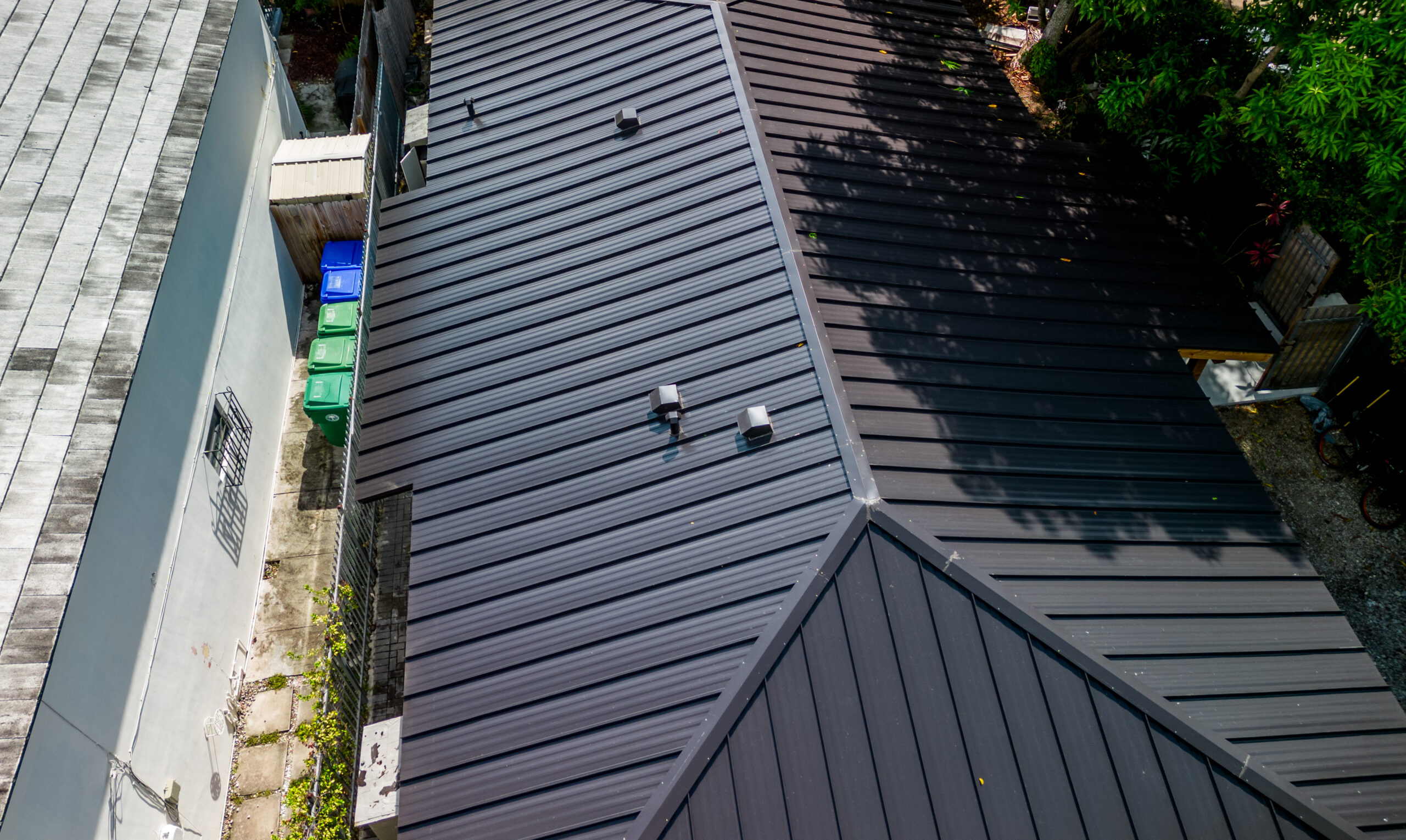
The South Florida Roofing Process: Phase by Phase
Every legitimate roofing project in Florida follows a code-mandated sequence. Understanding each phase helps you hold your contractor accountable and recognize when a delay is normal versus a warning sign.
Phase 1: Initial Inspection & Assessment (1–2 Days)
Before any paperwork is filed, a qualified roofing inspector evaluates your existing roof from both the ground and the attic. This assessment covers:
- Current roof age and overall condition
- Decking integrity — rotted or damaged OSB and plywood must be identified before permitting
- Fascia and soffit condition
- Existing flashing at chimneys, skylights, and roof-to-wall transitions
- Ventilation adequacy
At Bigfoot, we document everything with photos before signing a contract. This baseline protects you: if hidden decking damage is discovered during tear-off, you see the photographic evidence rather than taking a contractor’s word for it. The assessment typically takes a single visit and produces a written scope of work.
Phase 2: Permit Preparation & County Review (1–3 Weeks)
This is the phase that surprises most South Florida homeowners who expect construction to start quickly. Roofing in Florida — especially in Miami-Dade, which sits in a High Velocity Hurricane Zone (HVHZ) — requires signed and sealed engineering drawings or NOA (Notice of Acceptance) documentation before any permit is issued.
Permit preparation includes:
- Completing the permit application with the county building department
- Submitting product NOA documents for all materials (shingles, underlayment, fasteners)
- Providing active contractor license numbers and certificates of insurance
- Paying permit fees (typically $150–$500 depending on project value and county)
The county then reviews the submission for code compliance. In Miami-Dade, HVHZ requirements make this review more thorough. Expect 5–15 business days from submission to permit issuance under normal conditions. Backlogs after major storm events can extend timelines significantly.
Phase 3: Tear-Off, Installation & Material Placement (3–7 Days)
Once the permit is in hand and materials are staged, the crew begins. A standard residential reroof in South Florida moves through these steps:
- Tear-off — Removal of existing shingles, tile, or metal panels down to the decking
- Decking inspection and repair — Any rotted, soft, or structurally compromised decking is replaced before new material goes on
- Underlayment installation — Florida’s 8th Edition Building Code requires a two-layer underlayment system for most roofing materials in HVHZ areas
- Drip edge and flashing — Installed per manufacturer NOA requirements and Florida Building Code specifications
- Primary roofing material — Shingles, metal panels, or tile installed and fastened to the appropriate nail pattern
- Ventilation and ridge cap — Final detailing at ridges, hips, and exhaust points
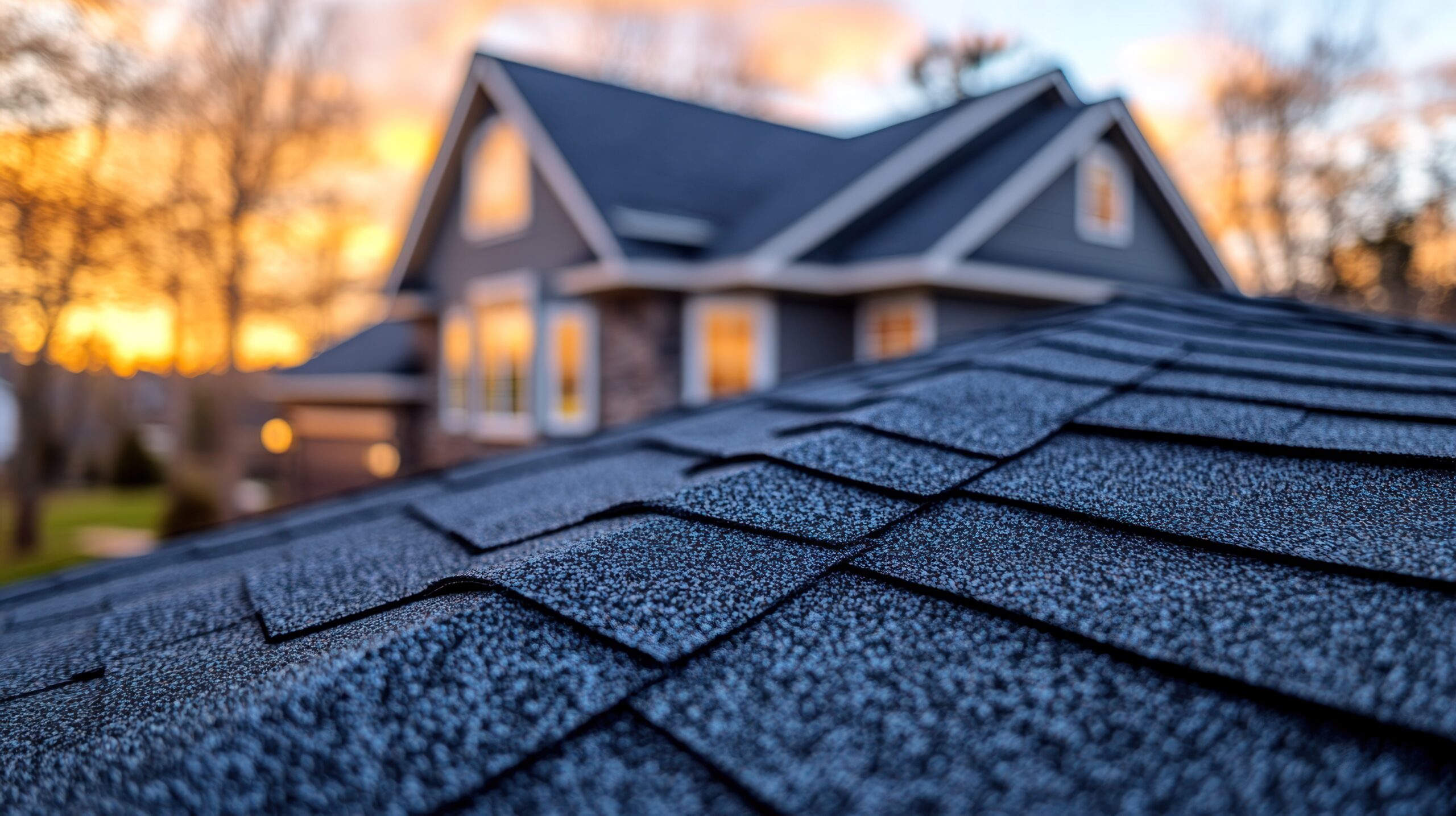
For most residential projects, installation takes 3–5 days for standard asphalt shingle roofs and up to 7 days for metal or tile systems. Larger homes or complex roof geometries add time.
Phase 4: Final Inspection & Punch List (1–3 Days)
After installation is complete, the contractor schedules a final inspection with the county building department. The inspector confirms:
- Underlayment matches the permitted NOA documents
- Fastener pattern and nail placement comply with HVHZ requirements (where applicable)
- Flashing is correctly installed at all penetrations and wall transitions
- Ventilation meets code minimums
- Workmanship is consistent with the approved scope
If the inspector identifies deficiencies, the contractor must correct them before the inspection passes. Minor corrections rarely delay closeout by more than a day or two. Once the inspector signs off, the permit moves to closeout.
Phase 5: Permit Closeout (1–5 Business Days)
Permit closeout is the final official step. The county records the closed permit, creating a permanent entry in the building department’s system. This closed-permit record is what your insurance company and future buyers will look for. A roofing project without a closed permit is a liability — it can prevent you from selling your home or filing an insurance claim for roof-related damage.
Bigfoot files for permit closeout as soon as the final inspection passes. You receive a copy of the closed permit for your records.
County-by-County Permit Timelines
Permit review timelines vary significantly across the three major South Florida counties. The figures below reflect typical turnaround under normal, non-storm-event conditions.
Miami-Dade County Roofing Permits
Miami-Dade operates under the strictest standards because the entire county is designated HVHZ. A product with a current Florida Product Approval (FL number) that covers HVHZ use is legal to install in Miami-Dade and Broward. A Miami-Dade NOA is an additional certification some products also carry; it is not required for the permit. Permit review typically takes 7–15 business days. Online permit submission through the county’s digital portal has reduced turnaround times compared to walk-in submissions.
Broward County Roofing Permits
Broward County’s eastern coastal areas fall within HVHZ; western areas generally do not. Permit timelines in Broward range from 5–10 business days for straightforward residential reroofs. Several municipalities within Broward — including Pembroke Pines, Coral Springs, and Weston — operate their own building departments and may have different review timelines and fee schedules.
Palm Beach County Roofing Permits
Most of Palm Beach County sits outside HVHZ designation, though coastal communities may fall within it. Permit review typically runs 5–10 business days. The county’s online portal has made electronic submissions the standard; paper-only submissions add delay.
Florida Building Code Requirements for South Florida Roofing
The Florida Building Code 8th Edition (2023) governs all roofing work performed in the state. The following requirements have the most direct impact on South Florida projects.
Two-Layer Underlayment Requirement
For asphalt shingle roofs in HVHZ, Florida Building Code Section R905.2 requires a specific two-layer underlayment system. The base layer is typically self-adhering modified bitumen; the top layer is a mechanically attached felt or synthetic underlayment. This dual-layer system provides secondary water resistance if the primary roofing material is compromised during a hurricane.
High Velocity Hurricane Zone (HVHZ) Fastening Standards
In HVHZ areas, shingles must be fastened with 6 nails per shingle — not the 4 nails used in standard wind exposure zones. Nails must penetrate the decking to a minimum depth and must land in the correct nail hem zone on the shingle. Inspectors verify nail placement and depth during the final inspection using a pull test or direct visual inspection. This is not a formality — the difference between a 4-nail and 6-nail installation is real uplift resistance during a major hurricane.
Required Inspections and Documentation
- Tin cap inspection (before underlayment covers the nailing): Verifies deck fastening pattern and decking condition
- Underlayment inspection: Verifies proper underlayment coverage before primary material is installed
- Final inspection: Full system verification after installation is complete
Some counties require all three separate inspections; others combine them. Always ask your contractor which inspections are required for your specific project and municipality — missing a required inspection can result in a stop-work order and forced removal of completed work.
What Affects Your Roofing Timeline?
Several factors can compress or extend the phases described above.
Material Choice
Asphalt shingle reroofs are typically the fastest — material availability is high and installation is straightforward. Metal roofing takes longer due to custom fabrication requirements, panel cutting, and more complex fastening systems. Concrete or clay tile roofs have the longest installation timelines and require the strongest structural verification because of their dead load weight on the structure.
Hidden Decking Damage Discovered During Tear-Off
Decking damage discovered during tear-off adds time and cost. Rotten or soft spots must be replaced before the new roofing system goes on — no reputable contractor skips this step. If your inspection revealed soft spots or previous storm damage, budget for decking replacement to add 1–2 days to the installation phase. Ask any contractor you’re considering for their per-sheet price for decking replacement before you sign a contract — this cost should be fully transparent upfront.
Weather and Hurricane Season
South Florida’s wet season (June through September) and hurricane season (June 1 – November 30) create scheduling pressure. Extended rain events delay dry-in milestones. If a named storm threatens the area during your project, the crew will dry-in the roof as completely as possible and stop work until conditions allow a safe return. Projects that begin in mid-hurricane season carry higher scheduling risk than those starting in January through April.
Contractor Experience and Licensing
An experienced contractor with established processes at the county building department moves through the permit phase faster than one who submits incomplete packages and waits for rejection notices. Ask any contractor you’re considering how they handle permit submissions — specifically whether they submit electronically, whether they check NOA documentation before submission, and what their first-pass approval rate is.
The South Florida Roofing Payment Schedule
A standard Bigfoot roofing project follows a four-milestone payment structure aligned with project phases. This structure protects you at every step.
- 30% deposit — Due at contract signing; covers permit application fees and material order
- 30% at permit issuance and material staging — Confirms the project is moving forward on schedule
- 30% during installation — Due once the roof is substantially installed and the dry-in inspection has passed
- 10% at permit closeout — Final payment released only after the closed permit record is in hand
That final 10% retention is the most important protection you have as a homeowner. It gives you real leverage to ensure the contractor closes the permit — because they don’t collect final payment until they do. Never pay 100% before permit closeout. Contractors who demand full payment before the final inspection has passed are a significant red flag in South Florida’s roofing market.
Why Bigfoot Windows & Roofing Manages Roofing Timelines Efficiently
Bigfoot holds active roofing and general contractor licenses in Florida — a combination that matters more than most homeowners realize. A licensed General Contractor can address structural issues discovered during tear-off (rotted rafters, damaged trusses, compromised fascia systems) in-house without stopping the project to source a separate structural contractor. This single-trade coordination cuts days off the timeline when structural repairs are needed — and eliminates the coordination gaps that create disputes between specialty subcontractors.
Our permits team submits complete, properly documented packages on first submission. We know what Miami-Dade, Broward, and Palm Beach building departments require and we prepare submissions accordingly. Our track record reflects that — first-pass permit approvals are the rule, not the exception.
We keep homeowners informed at every phase transition. You receive a project update when the permit is submitted, when it’s issued, when materials arrive, when the roof reaches dry-in, when installation completes, and when the final inspection is scheduled. You’re never left guessing where your project stands.
Ready to schedule your roof replacement? Use our online roofing estimator for instant pricing, or call 786-886-2088 to speak with a project manager directly.
Frequently Asked Questions
How long does a full South Florida roof replacement take from start to finish?
From contract signing to permit closeout, most South Florida residential reroofs take 4 to 8 weeks. The permit phase — 1 to 3 weeks depending on county — is the largest single variable. Active installation typically runs 3 to 7 days. Weather events, hidden decking damage, and post-storm permit backlogs can extend timelines beyond the typical range.
Can a contractor start roofing work before the permit is issued?
No. Starting a roofing project in Florida without an active permit is a code violation that can result in a stop-work order, fines, and a requirement to tear out completed work for inspection. An unpermitted roof replacement also creates an insurance coverage problem and a title-disclosure issue if you sell the home. Always verify the permit is issued and posted before roofing materials arrive on-site.
Why does Miami-Dade take longer for roofing permit approvals than Broward or Palm Beach?
Miami-Dade County falls entirely within the High Velocity Hurricane Zone (HVHZ), which requires a more rigorous product approval and documentation review process. A product with a current Florida Product Approval (FL number) that covers HVHZ use is legal to install in Miami-Dade and Broward. A Miami-Dade NOA is an additional certification some products also carry; it is not required for the permit. This dual-approval requirement adds documentation to permit packages and additional review time. The result is a more storm-resistant final product — the extra days in the permit phase correspond to higher quality standards in the field.
What is a permit closeout and why is it important?
Permit closeout is the county’s official recording that the final inspection passed and the permitted work is complete. It creates a permanent record in the building department’s database. Without a closed permit, your roof replacement is effectively undocumented from the county’s perspective — which can prevent insurance claims, delay or kill a home sale, and create liability if the roof fails. Always hold the final 10% of payment until you receive written confirmation that the permit is closed.
What happens if decking damage is found during tear-off?
Decking damage — rotted OSB, soft plywood, or compromised roof sheathing — must be replaced before the new roofing system is installed. Your contract should include a per-sheet price for decking replacement so this cost is transparent before the project starts. A reputable contractor will photograph all replaced decking and provide you with a count before billing for it. If a contractor tells you decking damage was found but can’t show you photos, that’s a red flag for inflated costs.
Is the dry season the best time to replace a roof in South Florida?
Yes. December through April is the ideal scheduling window for South Florida roofing projects. Rain events are less frequent, hurricane season is not active, material availability is higher, and permit turnaround times at building departments are typically shortest. If you’re planning a roof replacement, starting the process in October or November — before the holiday contractor backlog — positions you well for a January or February installation.
Related Articles
Sources
- Florida Building Commission — Florida Building Code 8th Edition (2023)
- Miami-Dade County Building Department — Permit Requirements
- Broward County Building Division — Roofing Permits
- Palm Beach County Planning, Zoning & Building
- Miami-Dade County HVHZ Product Approval Database
Bigfoot Windows & Roofing — Licensed and Insured in Florida | General Contractor: CGC1531370 | Certified Residential Contractor: CRC1331693 | Certified Roofing Contractor: CCC1333168 | Certified Specialty Contractor — Glass & Glazing Specialty: SCC131153098 | Serving Miami-Dade, Broward & Palm Beach Counties