7250 SW 39th Terrace, Miami, FL 33155
Licensed & Insured · South Florida
Hurricane straps, clips and tie-down upgrades help create a continuous load path from the roof structure into the walls and foundation — one of the most important structural details in South Florida wind mitigation.
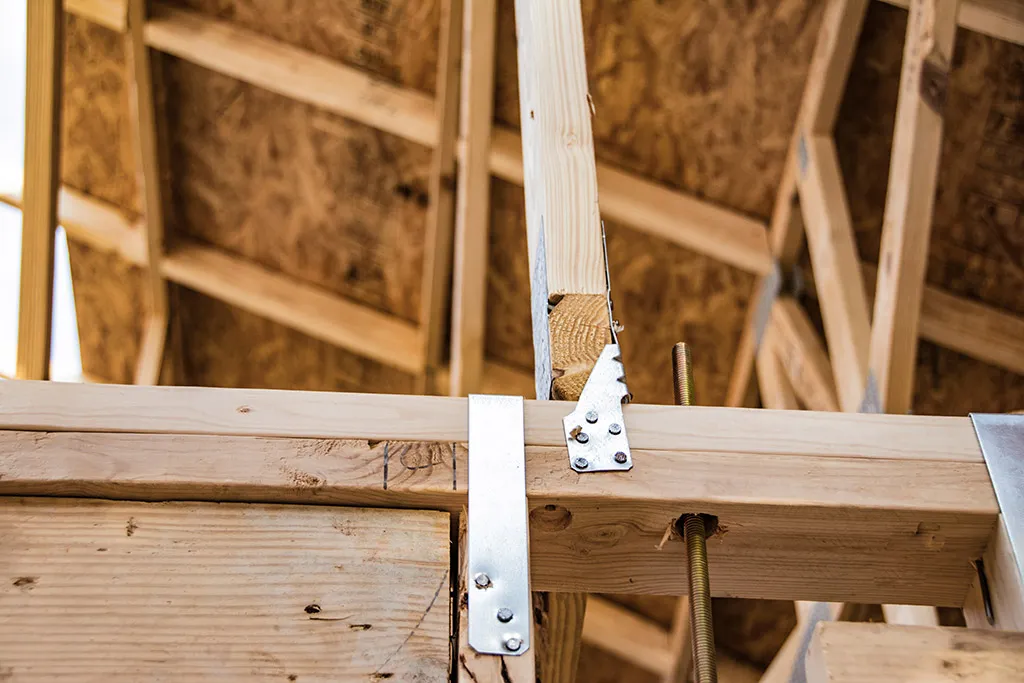
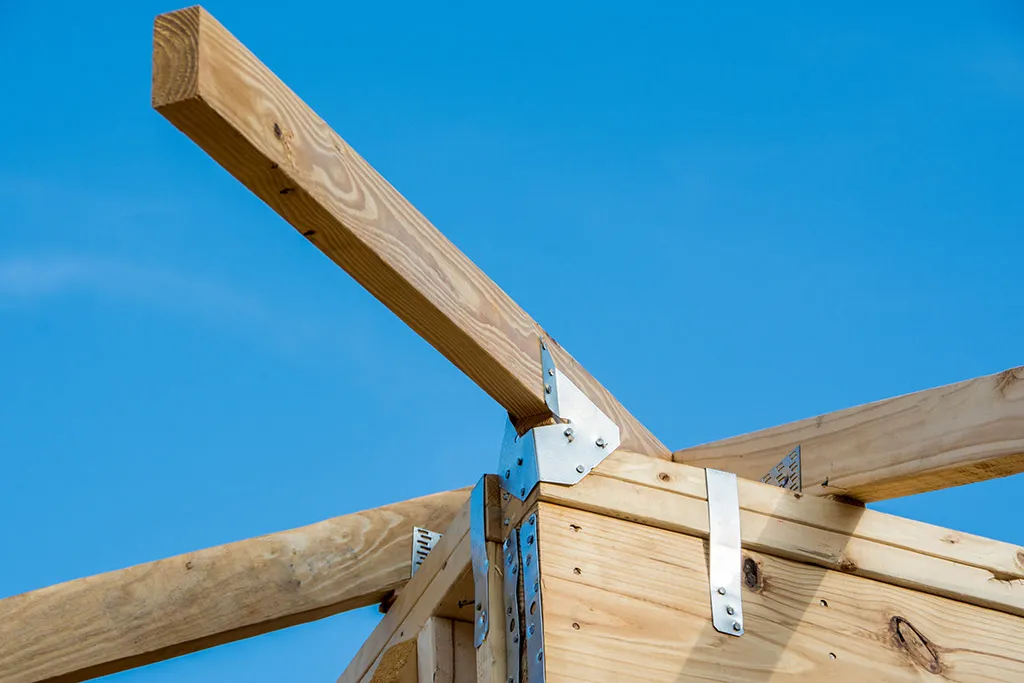

During a hurricane, wind does not only push against your home. It can create uplift forces that pull at the roof system from above.
Hurricane straps and roof-to-wall connectors help transfer that force from the trusses or rafters into the wall structure below, instead of allowing the roof system to separate under pressure.
For older South Florida homes, the question is not just whether a connector exists. The question is whether it is properly fastened, accessible, documented and strong enough for the current wind mitigation standard.
Bigfoot focus: We review the roof-to-wall connection as a structural system — not as a small hardware detail.
Roof-to-Wall Connection Details
Hurricane straps, clips, tie-downs and reinforced load-path hardware.
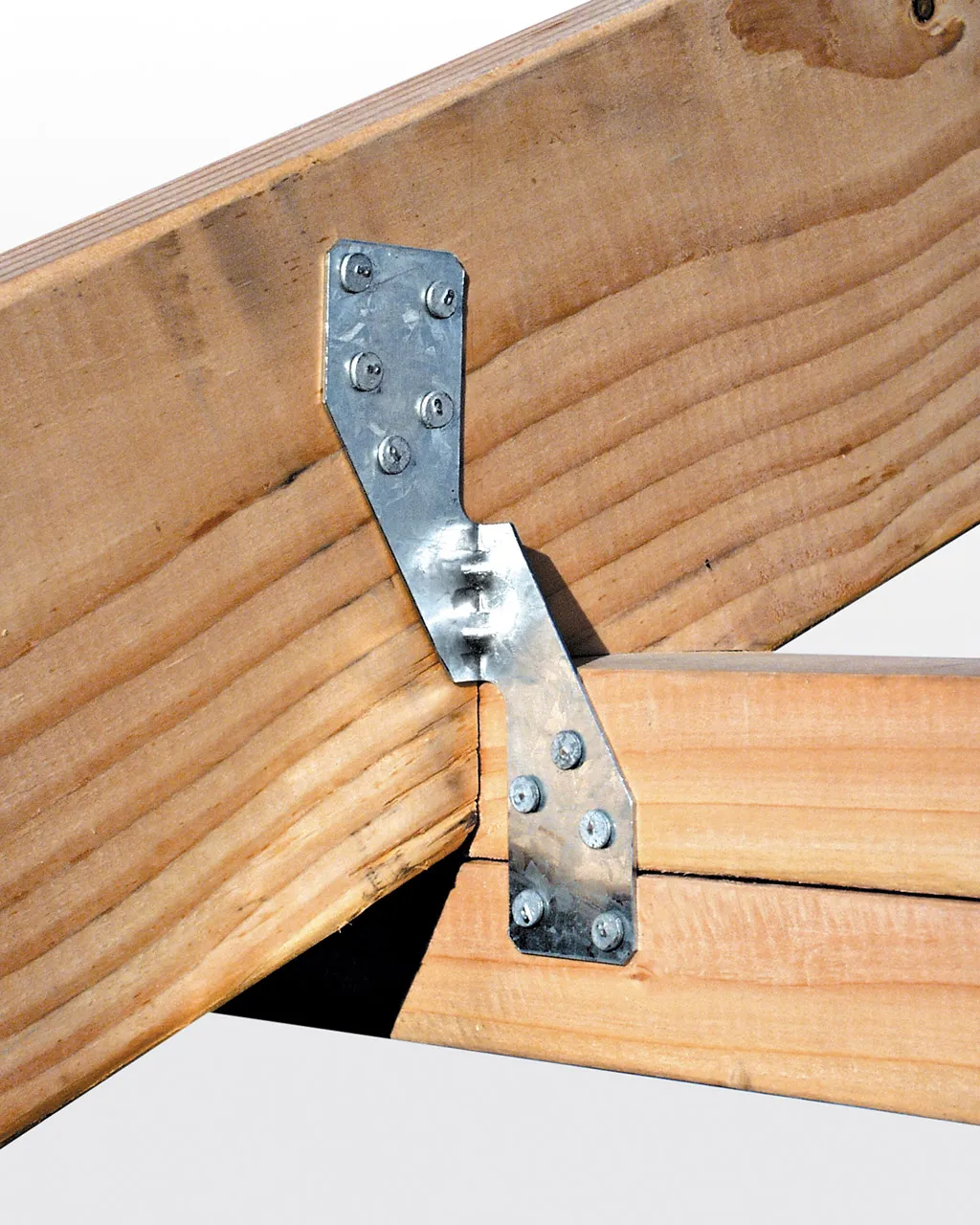
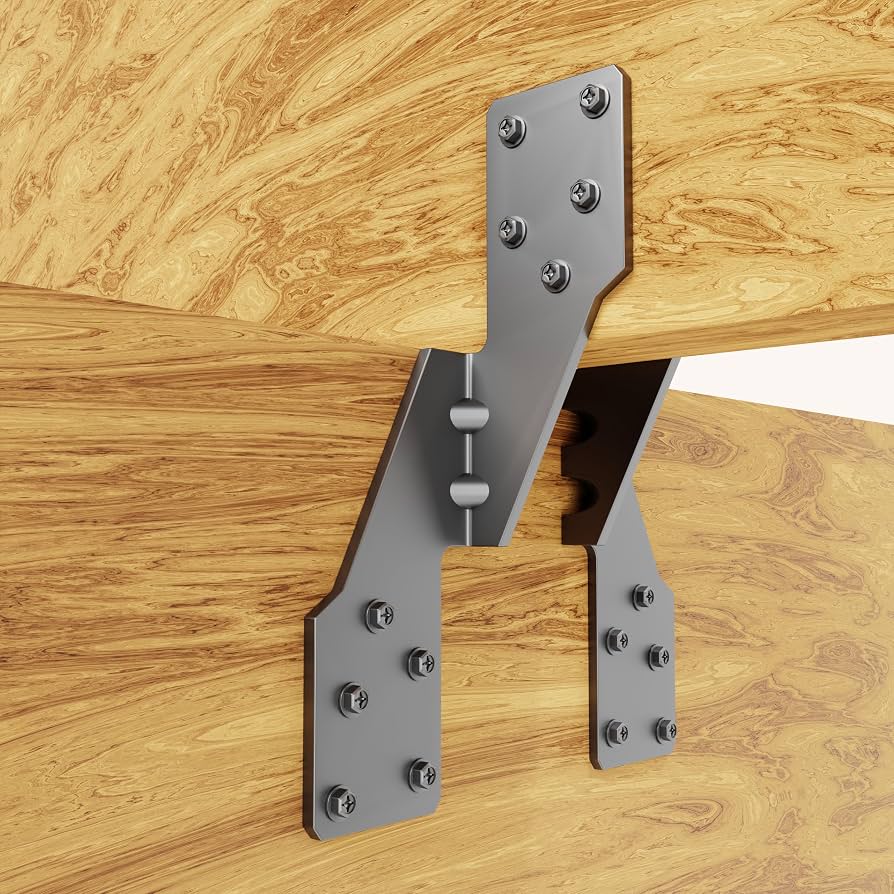
The type of connector, the number of fasteners and the way the strap wraps the truss all affect how the system performs under uplift pressure.
A direct angled nail connection without a qualifying metal connector. This is usually the weakest category for wind mitigation documentation.
Metal clips help connect the truss or rafter to the wall plate. Proper fastener count and placement are critical.
A strap wraps over the top of the truss and anchors on the opposite side, helping reduce uplift separation.
Two-sided strap support creates a stronger, more balanced roof-to-wall connection when the structure allows it.
Every home is different. Bigfoot evaluates access, roof condition, soffit design, attic clearance and project timing before recommending the right path.
When the attic allows safe access, the team can work from inside the roof cavity to reach the truss-to-wall connection.
When attic access is limited, sections of the exterior soffit can be opened to expose the perimeter roof-to-wall connection.
If the roof is being replaced, the roof deck can provide the most open access to inspect and upgrade the connection efficiently.
Explore real examples of our hurricane strap and structural reinforcement work throughout South Florida. Select any image to view the installation details up close.