
Florida’s grant program to fortify your home against hurricanes — up to $10,000 matching for roofing, impact windows, and opening protection.

Check Your Eligibility ↓

If you own a home in Miami-Dade or Broward County, you have probably heard someone mention the My Safe Florida Home program — maybe from a neighbor, a mailer, or a contractor knocking on your door. What most of those conversations leave out is what actually happens between the day you apply and the day work gets done. As a licensed roofing and general contractor operating inside the High-Velocity Hurricane Zone every day (CCC1333168, CGC1531370), Bigfoot Windows & Roofing has pulled the permits, filed the NOA documentation, and navigated the post-job inspections on real MSFH projects. This guide is the field-level version the state PDFs do not give you.

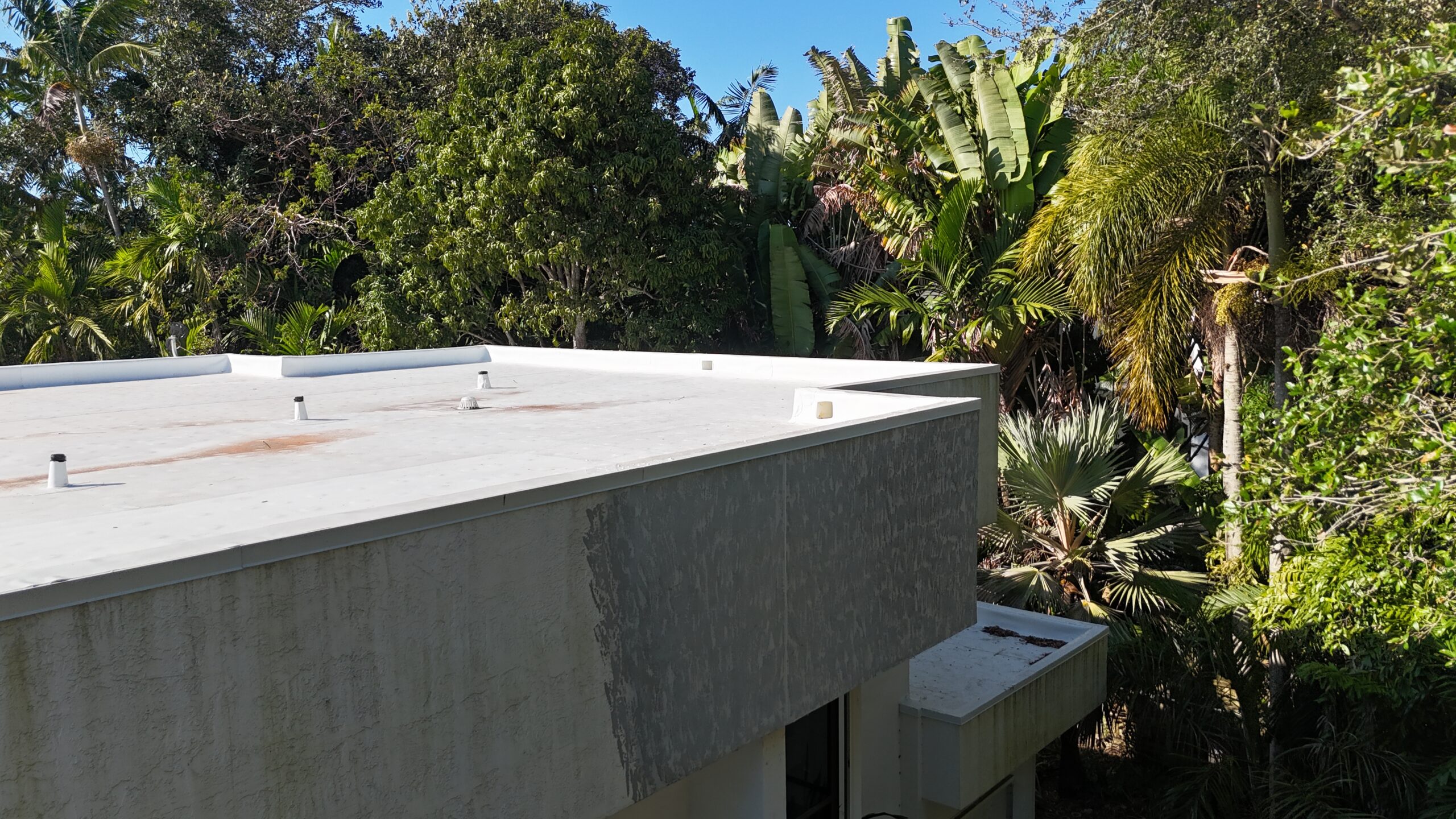
Completed roof project in Pinecrest by Bigfoot Windows and Roofing

What Is the My Safe Florida Home Program? (The Two Programs Explained)

The My Safe Florida Home (MSFH) program is a state-funded initiative administered by the Florida Department of Financial Services. Its purpose is to reduce hurricane damage by helping homeowners harden their homes against wind. There are two distinct tracks homeowners often conflate:

These two tracks interact but are not the same thing. Getting the inspection does not automatically qualify you for the grant, and applying for the grant without understanding the inspection report is one of the most common ways homeowners lose time in the process.

Who Qualifies: MSFH Eligibility Requirements

MSFH eligibility is more specific than it looks on the surface. At the time of application, your home must meet all of the following:

Income-based tiers exist. Households at or below 80% of the Area Median Income may qualify for a grant with no matching requirement. Households between 80% and 120% AMI face a reduced match. Above that threshold, the standard 2:1 match applies.

One detail contractors see trip up applicants often: if your home was built after 2002 and already meets Florida Building Code requirements for hurricane mitigation, the program may deem it ineligible for certain improvement categories because the code already mandates what the grant would otherwise fund.

How to Apply: Step-by-Step from Inspection to Grant Award

The MSFH application process runs in a defined sequence. Jumping ahead or skipping steps is a primary reason applications stall.

  1. Create an account and submit an application at the official MyFloridaCFO MSFH portal. Applications are accepted in funding rounds — when the round closes, your application is queued, not guaranteed.
  2. Receive your free wind mitigation inspection. A state-assigned inspector (not your contractor) visits the home. This is non-negotiable — you cannot substitute a private inspection you already have.
  3. Review the inspection report. The report identifies which improvements are eligible based on current construction and which code-compliant upgrades would qualify for grant reimbursement.
  4. Obtain contractor bids. You select a licensed, state-registered MSFH contractor. Bigfoot is registered in the program. Get at least two bids if the program requires it for your scope.
  5. Submit your scope and contractor information to the program. The state reviews and approves the scope before any work begins. Starting work before approval is a disqualifying error.
  6. Complete the work and pass final inspection. A second state-assigned inspector verifies the work was completed per the approved scope and meets code requirements — including HVHZ product approvals in Miami-Dade and Broward.
  7. Receive reimbursement. Grant funds are disbursed after the final inspection clears. The homeowner pays the contractor first in most structures, then is reimbursed by the state up to the grant amount.
Completed roof project in Pinecrest by Bigfoot Windows and Roofing

What the Grant Covers — and What It Does Not

Approved MSFH improvements focus on the building envelope — the surfaces through which wind and water enter. Covered categories typically include:

What the grant does not cover is equally important. Interior renovations, kitchen upgrades, HVAC replacements, drainage issues, structural repairs unrelated to wind mitigation, and cosmetic work are all outside scope. Nor does the grant cover rotted decking discovered after the job starts — more on that below.

HVHZ and Miami-Dade Product Approvals: Why Your NOA Selection Matters Before You Apply

South Florida contractors operate under a layer of code compliance that does not exist in most of the state. Miami-Dade and Broward counties fall within the High-Velocity Hurricane Zone. Every product installed in the building envelope — roof tiles, shingles, underlayments, windows, doors, shutters — must carry either a Miami-Dade Notice of Acceptance (NOA) or a Florida Product Approval (FPA) valid for HVHZ use.

This matters for the My Safe Florida Home program specifically because the state’s final inspector will verify that installed products match the NOA documentation submitted with the scope. If your contractor substituted a product mid-job — even a comparable product — and the new product’s NOA was not updated in the approved scope, the final inspection can fail. That failure holds up your grant reimbursement and may require additional work to correct.

Bigfoot selects products before submitting scope documentation, not after. We pull the current NOA, confirm HVHZ applicability, and document design pressure ratings before a bid goes to the homeowner. This is standard practice on licensed HVHZ work under CRC1331693 and SCC131153098 — but it is not universal across every contractor participating in the program.

Ask any contractor quoting your MSFH job: “Which specific NOA are you submitting with this scope?” If they cannot answer immediately, that is a gap to address before you sign anything.

One additional compliance layer specific to South Florida roofing: HVHZ requires products to meet the Miami-Dade 25-7 wind speed standard referenced in NOA documentation. This applies across all roof system types — shingle, tile, and flat-roof membranes including TPO and modified bitumen. Flat and low-slope roofs are common on Miami-Dade residential and commercial properties, and their NOA requirements, flashing details, and drip edge specifications differ from sloped systems. A contractor submitting scope on a flat-roof MSFH project who cannot identify the membrane’s Miami-Dade NOA and confirm its 25-7 compliance is a contractor to question before proceeding.

Common Misconceptions Homeowners Bring to the First Call

After working through multiple MSFH projects in South Florida, a few misconceptions surface on nearly every first call:

“The grant pays for my whole roof.” The hurricane mitigation grant covers wind-hardening improvements. A full roof replacement may be part of the approved scope if the existing roof system cannot accept hardening upgrades, but it is not automatic. The state funds mitigation — not replacement for age or cosmetic wear.

“I already had a wind mitigation inspection done for my insurance — I can use that.” An insurance wind mitigation inspection and the MSFH program inspection are two different documents with different requirements. The state will schedule its own inspector regardless of what you already have on file.

“My contractor can start while the application is pending.” No. Any work performed before receiving written state approval of the scope is ineligible for reimbursement. Full stop.

“The free inspection means free repairs.” The inspection identifies what could qualify — it does not authorize work or guarantee funding. Program funding is capped and disbursed by round. Applications in later rounds may be waitlisted or unfunded if the round closes before your turn.

Pitfalls That Get Grants Denied or Clawed Back

Denial and clawback are two different problems. Denial happens before work begins; clawback happens after you have already paid for the job. Clawback is worse.

Common reasons grants get denied during review: incomplete documentation, contractor not registered in the MSFH system, scope items that do not align with the inspection report’s findings, or an assessed value that exceeds the program cap.

Common reasons for post-completion clawback or non-payment: product NOA does not match submitted documentation, work was started before scope approval, final inspection reveals an installation deficiency that the contractor did not correct before requesting the inspection, or the homeowner’s insurance lapsed during the project period.

A less obvious pitfall: scope creep that was never re-approved. If the homeowner and contractor agree to add work after the state approved the original scope — even small additions — and that expanded scope was not resubmitted and approved, the additional work falls outside the grant. The state pays only what it approved.

Scope Creep, Rotted Decking, and Mid-Job Surprises: How Contractors Handle Them

This is the conversation most blog posts skip entirely. When a roofing crew tears off an existing roof covering in South Florida, they sometimes find rotted decking, deteriorated sheathing, or failed fasteners that were not visible during the initial inspection. In a standard re-roof, the contractor writes a change order and proceeds. In an MSFH job, it is more complicated.

Rotted or damaged decking discovered mid-job is not automatically covered by the grant. The approved scope covered what the inspector could see and document. Repairing rotted decking falls outside the original scope, and adding it requires a scope amendment submitted to and approved by the state — which takes time a mid-job crew does not have while an open roof waits.

The practical result: the homeowner typically pays for decking repairs out of pocket, separate from the grant, under a contractor change order. Experienced MSFH contractors communicate this risk up front and include a clear change-order process in the contract. If a contractor promises you that all mid-job surprises are covered under the grant, ask them to show you that in writing from the state.

Bigfoot’s standard practice is to walk the attic before finalizing scope on any MSFH roof job. We photograph accessible decking from below, note visible deterioration, and build a pre-job disclosure into the proposal so homeowners are not blindsided at tear-off.

Can You Stack MSFH With PACE Financing or Other Incentives?

This question comes up often in South Florida because PACE financing programs (Property Assessed Clean Energy) are active in Miami-Dade and Broward and cover some of the same improvement categories as MSFH.

The short answer: using the My Safe Florida Home grant and PACE on the same project is possible but requires careful sequencing. MSFH is a grant — it reimburses you for eligible work after completion. PACE is a financing product — it funds the project upfront and is repaid through a property tax assessment. Using both on the same line items is not permitted. You cannot be reimbursed twice for the same work. However, PACE can fund the non-MSFH portions of a project — such as decking repairs, cosmetic work, or improvements outside the approved grant scope — while MSFH reimburses the eligible hardening work.

The key is documentation. Every dollar of MSFH-eligible work must be clearly separated from PACE-funded work in contractor invoices and scope documents. Commingled invoices are a fast path to a grant compliance issue. Bigfoot structures dual-track projects with itemized invoices and separate scopes for the two funding streams from day one.

Florida’s home hardening tax exemption under Florida Statute 196.175 is a separate but complementary benefit. Hurricane-mitigation improvements may be exempt from property tax assessment increases for up to five years. This applies broadly — not just to MSFH projects — and is worth confirming with your county property appraiser.

How Bigfoot Navigates MSFH Jobs in South Florida

Operating under licenses CGC1531370, CCC1333168, CRC1331693, and SCC131153098, Bigfoot has built the MSFH process into its standard workflow for Miami-Dade and Broward projects. That means product selection with documented NOA validation before scope submission, attic walks before final bids on roofing scopes, separate invoice structures for any dual-funding projects, and a point of contact who tracks program correspondence so homeowners are not chasing state portals on their own.

The South Florida HVHZ adds a compliance layer that contractors from outside the zone routinely underestimate. An inspector passing a job in Sarasota is not the same standard as passing a job in Kendall or Miramar. Every product, every fastener schedule, every installation method is subject to Miami-Dade’s building department review — and the MSFH final inspector knows the difference.

If you are considering an MSFH application and want a realistic assessment of what your home qualifies for, what it will cost, and how to avoid the pitfalls above, call 786-886-2088 or fill out our contact form for a free estimate.

Frequently Asked Questions About the My Safe Florida Home Program

Does my roof have to be replaced before I can use the MSFH hardening grant?

No — but your existing roof system has to be capable of accepting the hardening improvements being funded. If your roof covering is at end of life and cannot reliably hold new hurricane straps or meet updated attachment requirements, the state may require replacement as part of the approved scope. The inspection report will identify this. In some cases, a functional existing roof can be hardened without full replacement by re-nailing decking and adding roof-to-wall connections, provided the covering itself meets current HVHZ standards.

Why did my neighbor get approved on the same street but I got denied?

Several factors are house-specific, not neighborhood-specific. Your neighbor’s home may have had a different assessed value, a different construction year, a different insurance carrier, or their wind mitigation inspection identified eligible improvements that yours did not. Post-2002 homes built to current Florida Building Code may have fewer eligible hardening categories because the code already mandates much of what the grant funds. Application round timing also matters — if your neighbor applied in an earlier, better-funded round, that alone can explain different outcomes on the same street.

My HOA prohibits metal panels — which HVHZ-approved products satisfy both HOA rules and MSFH specs?

This is a genuine constraint in South Florida’s HOA-dense communities. For roofing, concrete tile profiles that carry Miami-Dade NOAs and match HOA-approved aesthetics are typically the path forward. Low-profile tiles and certain shingle products with HOA-compliant color palettes are available with HVHZ NOAs. The key is pulling the specific HOA architectural guidelines and cross-referencing them against available NOA-listed products before submitting scope. Bigfoot does this product matching before bid — not after the state approves the scope, at which point substitutions require a time-consuming amendment.

What happens if the contractor discovers rotted decking mid-job — does the grant cover it?

In most cases, no. Decking repairs discovered after tear-off were not part of the original approved scope, and the state does not automatically expand the grant to cover them. The contractor must submit a scope amendment for state review, which takes time. Meanwhile, an open roof cannot wait. Homeowners typically pay for decking replacement out of pocket under a separate change order while the amendment is processed, or fund it through a companion PACE line if the project was structured that way. Ask your contractor what their documented process is for mid-job discoveries before you sign — this situation is not rare on older South Florida homes.

Can I use the My Safe Florida Home grant and a PACE financing product on the same project?

Yes, with proper documentation. You cannot receive MSFH reimbursement and PACE funding for the same line items — that would be double-dipping on a single improvement. But PACE can cover non-grant-eligible portions of the project — decking repairs, cosmetic upgrades, items outside the approved MSFH scope — while MSFH reimburses the eligible hardening work. Contractor invoices must clearly separate the two funding streams. Commingled documentation is a compliance risk that can delay or void the grant reimbursement. If you are considering a dual-track project, tell your contractor at the start so the scope and invoice structure are set up correctly from day one.

How long does it take from application to receiving grant funds?

The realistic timeline in South Florida ranges from three to six months for a straightforward project, and longer for projects that require scope amendments or encounter final inspection issues. The state-assigned inspection scheduling adds weeks. Scope review and approval adds more. Contractors often have scheduling queues after approval. Final inspection scheduling after job completion adds another window. Fund disbursement after a passing final inspection is typically the fastest step. Plan accordingly — if you are trying to harden before a specific hurricane season date, apply early and have your contractor ready to move quickly once the scope is approved.


Ready for a free estimate? Call 786-886-2088 or fill out our contact form and a Bigfoot estimator will walk you through your home’s MSFH eligibility and what a realistic scope looks like for your specific construction.

Updated June 2026