
Are Impact Windows Tax Deductible? | Bigfoot Windows & Roofing
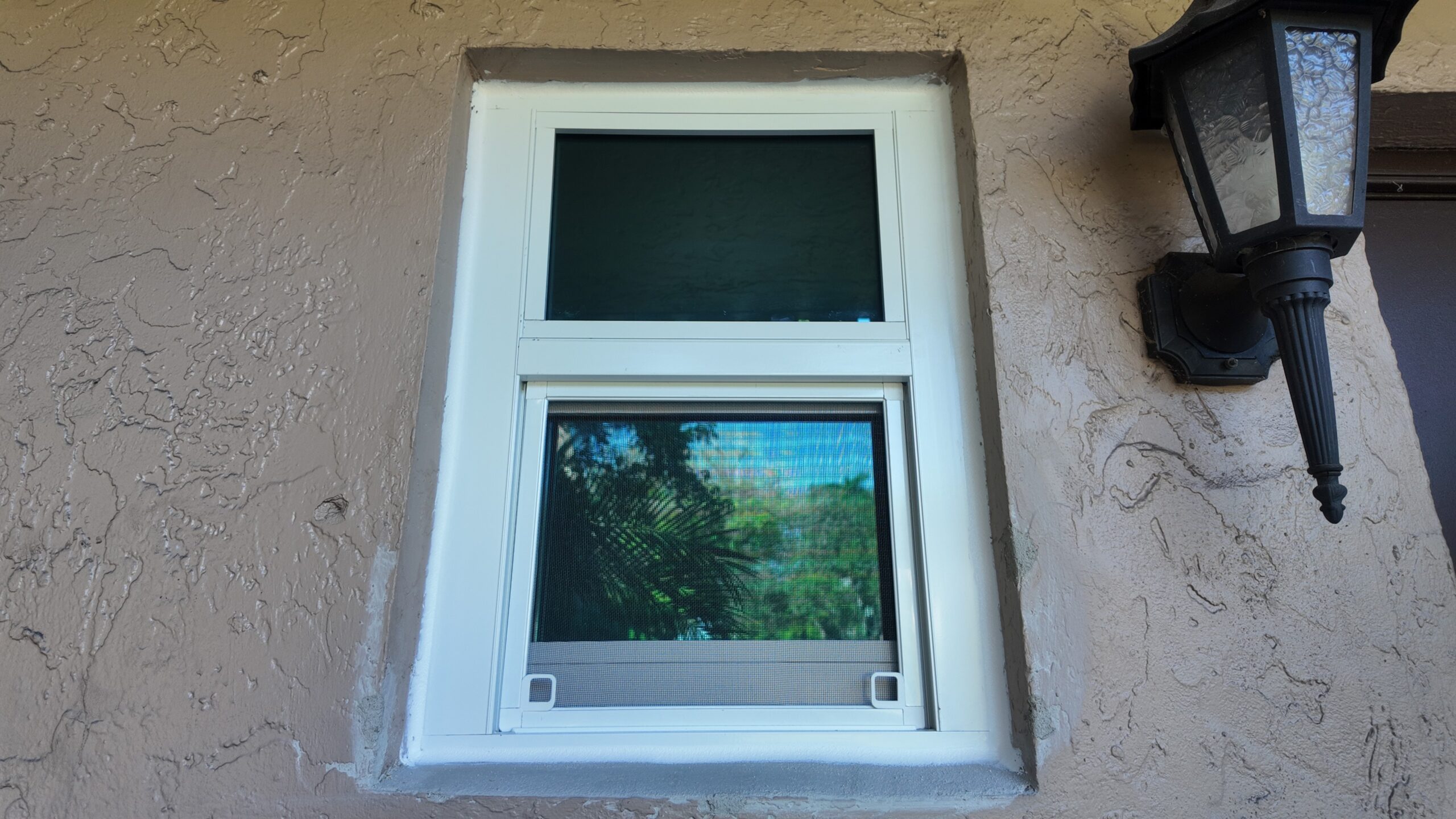

Impact windows are not directly tax deductible as a home improvement. However, if your impact windows meet specific ENERGY STAR and U-factor/SHGC thresholds for Florida’s climate zone, you may claim a federal energy-efficiency tax credit under the Inflation Reduction Act — up to 30% of the cost, capped at $600 for windows. That credit is not the same as a deduction.
Updated July 2026
Key Takeaways
- Impact windows are not tax deductible — but a federal energy credit (up to $600/yr for windows) may apply if they meet ENERGY STAR climate-zone requirements.
- Florida homeowners in Miami-Dade and Broward (HVHZ) must confirm their windows carry both Florida Product Approval and ENERGY STAR certification to qualify.
- The Inflation Reduction Act (IRA) extended this 30% credit through 2032 — file IRS Form 5695 to claim it.
- Florida windstorm insurance discounts from a wind mitigation inspection are separate from and unrelated to any IRS tax credit.
- Documentation matters: keep your manufacturer’s energy certification statement, product approval number, and paid invoice before filing.
The Confusion
Why Homeowners Get This Wrong
Tax deduction vs. tax credit vs. insurance discount — these are three completely different things.
Every year, South Florida homeowners invest in impact windows and then ask their accountant: “Can I write this off?” The answer depends on which benefit you’re asking about — and most homeowners are conflating three different financial incentives that work very differently.
- Tax deduction: Reduces your taxable income. Impact windows do not qualify as a deductible business expense for a primary residence.
- Tax credit: Reduces your actual tax bill dollar-for-dollar. Some impact windows do qualify — but only if they meet energy-efficiency thresholds.
- Insurance discount: A reduction in your annual windstorm or homeowners premium based on a Florida wind mitigation inspection. This is entirely separate from the IRS and has nothing to do with energy ratings.
Understanding which benefit applies to your project — and what documentation you need — is what this article covers.
South Florida Context
HVHZ, Florida Product Approval, and Why Miami-Dade Is Different
Miami-Dade and Broward counties sit inside the High-Velocity Hurricane Zone (HVHZ) — the strictest residential building code jurisdiction in the United States. A product with a current Florida Product Approval (FL number) that covers HVHZ use is legal to install in Miami-Dade and Broward. A Miami-Dade NOA is an additional certification some products also carry; it is not required for the permit.
Here is the critical nuance for tax purposes: structural compliance (NOA/Florida Product Approval) and energy-efficiency certification (ENERGY STAR) are evaluated on separate tracks. A window can hold a Miami-Dade NOA and still not qualify for the federal energy credit if its U-factor or Solar Heat Gain Coefficient (SHGC) does not meet the IRS threshold for Florida’s climate zones (1A and 2A).
Florida climate zones 1A (southern tip) and 2A (central/north Miami-Dade, Broward) have specific ENERGY STAR requirements. For the federal energy credit, the IRS follows ENERGY STAR’s Most Efficient program criteria — generally a U-factor of 0.30 or lower and an SHGC of 0.25 or lower for these warm climates. Verify the current thresholds on energystar.gov before purchasing — these values can change between program years. Always verify the specific product’s ENERGY STAR label, not just its hurricane rating.
Federal Tax Credit Explained
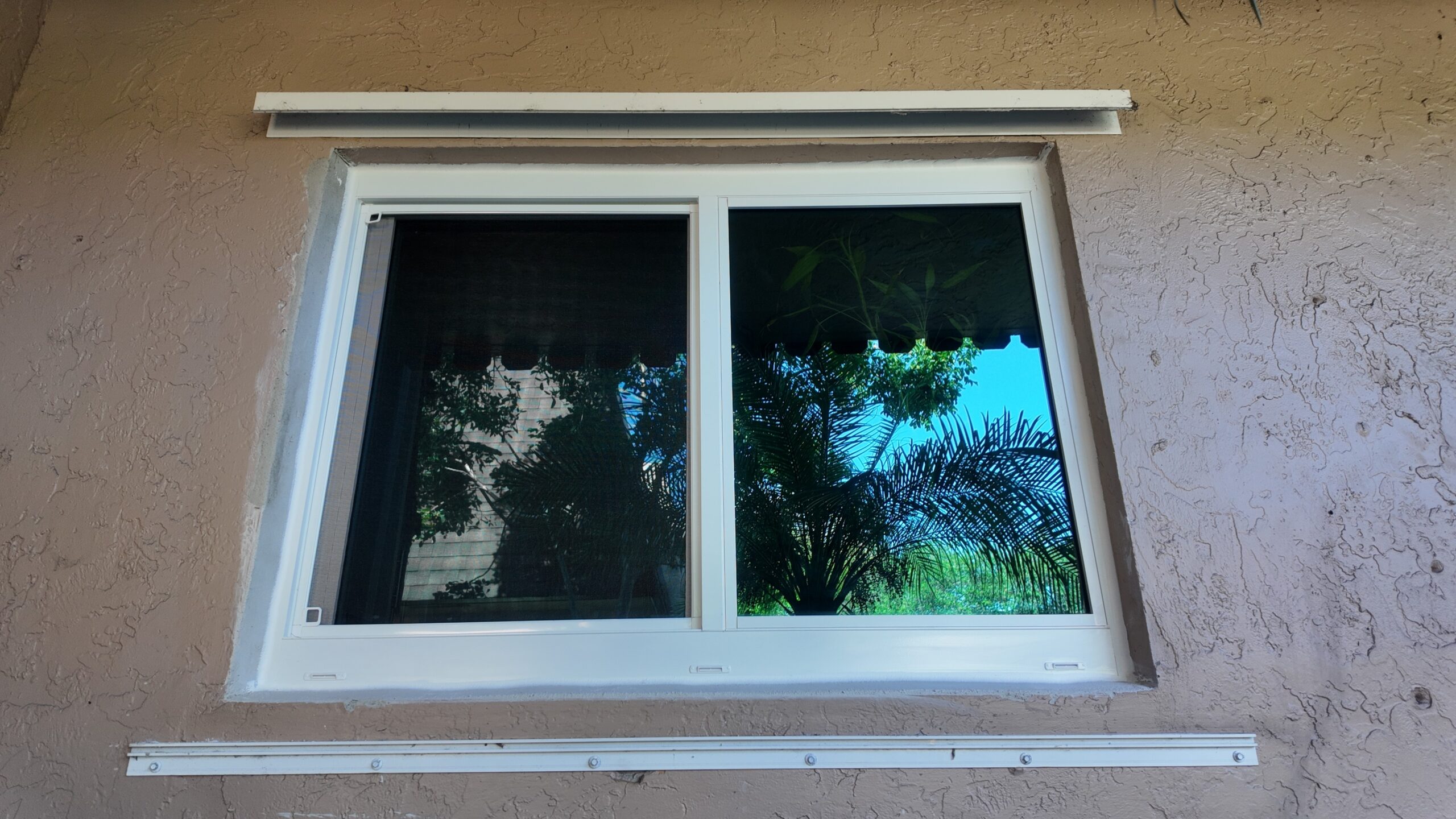
IRS Form 5695 and the Inflation Reduction Act — What Actually Qualifies
The Inflation Reduction Act (IRA) expanded and extended the Residential Clean Energy Credit and the Energy Efficient Home Improvement Credit through 2032. For impact windows, the relevant provision is the Energy Efficient Home Improvement Credit (Section 25C).
| Detail | How It Works |
|---|---|
| Credit rate | 30% of the cost of qualifying windows |
| Annual cap — windows | $600 per year |
| Annual cap — doors | $250 per door, $500 total for doors |
| Combined annual limit | $1,200 total for windows + doors + insulation + energy audits combined |
| Qualifying property | Primary residence only (not rental or investment property) |
| IRS form to file | Form 5695, Part II |
| Credit type | Non-refundable (reduces tax owed; no refund if credit exceeds liability) |
| Expiration | December 31, 2032 (per current law) |
To qualify, your impact windows must meet the ENERGY STAR requirements applicable to your climate zone. For South Florida homeowners, that means verifying the manufacturer’s certification statement — a separate document from the product approval or NOA — which must confirm the window meets the U-factor and SHGC thresholds set by the IRS for your climate region.
Important: The credit applies to the cost of the windows themselves. Labor and installation costs do not qualify for the window credit under current IRS guidance (though labor may qualify for certain other improvements — consult your CPA).
For homeowners using financing options like PACE to spread the cost, the same rule applies: only the window cost (not interest or fees) would factor into the credit calculation. For qualifying property owners, there may be tax benefits available — please consult your CPA.
Side-by-Side Comparison
Federal Tax Credit vs. Florida Windstorm Insurance Discount
These two benefits are frequently confused. Here is how they differ:
| Factor | Federal Energy Tax Credit (IRS) | FL Windstorm Insurance Discount |
|---|---|---|
| Governing body | IRS / U.S. Treasury | Florida OIR / your insurer |
| Triggered by | ENERGY STAR energy efficiency rating | Wind mitigation inspection report |
| Applied to | Federal income tax bill (Form 5695) | Annual insurance premium |
| Requires | ENERGY STAR cert + U-factor/SHGC docs | OIR form, NOA/Florida Product Approval |
| Property type | Primary residence only | Primary or investment property |
| Rental/investment | Not eligible for 25C credit | Often eligible for premium reduction |
| Recurring? | Annual credit (up to 2032) | Annual premium reduction ongoing |
For most South Florida homeowners, the windstorm insurance discount tends to deliver more total dollar value over time — because it recurs every year and is not capped at $600. The federal credit is a one-time-per-year benefit capped at $600 for windows. Both are worth pursuing; they are not mutually exclusive.
Why It Matters Who Installs
License Authority Protects Your Documentation
A licensed contractor, not a lead aggregator — your credit paperwork is only as strong as the product certification behind it.
“When a homeowner asks me about the tax credit, the first question I ask is: does your window have the ENERGY STAR certification statement — not just the NOA? Those are two different documents, and your accountant needs the right one.”
President, Bigfoot Windows & Roofing
Because Bigfoot holds a Certified General Contractor license (CGC1531370) in addition to the Glass & Glazing Specialty license, projects that involve structural modifications — such as widening an opening to accommodate a larger impact window or adding hurricane straps during a combined roof-and-window replacement — can be handled under one contractor relationship. This means the permit documentation, product approvals, and energy certification paperwork all flow through a single accountable source, rather than being split across multiple subcontractors.
What We Install
Impact Windows That Can Support Energy Credit Documentation
Bigfoot installs aluminum impact windows, primarily through the Mr. Glass line. Aluminum frames are our recommendation for South Florida — they are more time-tested in HVHZ heat, salt air, humidity, and hurricane conditions than vinyl frames.
The Mr. Glass product line carries Florida Product Approval across all series. For homeowners pursuing the federal energy credit, the critical step is confirming that the specific series and glass package selected meets the ENERGY STAR thresholds for Florida’s climate zones 1A and 2A. Our Low-E SB 70 glass package — our primary recommendation for South Florida — is optimized for solar heat rejection per manufacturer specifications; confirm the specific unit’s U-factor and SHGC with your sales representative before relying on it for the IRS energy credit. Always verify the manufacturer’s current ENERGY STAR certification statement for the exact unit you are purchasing before filing Form 5695.
Learn more about our impact window installation services and impact door options for South Florida homes.
Documentation Checklist
What You Need to Claim the Credit
Before filing IRS Form 5695, gather these documents:
- Manufacturer’s Energy Certification Statement — A written certification from the window manufacturer confirming the product meets the applicable ENERGY STAR requirements. This is NOT the same as the NOA or Florida Product Approval document.
- ENERGY STAR label or certificate — Confirms the product is ENERGY STAR certified for the applicable climate zone.
- Paid invoice — Shows the window cost (separated from installation labor).
- Product Approval or NOA number — Confirms HVHZ compliance for your permit records (separate from IRS purposes, but useful for your full project file).
- IRS Form 5695 — File with your federal return for the tax year the windows were installed. The credit applies to the year of installation, not purchase.
Your contractor should also provide the product approval number and permit documentation — keep those in the same file alongside the documents above.
Consult a licensed CPA for guidance specific to your tax situation. For qualifying property owners, there may be additional tax benefits available — your CPA is the right person to evaluate your full picture.
Ready to explore impact windows for your South Florida home?
Related Articles


Who We’re Not the Right Fit For
- Rental or investment property owners seeking the Section 25C credit: The federal energy credit applies to primary residences only. If you own a rental property in Miami-Dade, the credit does not apply — though the windstorm insurance discount from impact windows may still reduce your premium. We install windows on rental properties, but we cannot help you pursue the IRS energy credit for them.
- Homeowners who need a tax attorney or CPA: We can provide manufacturer certification documentation and product approval paperwork. We cannot give tax advice. If your situation involves multiple properties, business use of your home, or complex deduction questions, please consult a licensed CPA before filing.
- Buyers expecting a large tax refund from impact windows: The Section 25C credit is non-refundable and capped at $600 for windows annually. If your tax liability is already zero, you will not receive a check from the IRS. Manage expectations accordingly.
- Projects requiring only a permit pull or inspection sign-off from a GC: We handle full-scope installations. If you only need a permit pulled for work someone else is doing, that is not our model.
Common Questions
Frequently Asked Questions
Can I claim a federal tax credit for impact windows installed on my Miami-Dade home?
Yes — if your impact windows meet ENERGY STAR requirements for Florida’s climate zone (1A or 2A) and are installed in your primary residence. The credit is 30% of the window cost, capped at $600 per year, and filed on IRS Form 5695. Having a Miami-Dade NOA or Florida Product Approval is required for permitting but does not itself qualify the window for the energy credit. You need a separate manufacturer’s ENERGY STAR certification statement.
What IRS form do I need to claim an energy credit for impact windows in Florida?
File IRS Form 5695, Part II — the Residential Energy Credits form. You do not attach the manufacturer’s certification statement to your return, but you must keep it in your records in case the IRS requests it. The credit applies to the tax year in which the windows were installed. Consult a licensed CPA to confirm your specific eligibility before filing.
Do impact windows qualify for the Inflation Reduction Act energy efficient home improvement credit?
They can — but only if they are ENERGY STAR certified for your climate zone. The Inflation Reduction Act extended the Section 25C credit at 30% through 2032. For South Florida homeowners in climate zones 1A and 2A, that generally means a U-factor of 0.30 or lower and SHGC of 0.25 or lower. Verify the current thresholds on energystar.gov before purchasing — these values can change between program years. Not all impact windows meet these thresholds — verify before purchasing if the credit is a priority for you.
Are hurricane impact windows tax deductible as a home improvement in Florida?
No — impact windows are not tax deductible as a home improvement on your primary residence. A deduction reduces taxable income; a credit reduces your tax bill directly. Impact windows may qualify for a tax credit (not a deduction) under IRS Section 25C if they meet ENERGY STAR requirements. Do not confuse the two terms — your accountant can clarify the difference for your specific situation.
What is the difference between a Florida windstorm insurance discount and a federal tax credit for impact windows?
They are completely separate benefits. The Florida windstorm insurance discount comes from a wind mitigation inspection — it reduces your annual homeowners or windstorm premium based on your impact-rated windows and their NOA or Florida Product Approval number. The federal tax credit comes from the IRS and is based on energy efficiency (ENERGY STAR ratings), not hurricane resistance. You can qualify for both, but the paperwork and criteria are entirely different.
Do impact windows on a rental property qualify for the federal energy credit?
No. The Section 25C Energy Efficient Home Improvement Credit applies only to your primary residence. If you install impact windows in a rental or investment property in South Florida, you cannot claim the federal energy credit. You may, however, still benefit from a windstorm insurance premium reduction after a wind mitigation inspection.
What documentation do I need to keep to claim the impact window energy credit?
Keep three documents: (1) the manufacturer’s energy certification statement confirming ENERGY STAR compliance for your climate zone, (2) your paid invoice showing the window cost separately from labor, and (3) the product’s ENERGY STAR label or certificate. You do not attach these to your return, but retain them in case of an IRS inquiry.

Ready to get started? Get a free, no-pressure estimate from a licensed South Florida contractor.