
.bf-page{max-width:1100px;width:min(1100px,92vw);margin:0 auto;font-family:-apple-system,Segoe UI,Roboto,Arial,sans-serif;line-height:1.7;color:#1a1a1a}.bf-page .bf-title{font-size:clamp(30px,4vw,46px);line-height:1.15;font-weight:850;margin:0 0 .5rem;color:#111}.bf-page .bf-byline{font-size:.95rem;color:rgba(0,0,0,.6);margin:0 0 1.5rem}.bf-page .bf-eyebrow{font-size:11px;letter-spacing:2px;text-transform:uppercase;font-weight:800;color:#8a7a61;margin:2rem 0 .25rem}.bf-page h2{font-size:clamp(26px,3vw,38px);font-weight:800;color:#111;margin:.25rem 0 .5rem}.bf-page .bf-sub{font-size:1rem;color:rgba(0,0,0,.7);margin:0 0 1rem}.bf-page .bf-section{margin:2.5rem 0}.bf-page .bf-hero-img,.bf-page .bf-body-img{width:100%;max-height:520px;border-radius:18px;object-fit:cover;display:block;margin:1rem 0}.bf-page .bf-summary-box{background:#f9f6f2;border-left:4px solid #f6b233;padding:1rem 1.25rem;margin:1.5rem 0;border-radius:8px}.bf-page .bf-cta-band{background:#111;color:#fff;text-align:center;padding:2rem 1.25rem;margin:2.5rem 0;border-radius:24px;box-shadow:0 22px 55px rgba(0,0,0,.22)}.bf-page .bf-cta-band p{color:#fff;margin:0 0 1rem}.bf-page .bf-cta-final{background:#f5efe6;color:#111}.bf-page .bf-cta-final p{color:#111}.bf-page .bf-cta-btn{display:inline-block;background:#f6b233;color:#111;font-weight:800;text-decoration:none;padding:.85rem 1.6rem;border-radius:999px;box-shadow:0 14px 30px rgba(246,178,51,.28)}.bf-page .bf-table-wrap{background:#f9f6f2;border-radius:18px;padding:1rem;margin:1.5rem 0;overflow-x:auto}.bf-page .bf-table{width:100%;border-collapse:collapse;font-size:.95rem}.bf-page .bf-table th,.bf-page .bf-table td{padding:.65rem .75rem;text-align:left}.bf-page .bf-table tbody tr{border-top:1px solid rgba(0,0,0,.08)}.bf-page .bf-table .highlight{background:rgba(246,178,51,.18);font-weight:700}.bf-page .bf-trust{background:#f9f6f2;border-radius:24px;padding:1.75rem;margin:2.5rem 0}.bf-page .bf-trust-badges{display:flex;flex-wrap:wrap;gap:.5rem;margin:1rem 0}.bf-page .bf-trust-badges span{background:#fff;border:1px solid rgba(0,0,0,.08);border-radius:999px;padding:.5rem .75rem;font-size:.8rem;font-weight:700}.bf-page .bf-quote-card{background:#111;color:#fff;border-radius:24px;padding:1.75rem;margin-top:1rem}.bf-page .bf-quote{font-size:1.3rem;line-height:1.25;font-weight:800;margin:.5rem 0 1rem}.bf-page .bf-person{display:flex;gap:.75rem;align-items:center}.bf-page .bf-person img{width:54px;height:54px;border-radius:50%;object-fit:cover;border:2px solid #f6b233}.bf-page .bf-badge{display:inline-block;background:#f6b233;color:#111;font-weight:800;padding:.35rem .75rem;border-radius:999px;font-size:.75rem}.bf-page .bf-author-box{background:#f9f6f2;border:1px solid rgba(0,0,0,.08);border-radius:18px;padding:1.25rem;margin:2rem 0}.bf-page .bf-sources{font-size:.9rem;color:rgba(0,0,0,.65);border-top:1px solid rgba(0,0,0,.08);margin-top:2rem;padding-top:1rem}.bf-page .bf-sources ol{margin:.5rem 0 0 1.25rem}.bf-page .bf-faq{margin:2.5rem 0}.bf-page .bf-faq-accordion{margin:1rem 0}.bf-page .bf-faq-question{border:1px solid rgba(0,0,0,.1);border-radius:16px;margin:.5rem 0;background:#fff;box-shadow:0 10px 28px rgba(0,0,0,.05)}.bf-page .bf-faq-question>summary{cursor:pointer;font-weight:800;padding:1rem;list-style:none}.bf-page .bf-faq-question[open]{background:#111;color:#fff}.bf-page .bf-faq-answer{padding:0 1rem 1rem}.bf-page .bf-related-grid{display:grid;grid-template-columns:1fr 1fr;gap:1rem;margin:2.5rem 0}.bf-page .bf-related-card{border:1px solid rgba(0,0,0,.08);border-radius:18px;overflow:hidden;background:#fff;box-shadow:0 10px 28px rgba(0,0,0,.05)}.bf-page .bf-related-thumb{width:100%;height:auto;display:block;aspect-ratio:16/9;object-fit:cover}.bf-page .bf-related-title{font-size:1rem;font-weight:800;margin:.75rem 1rem .25rem}.bf-page .bf-related-title a{color:#111;text-decoration:none}.bf-page .bf-related-desc{font-size:.9rem;color:rgba(0,0,0,.65);margin:0 1rem 1rem}@media(max-width:680px){.bf-page .bf-related-grid{grid-template-columns:1fr}}

Key Takeaways
- Force-placed insurance is expensive lender-chosen coverage that activates when your policy lapses — you pay, but you are not the beneficiary.
- A CLUE report records up to seven years of claims on a property — past water claims follow the home, not just the owner.
- Insurers use an insurance score (not your FICO score) that weighs credit history, claims, and location together.
- Florida has seen multiple carrier insolvencies — carrier financial strength is a real underwriting factor to check before you bind.
- A newer qualifying roof is one of the most direct ways to improve insurability and lower premiums in South Florida.
The Problem
Why Florida Homeowners Are Confused — and Overpaying
Florida’s home insurance market is unlike any other state. Understanding why helps you stop paying for surprises.
You call your insurance agent and ask why your premium jumped $4,000. The agent says your carrier non-renewed you and a new company was placed automatically. You never filed a claim. You kept up your payments. So what happened?
Three things most Florida homeowners do not know about their own policies — force-placed insurance, CLUE reports, and insurance scores — quietly shape what you pay, whether you can get coverage at all, and what happens if your lender steps in. This article explains all three in plain language, and then explains what you can actually do about it.
South Florida Context
Why These Issues Hit Harder in Miami-Dade and Broward
Florida is in the middle of a private insurance crisis. According to the Florida Office of Insurance Regulation, more than a dozen carriers have become insolvent or left the state since 2021. In Miami-Dade and Broward — the High-Velocity Hurricane Zone (HVHZ) — underwriting standards are stricter, rates are higher, and the margin for error is thinner than anywhere else in the country.
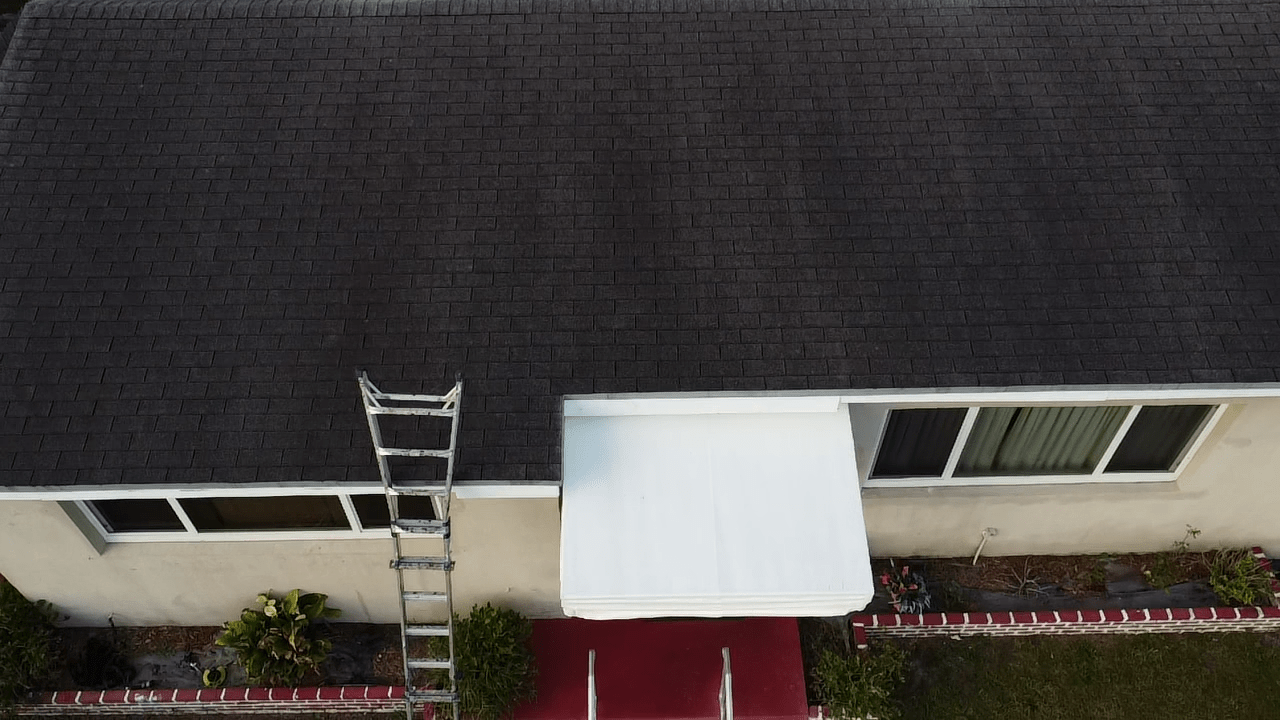
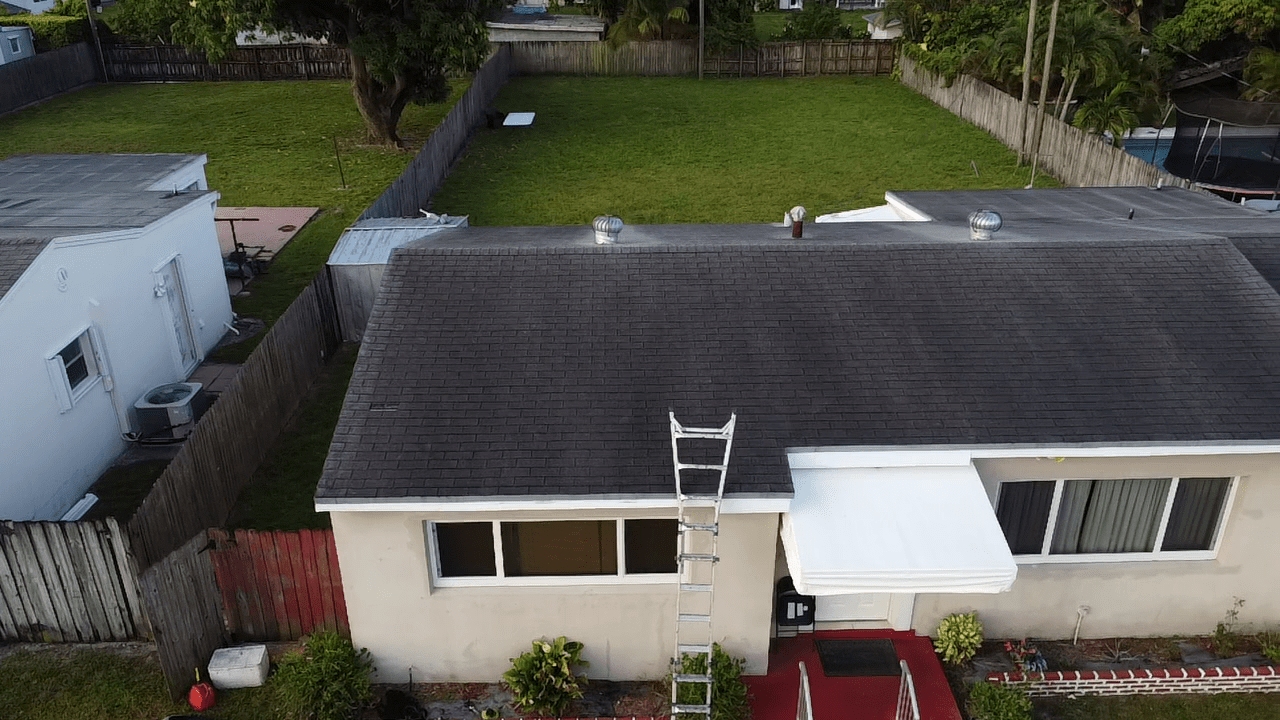
The HVHZ designation means the Florida Building Code imposes the strictest construction standards in the U.S. for roofing and fenestration. When a carrier sees a roof that does not meet current HVHZ standards, they flag it as a liability. That flag can trigger non-renewal, which puts the homeowner on the path to force-placed insurance without warning.
What You Need to Know
Force-Placed Insurance, CLUE Reports, and Insurance Scores — Explained
What Is Force-Placed Insurance?
Force-placed insurance (also called lender-placed or creditor-placed insurance) is a policy your mortgage lender purchases on your behalf when your homeowner coverage lapses or is cancelled. The lender is required to protect its collateral — your home secures their loan — so they cannot simply let the property go uninsured.
The catch: you pay the premium, but the policy protects the lender, not you personally. Force-placed policies typically cover only the structure for the loan balance. They do not cover your personal property, liability, or additional living expenses. Premiums can run two to five times the cost of a standard homeowner policy for equivalent structural coverage.
If your Florida carrier non-renews you — which is common after a roof ages past 20–25 years — and you do not replace coverage quickly, your servicer may trigger force-placed insurance within 45 days of lapse. You will receive notices, but many homeowners miss them in escrow statements.
What Is a CLUE Report and How Does It Affect You?
CLUE stands for Comprehensive Loss Underwriting Exchange. It is a database maintained by LexisNexis that records insurance claims on a property for the past seven years. When you apply for a homeowner policy, the insurer pulls the CLUE report on that address — not just on you as a person.
This matters for buyers: a home you are purchasing may carry a history of water damage claims filed by the previous owner. Those claims stay with the property address. An insurer may rate you higher, exclude certain perils, or decline coverage outright based on claim history they found on a home you never lived in before.
Water claims are the most impactful entry. A single pipe-burst or roof-leak claim in the last five years can raise the rate noticeably. Two water claims in seven years can make a property difficult to insure in standard markets — pushing it toward Citizens Insurance or specialty surplus-lines carriers at higher cost.
You are entitled to one free CLUE report per year through LexisNexis. If you are buying a home, request it as part of due diligence — the seller can authorize it before closing.
| Factor | How It Affects Coverage | What You Can Control |
|---|---|---|
| CLUE water claims (past 5 yrs) | Higher rate or restricted coverage | Roof and plumbing maintenance; buyer due diligence |
| Roof age (20+ years) | Non-renewal trigger, force-placement risk | Roof replacement before non-renewal |
| Insurance score | Premium tier placement | Manage credit; avoid small claims; shop carriers |
| Carrier insolvency risk | Forced re-shopping at higher rate | Check Demotech or AM Best rating before binding |
| HVHZ location | Stricter underwriting, higher base rate | Wind mitigation inspection; qualifying roof system |
What Is an Insurance Score?
An insurance score is not your FICO credit score, though it draws from similar underlying credit data. Insurers (and their rating models) combine credit-based factors — payment history, account age, outstanding balances — with claims history and geographic risk to generate a proprietary score. Florida law permits use of credit-based insurance scores under certain conditions.
A lower insurance score typically places you in a higher rating tier, meaning a higher premium for the same home and coverage. Homeowners with no recent claims, stable credit, and a newer qualifying roof tend to score better across most rating models. You cannot see your exact insurance score, but you can request the factors that affected your rate under Florida law.
Why Did My Florida Insurer Get Shut Down?
Florida’s homeowner insurance market has faced severe financial pressure from back-to-back hurricane seasons, litigation costs driven by assignment-of-benefits (AOB) abuse (largely curtailed by 2022 reforms), and reinsurance cost spikes. Several carriers — including Demotech-rated companies that covered tens of thousands of Florida homes — became insolvent. When that happens, Citizens Insurance absorbs many policies temporarily, but Citizens itself is a last-resort insurer with different rate and eligibility rules.
Before binding a policy, check your carrier’s financial strength rating through Demotech (which rates many Florida-specific carriers) or AM Best. A company rated below A by Demotech or below A- by AM Best carries meaningful insolvency risk in a post-storm environment.
Your Options
Comparing How You Can Improve Insurability
| Action | Effort Level | Insurance Impact | Bigfoot Can Help? |
|---|---|---|---|
| Replace aging roof | Medium | High — removes non-renewal trigger | Yes — Certified Roofing Contractor (CCC1333168) |
| Wind mitigation inspection | Low | Medium — discount on windstorm premium | Yes — we coordinate the documentation |
| Add hurricane straps | Medium | Medium — improves wind mit score | Yes — handled in-house as structural scope |
| Install impact windows/doors | Medium | Medium — opening protection credit | Yes — Glass & Glazing Specialty license |
| Dispute CLUE errors | Low | Variable — LexisNexis dispute process | No — handled directly with LexisNexis |
| Improve credit score | Long-term | Low-medium — affects insurance score | No — financial/credit matter |
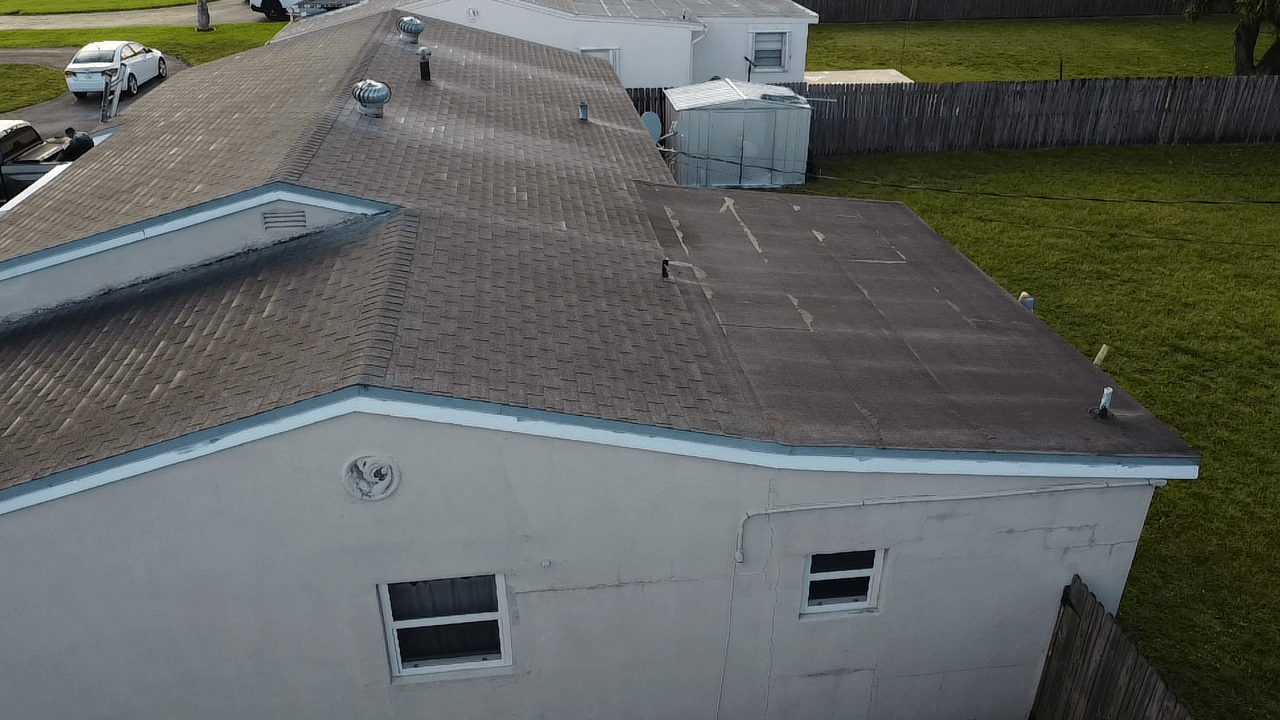
Among these options, a qualifying roof replacement has the most direct and immediate impact on insurability in Miami-Dade. Citizens Insurance and most private carriers in Florida will non-renew roofs older than 20–25 years. A new roof meeting current Florida Building Code standards — including the HVHZ requirements for Miami-Dade NOA-approved products — removes the single most common non-renewal trigger.
Hurricane straps and structural tie-downs are part of a wind mitigation upgrade. When a roof replacement includes proper hurricane strap installation and documentation, the homeowner typically qualifies for a wind mitigation inspection that can reduce windstorm premiums meaningfully. Because Darryl holds a Certified General Contractor (CGC1531370) credential alongside the roofing license, structural modifications like hurricane strap upgrades can be handled under one contract — homeowners do not need to coordinate a separate structural contractor for that scope.
Why This Contractor
Licensed Scope — Not a Lead Generator
Florida licenses are public record. Verify before you hire anyone.
“A roof that qualifies for a wind mitigation inspection is one of the most concrete things a homeowner can do to fight back against the Florida insurance spiral. We build the documentation into every job.”
Darryl Rosenbaum
President, Bigfoot Windows & Roofing
Roofing Products That Support Insurability
What Qualifies Under Florida Building Code and HVHZ Standards
Not every roofing product meets Miami-Dade NOA requirements. In the HVHZ, every product used on a roof assembly must carry a Miami-Dade Notice of Acceptance (NOA) or a Florida Product Approval. This is not optional — it is a code requirement. Installing a non-NOA product in Miami-Dade means the roof will fail inspection, and an uninspected roof can void insurance coverage.
For shingle roofing, Bigfoot installs GAF systems including the Timberline HDZ with Layer Lock technology. GAF’s Wind Proven warranty — available through qualifying installers — covers wind damage with no maximum mph cap and is not voided by a named storm hitting the county. Competing warranties are typically capped at 130 mph or include named-storm exclusions. Bigfoot holds GAF Silver Plus certification, which enables the System Plus warranty (50-year non-prorated, covering shingles, labor, tear-off, and accessories).
For metal roofing, Bigfoot installs Englert standing-seam systems fabricated to job-specific dimensions with panels running one continuous piece from ridge to eave — no horizontal seams. This matters structurally in hurricane conditions. Metal roofs carry a 50-year standing-seam warranty and often score well in wind mitigation inspections.
Tile and stone-coated options (Westlake/Unified Steel) carry lifetime warranties with no named-storm or saltwater exclusion clauses — a meaningful difference from some competing tile products that include those exclusions. For financing options on a qualifying roof replacement, Bigfoot offers PACE financing through Renew Financial, paid through your property tax bill with no prepayment penalty.
What the Process Looks Like
From Insurance Pressure to a Qualifying Roof
- Free estimate: We assess the current roof age, condition, and what NOA-compliant system fits the structure and budget.
- Permit pulled: Bigfoot pulls all permits — homeowners never have to manage this. In Miami-Dade, permit approval is required before any work begins.
- Installation to code: All materials carry Miami-Dade NOA. Hurricane straps are installed or documented as part of the assembly where required.
- Final inspection: City or county inspector signs off. This creates the paper trail your insurer needs.
- Wind mitigation report: After inspection passes, a licensed wind mitigation inspector documents the qualifying features — hip roof geometry, strap spacing, opening protection — so you can submit to your insurer for a premium review.
Facing a non-renewal notice or a force-placement risk? A qualifying roof is the most direct fix.
Written by Darryl Henry Rosenbaum, Founder of Bigfoot Windows & Roofing.
Darryl Henry Rosenbaum, doing business as Bigfoot Windows and Roofing, holds four active Florida licenses recognized by the Florida Department of Business and Professional Regulation (DBPR): Certified General Contractor (CGC1531370), Certified Residential Contractor (CRC1331693), Certified Roofing Contractor (CCC1333168), and Certified Specialty Contractor with a Glass & Glazing Specialty (SCC131153098).
Who We’re Not the Right Fit For
- You need only an insurance policy, not a contractor. We install roofs and windows — we are not insurance brokers. For CLUE disputes, carrier shopping, or Citizens eligibility questions, you need a licensed public adjuster or independent insurance agent.
- Your roof is in excellent condition and you simply want a quote comparison. If your roof is newer and the problem is purely an insurance score or credit issue, a roofer cannot fix that — a financial advisor or insurance specialist can.
- Your project is outside South Florida. Our license scope and field teams operate in Miami-Dade, Broward, and Palm Beach counties. We do not service projects north of Palm Beach or outside Florida.
- You need electrical, plumbing, or HVAC work as the primary scope. Our four licenses cover general contracting, residential construction, roofing, and glass and glazing. We do not self-perform electrical, plumbing, or mechanical trades.
FAQ
Frequently Asked Questions
What is force-placed insurance?
Force-placed insurance is a policy your mortgage lender buys and charges to you when your homeowner coverage lapses or is cancelled. It protects the lender’s collateral — not your belongings or your liability. Premiums are typically two to five times higher than a standard policy for equivalent structural coverage. The fastest way to exit force-placement is to obtain a qualifying homeowner policy and send proof to your servicer.
What does a CLUE report show and how do I get mine?
A CLUE (Comprehensive Loss Underwriting Exchange) report lists insurance claims filed on a property for the past seven years. It follows the address, not the owner. You are entitled to one free CLUE report per year through LexisNexis. If you are buying a home, ask the seller to pull the CLUE report as part of due diligence before you close — water claims and roof claims are the most impactful entries.
Why do insurers check my credit score when I apply for home insurance?
Insurers use a credit-based insurance score — distinct from your FICO score — that weighs payment history, account age, and outstanding balances alongside claims history and location. Florida law permits this. Homeowners with stable credit, no recent claims, and a qualifying roof tend to land in lower premium tiers. You can request the factors that affected your rate under Florida law, though the exact score formula is proprietary.
Why was my Florida homeowner insurer shut down?
Florida carriers have faced back-to-back hurricane losses, rising reinsurance costs, and years of litigation driven by assignment-of-benefits abuse. More than a dozen companies became insolvent or withdrew from Florida since 2021. Before binding any new policy, check your carrier’s Demotech or AM Best financial strength rating. A rating below A (Demotech) or A- (AM Best) signals meaningful insolvency risk in a storm year.
How do past water claims on a home affect my insurance?
Water claims recorded in a property’s CLUE file can raise your premium, restrict coverage for water-related perils, or cause carriers to decline coverage entirely — even if the claims were filed by a previous owner. Two water claims in seven years often push a home into Citizens Insurance or surplus-lines carriers at higher cost. Preventive maintenance and prompt repairs help avoid claim history that follows the address.
Why can’t my insurance agent find me a better rate in Florida?
Most independent agents are appointed with a specific set of carriers — they can only quote companies they have a contract with. If those carriers have all non-renewed your area or your roof age, the agent’s options are genuinely limited. A qualifying roof replacement, a wind mitigation inspection, and a search across multiple agents (not just one) expands the pool of carriers willing to write your home at standard rates.
Does a new roof actually lower my homeowner insurance premium?
A new roof that meets current Florida Building Code standards — including Miami-Dade NOA requirements in the HVHZ — removes the most common carrier non-renewal trigger. Combined with a wind mitigation inspection documenting qualifying features (hip geometry, hurricane straps, opening protection), homeowners in South Florida have seen significant premium reductions. We cannot quote specific savings figures, but the insurance impact of a qualifying roof is well-documented by Florida insurers.
Sources
- Florida Office of Insurance Regulation — carrier insolvency and market reports (floir.com)
- LexisNexis Risk Solutions — CLUE consumer disclosure and dispute process (lexisnexis.com/risk)
- Florida Department of Financial Services — force-placed insurance consumer guidance (myfloridacfo.com)
- Demotech, Inc. — financial stability ratings for Florida homeowner carriers (demotech.com)
- Florida Building Code, 7th Edition — HVHZ roofing and fenestration requirements
A qualifying roof is the most direct step South Florida homeowners can take to stabilize their insurance situation.
Request a free estimate — no commitment required.
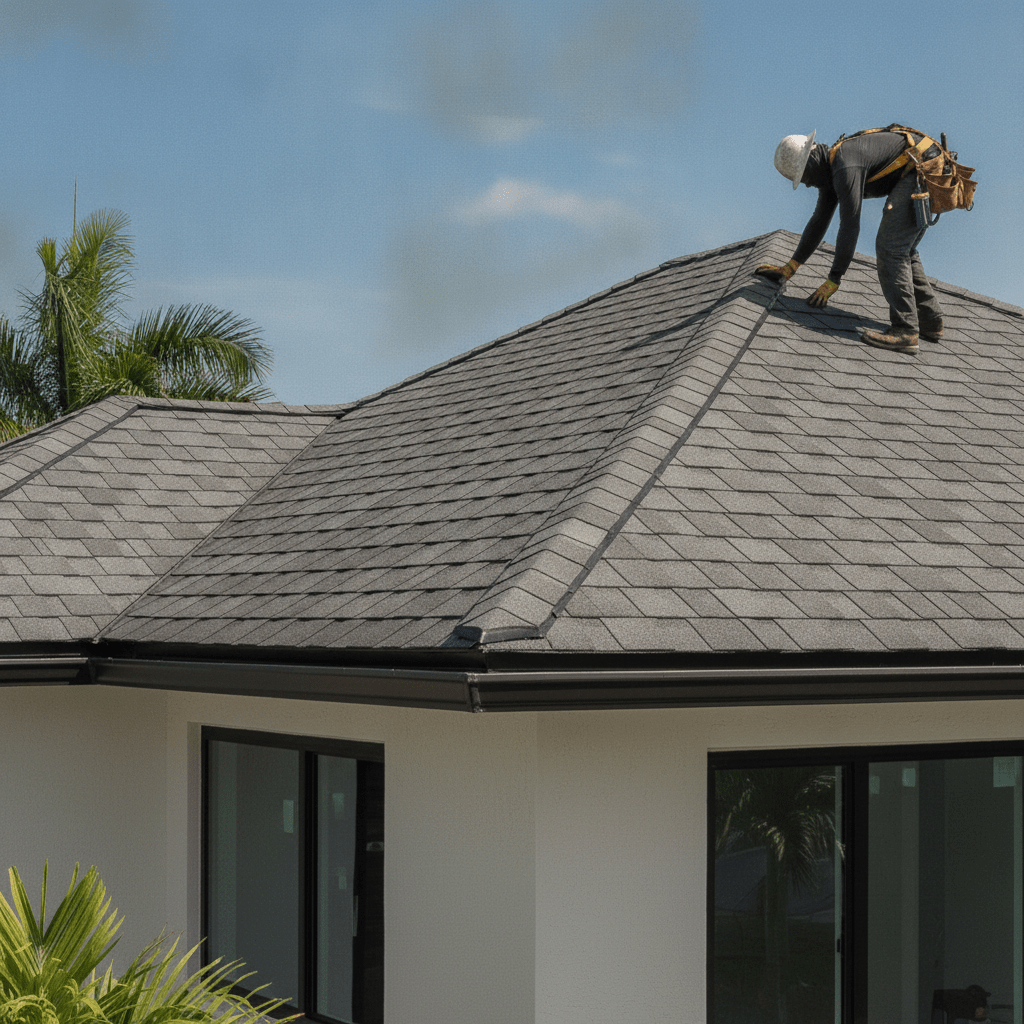
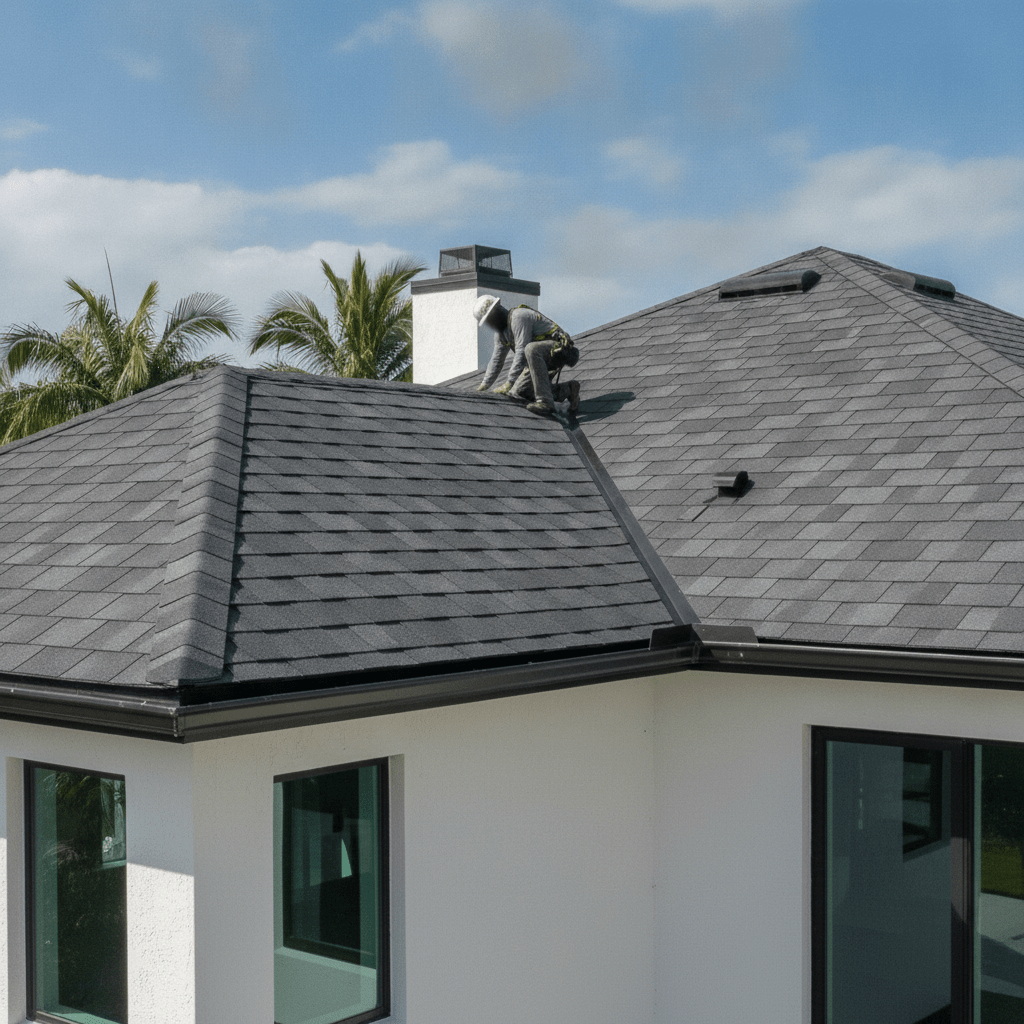
[{“@context”:”https://schema.org”,”@type”:”ImageObject”,”contentUrl”:”https://bigfootwindowsandroofing.com/wp-content/uploads/2026/07/bf-aerial_drone-photo-jul-22-2024-10-33-21-am-3-1-png-1.png”,”caption”:”Aerial view of completed roof in Hollywood by Bigfoot Windows & Roofing”,”about”:”Aerial view of completed roof”,”creator”:{“@type”:”Organization”,”name”:”Bigfoot Windows & Roofing”},”representativeOfPage”:false,”contentLocation”:{“@type”:”Place”,”name”:”Hollywood, FL”}},{“@context”:”https://schema.org”,”@type”:”ImageObject”,”contentUrl”:”https://bigfootwindowsandroofing.com/wp-content/uploads/2026/07/bf-aerial_drone-photo-jul-22-2024-10-33-21-am-3-png-1.png”,”caption”:”Aerial view of completed roof in Hollywood by Bigfoot Windows & Roofing”,”about”:”Aerial view of completed roof”,”creator”:{“@type”:”Organization”,”name”:”Bigfoot Windows & Roofing”},”representativeOfPage”:false,”contentLocation”:{“@type”:”Place”,”name”:”Hollywood, FL”}},{“@context”:”https://schema.org”,”@type”:”ImageObject”,”contentUrl”:”https://bigfootwindowsandroofing.com/wp-content/uploads/2026/07/bf-aerial_drone-photo-jul-22-2024-10-33-21-am-9-png-1.png”,”caption”:”Aerial view of completed roof in Hollywood by Bigfoot Windows & Roofing”,”about”:”Aerial view of completed roof”,”creator”:{“@type”:”Organization”,”name”:”Bigfoot Windows & Roofing”},”representativeOfPage”:false,”contentLocation”:{“@type”:”Place”,”name”:”Hollywood, FL”}}]
Related Articles

{“@context”: “https://schema.org”, “@type”: “VideoObject”, “name”: “Force-Placed Insurance, CLUE Reports & Florida Home Coverage”, “description”: “Florida Home Insurance Secrets: Forced Placement, CLUE Reports & Credit Scores”, “thumbnailUrl”: “https://img.youtube.com/vi/j60y84DdNKc/maxresdefault.jpg”, “uploadDate”: “2026-07-01”, “contentUrl”: “https://www.youtube.com/watch?v=j60y84DdNKc”, “embedUrl”: “https://www.youtube.com/embed/j60y84DdNKc?feature=oembed”}