
Best Roofing Companies Near Me in Miami-Dade County | Hurricane-Ready Roofing Experts
Finding the right roofing contractor in South Florida isn’t just about getting the lowest bid. Your roof is your home’s first line of defense against hurricanes, torrential rains, and intense UV exposure. In Miami-Dade, Broward, and Palm Beach counties, you need a roofing company that understands our unique climate challenges and building codes.
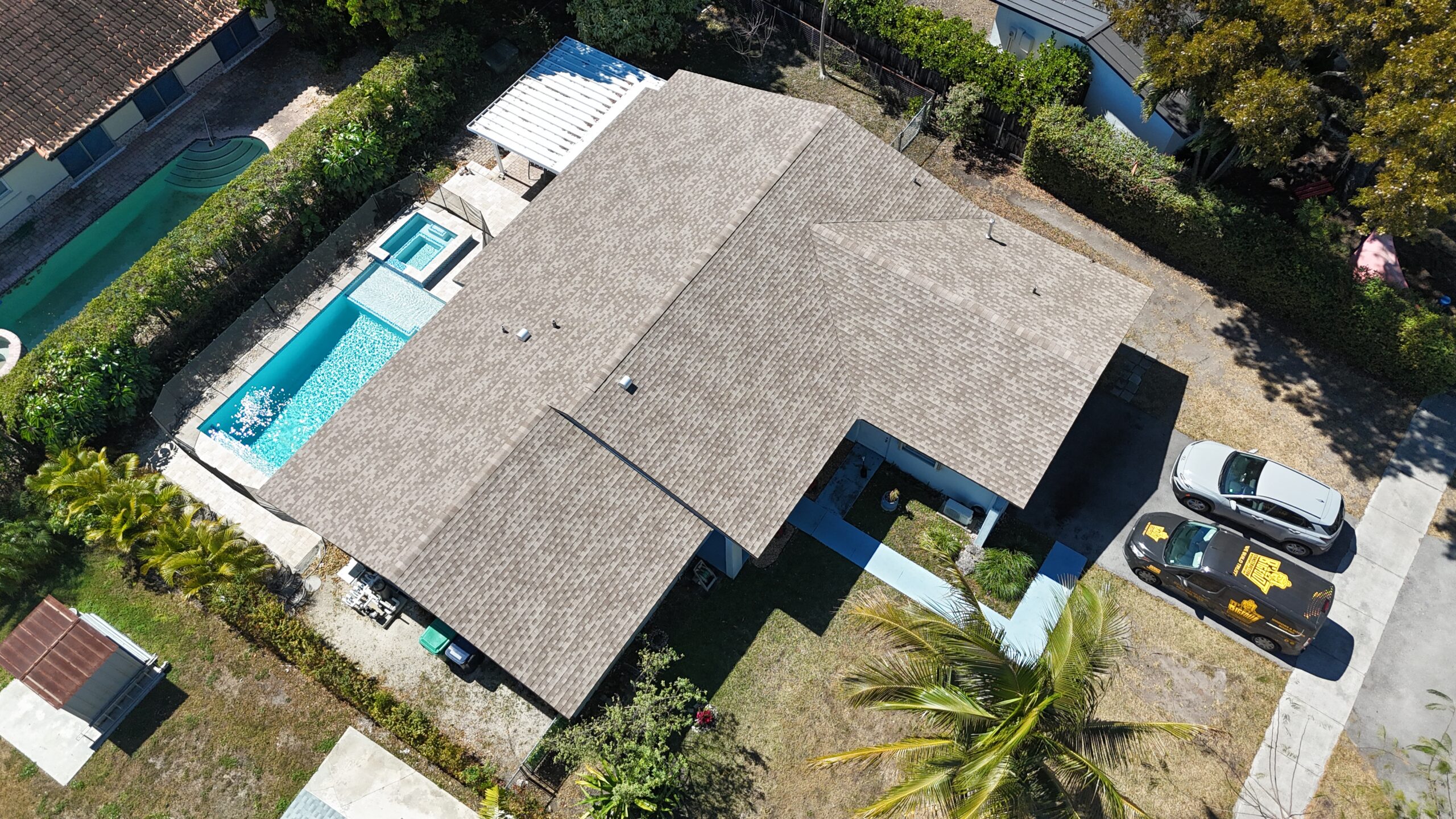
As a licensed Florida General Contractor, Roofing Contractor, and Glazing Contractor serving all three counties, we’ve seen firsthand what separates quality roofing companies from those that cut corners. This guide will help you make an informed decision when searching for “roofing companies near me.”
What Makes South Florida Roofing Unique
South Florida roofing faces challenges unlike anywhere else in the country. Our subtropical climate, hurricane seasons, and strict building codes require specialized knowledge and experience.
Hurricane and High Wind Requirements
Much of Miami-Dade County falls within the High Velocity Hurricane Zone (HVHZ), requiring roofing systems to withstand winds up to 180 mph. Your roofing contractor must understand:
- HVHZ compliance requirements for materials and installation
- Proper hurricane strap installation and reinforcement
- Wind uplift resistance ratings
- Impact-resistant material specifications
Climate-Specific Challenges
Beyond hurricanes, South Florida roofs must handle:
- Salt Air Corrosion: Coastal properties face accelerated deterioration of metal components
- Intense UV Exposure: Year-round sun breaks down roofing materials faster
- High Humidity: Promotes mold, algae, and moisture-related issues
- Thermal Cycling: Rapid temperature changes cause expansion and contraction
- Heavy Rainfall: Superior drainage and waterproofing are essential
Essential Qualifications for South Florida Roofing Companies
Not all contractors are created equal. Here’s what to look for when evaluating roofing companies near you:
Required Licenses and Certifications
| License Type | Purpose | Why It Matters |
|---|---|---|
| Florida Roofing Contractor License | Install, repair, and replace roofing systems | Ensures knowledge of Florida Building Code and safety standards |
| General Contractor License | Structural modifications and complete projects | Allows for comprehensive work including framing and structural changes |
| Glazing Contractor License | Install impact windows and doors | Enables coordinated roof and window replacement projects |
Insurance and Bonding
Verify your contractor carries:
- General liability insurance (minimum $1 million)
- Workers’ compensation coverage
- Surety bonding for larger projects
- Current certificates of insurance
Popular Roofing Materials for South Florida
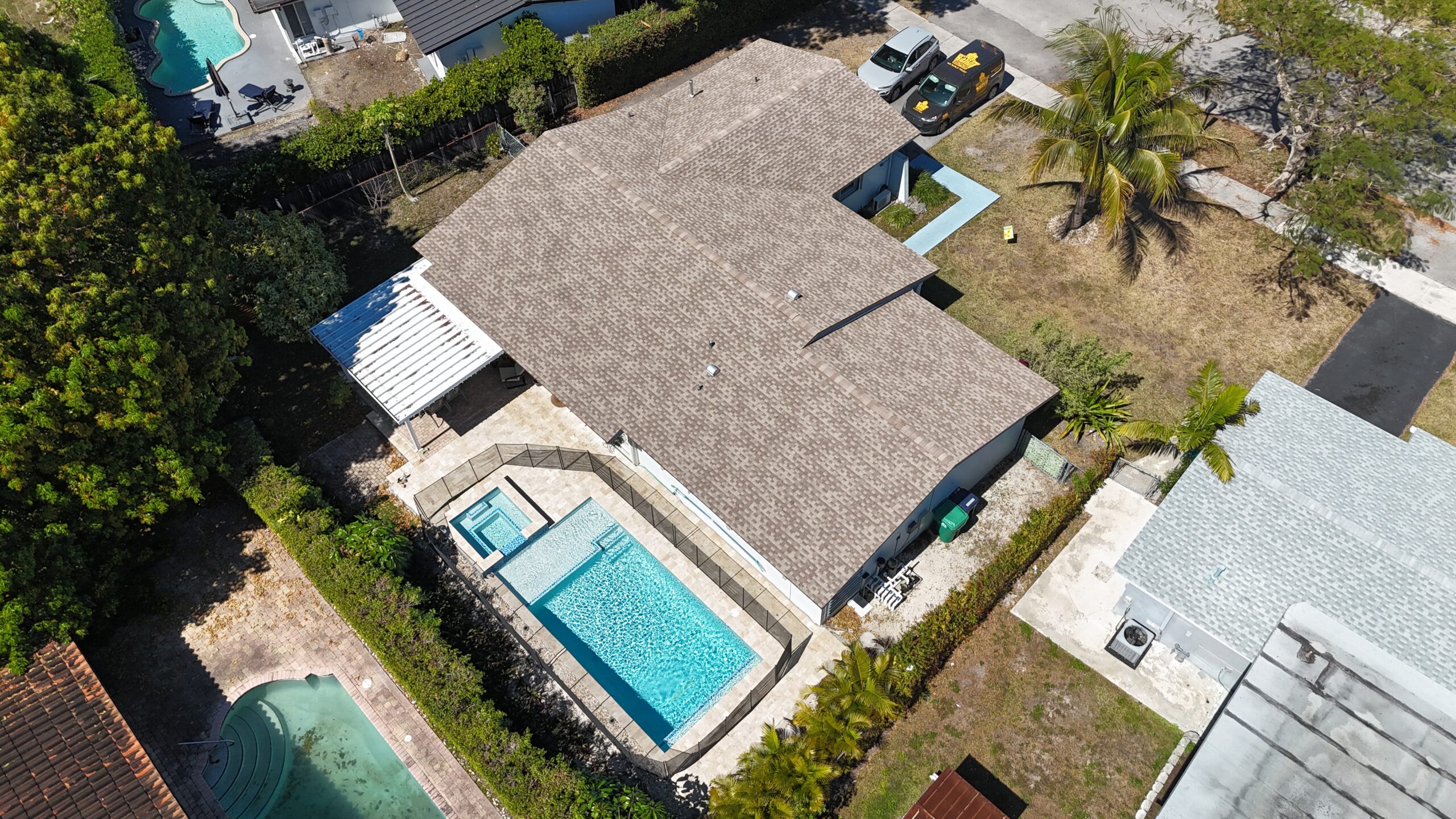
The right material choice depends on your budget, architectural style, and performance requirements. Learn more about our comprehensive roofing materials guide for detailed comparisons.
Tile Roofing
Extremely popular in South Florida for good reason:
- Concrete Tile: Affordable, hurricane-resistant, 30-50 year lifespan
- Clay Tile: Premium option, excellent in salt air, 50+ years
- Benefits: Fire resistant, energy efficient, withstands high winds
- Considerations: Heavy weight requires proper structural support
Metal Roofing
Growing in popularity due to performance benefits:
- Standing Seam: Superior wind resistance, sleek appearance
- Metal Shingles: Traditional look with modern performance
- Benefits: Lightweight, energy efficient, 40-70 year lifespan
- Considerations: Requires marine-grade coatings near coast
Asphalt Shingles
Most budget-friendly option when properly specified:
- Architectural Shingles: Better wind resistance than 3-tab
- Impact-Resistant Shingles: Class 4 rating for hail protection
- Benefits: Lower upfront cost, easier repairs
- Considerations: Shorter lifespan (15-25 years) in Florida climate
Florida Building Codes and Permits
Roofing work in South Florida requires permits and inspections. Your contractor should handle this process for you.
When Permits Are Required
- Complete roof replacement
- Structural modifications or reinforcements
- Adding hurricane straps or ties
- Changing roof slope or drainage
- Opening modifications (skylights, vents)
Inspection Process
Typical inspections include:
- Plan Review: Structural drawings and material specifications
- Rough Inspection: Decking, underlayment, and hurricane straps
- Final Inspection: Completed installation and code compliance
Coordinating Roof and Impact Window Projects
Many homeowners need both roof replacement and impact windows. Working with a contractor licensed in both trades offers significant advantages. Check out our impact window installation services for complete home protection.
Benefits of Coordinated Projects
- Single Point of Contact: One contractor manages everything
- Better Scheduling: No delays waiting for multiple contractors
- Integrated Design: Proper flashing and weatherproofing connections
- Cost Savings: Reduced mobilization and permit costs
- Warranty Clarity: No finger-pointing between contractors
Structural Modifications
Opening changes require careful coordination:
- Enlarging windows may require header modifications
- Adding skylights needs proper structural support
- Hurricane straps must be properly integrated
- Waterproofing details are critical at connections
Understanding Roofing Costs in South Florida
Roofing costs vary significantly based on materials, complexity, and local factors.
Cost Factors
| Factor | Impact on Cost | Typical Range |
|---|---|---|
| Material Choice | High | $8-25+ per sq ft |
| Roof Complexity | High | 25-50% premium |
| Structural Work | Medium | $5-15 per sq ft |
| Permit Costs | Low | $500-2,000 |
| Hurricane Upgrades | Medium | $2-8 per sq ft |
Financing Options
Many homeowners finance roofing projects through:
- Home equity loans or lines of credit
- Contractor financing programs
- Property insurance settlements
- PACE financing for energy improvements
Insurance Claims and Storm Damage
South Florida homeowners frequently deal with storm damage. Choose a contractor experienced in insurance work. Learn more about our storm damage restoration services.
Insurance Claim Process
- Document Damage: Photos and detailed notes
- Contact Insurer: Report claim promptly
- Get Professional Assessment: Contractor inspection report
- Meet Adjuster: Walk through damage with insurer
- Review Settlement: Ensure adequate coverage
- Complete Repairs: Use approved contractor
Common Coverage Issues
- Code Upgrades: May not be fully covered
- Matching Materials: Discontinued products cause issues
- Hidden Damage: Requires thorough inspection
- Depreciation: Affects settlement amount
Emergency Roof Repair Services
Storm damage requires immediate attention to prevent further problems.
Emergency Response
Quality contractors provide:
- 24/7 emergency hotline
- Rapid response teams
- Temporary weatherproofing (tarping)
- Priority scheduling for storm victims
- Direct insurance billing when possible
Temporary Protection
Professional tarping includes:
- Heavy-duty materials rated for high winds
- Proper fastening to prevent uplift
- Strategic placement to channel water
- Documentation for insurance claims
How to Evaluate Roofing Company Reviews and References
Online reviews provide insights, but require careful evaluation.
Red Flags to Avoid
- Door-to-door solicitation after storms
- Demands for full payment upfront
- Unusually low bids (may indicate cutting corners)
- No local business address or license
- High-pressure sales tactics
- No written contracts or warranties
Positive Indicators
- Established local presence (5+ years)
- Proper licensing and insurance
- Detailed written estimates
- Local references you can visit
- Manufacturer certifications
- Better Business Bureau accreditation
Questions to Ask Potential Contractors
Use these questions to evaluate roofing companies:
Basic Qualifications
- Are you licensed as a Florida roofing contractor?
- Do you carry current insurance and bonding?
- How long have you been in business locally?
- Can you provide recent local references?
Project-Specific Questions
- Will you handle permits and inspections?
- What warranty do you provide on labor and materials?
- How do you handle change orders?
- What’s your timeline for completion?
- Do you work directly with insurance companies?
Maintenance Tips for South Florida Roofs
Proper maintenance extends roof life and prevents costly problems. Explore our professional roof maintenance services to keep your roof in optimal condition.
Regular Inspections
Schedule professional inspections:
- Annually before hurricane season
- After major storms
- When you notice interior leaks or stains
- Before selling your home
Preventive Maintenance
- Clean Gutters: Prevent water backup and overflow
- Trim Trees: Reduce impact damage risk
- Remove Debris: Clear leaves and branches regularly
- Check Flashing: Ensure seals around penetrations
- Address Algae: Clean staining before it spreads
Frequently Asked Questions About Roofing Companies in South Florida
How do I find the best roofing company near me in Miami-Dade County?
Look for contractors with proper Florida licensing (roofing, general contractor, and glazing if needed), current insurance, local references, and experience with South Florida’s unique climate challenges. Verify their Better Business Bureau rating and check online reviews from recent customers in your area.
What should I expect to pay for a roof replacement in South Florida?
Roof replacement costs in Miami-Dade, Broward, and Palm Beach counties typically range from $8-25+ per square foot, depending on materials chosen, roof complexity, and hurricane upgrades required. Tile and metal roofing cost more upfront but offer better longevity in our climate compared to asphalt shingles.
Do I need permits for roof work in South Florida?
Yes, complete roof replacements, structural modifications, and hurricane upgrades require permits in Miami-Dade, Broward, and Palm Beach counties. Your contractor should handle the permit application, plan review, and inspection scheduling. Never work with contractors who suggest skipping permits.
How long does a typical roof replacement take in South Florida?
Most residential roof replacements take 2-5 days, depending on size, complexity, and weather conditions. Hurricane season delays are common, so plan accordingly. Emergency repairs and temporary protection can usually be completed within 24-48 hours after storm damage.
What’s the difference between a roofing contractor and a general contractor for roof work?
A roofing contractor specializes in roof installation and repair, while a general contractor can handle structural modifications, coordinated projects with windows, and complex renovations. For comprehensive projects involving both roofing and impact windows, choose a contractor licensed in both trades.
Ready to Protect Your Home with Professional Roofing Services?
Don’t wait for the next storm to discover your roof needs attention. Contact Bigfoot Windows & Roofing today for a comprehensive inspection and free estimate. Our licensed professionals serve Miami-Dade, Broward, and Palm Beach counties with hurricane-ready roofing solutions.
Call Now: 786-886-2088
Get Your Free Roofing Estimate
Licensed General Contractor, Roofing Contractor & Glazing Contractor | Fully Insured | 24/7 Emergency Service