
Miami Roofing Contractor | Hurricane-Rated Roof Replacement & Repair
When you need roofing in Miami FL, you’re dealing with unique challenges that most of the country doesn’t face. From hurricane-force winds to year-round sun exposure and heavy rainfall, South Florida roofs take a beating. That’s why choosing the right roofing contractor isn’t just about finding someone who can install shingles—you need a team that understands High Velocity Hurricane Zone (HVHZ) requirements, Florida Building Code compliance, and the specific materials that perform in our climate.
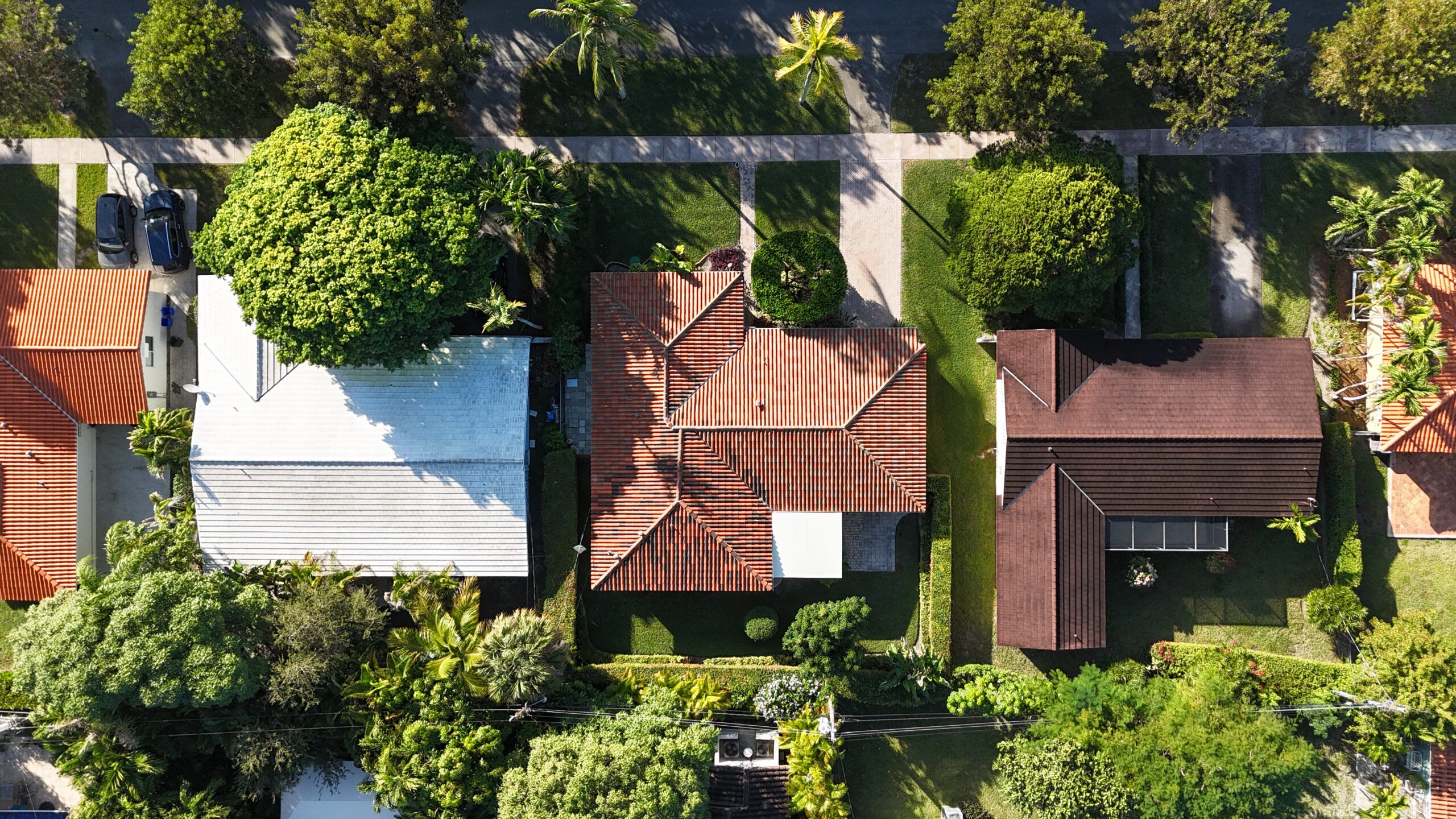
At Bigfoot Windows & Roofing, we’re a licensed Florida General Contractor, Roofing Contractor, and Glazing Contractor serving Miami-Dade, Broward, and Palm Beach counties. What sets us apart is our ability to handle all structural modifications, opening changes, and hurricane strap installations in-house. This means you never need to coordinate multiple contractors or worry about warranty issues between different trades.
Understanding HVHZ Roofing Requirements in Miami-Dade
Miami-Dade County sits in the High Velocity Hurricane Zone, which means stricter building codes and material requirements than most areas. Here’s what this means for your roofing project:
Wind Rating Requirements
All roofing materials in Miami-Dade must meet specific wind uplift ratings. These aren’t suggestions—they’re code requirements that protect your home and family during hurricane season. The basic requirements include:
- Roof deck attachment rated for 180+ mph winds
- Roofing materials with Miami-Dade Notice of Acceptance (NOA)
- Proper fastener patterns and spacing
- Secondary water barriers in critical areas
Notice of Acceptance (NOA) Products
Miami-Dade County maintains a strict list of approved roofing products. Every component—from underlayment to fasteners—must have a Miami-Dade NOA or a Florida Product Approval that covers HVHZ use. This testing ensures materials can withstand not just high winds, but also the impact of wind-borne debris that’s common during hurricanes.
Best Roofing Materials for Miami’s Climate
Different roofing materials perform differently in South Florida’s unique environment. Here’s how the most popular options stack up:
Tile Roofing
Concrete and clay tiles are extremely popular in Miami for good reason. They offer excellent wind resistance, reflect heat to keep homes cooler, and can last 50+ years in Florida’s climate. However, proper installation with hurricane clips and adequate fastening is critical.
Benefits:
- Excellent wind resistance when properly installed
- Superior heat reflection reduces cooling costs
- Long lifespan with minimal maintenance
- Fire resistant
Considerations:
- Higher upfront cost
- Requires structural evaluation for weight
- Individual tiles can crack during severe storms
Asphalt Shingle Roofing
Modern architectural shingles designed for high-wind areas can be an excellent choice for Miami homes. Look for products rated for 130+ mph winds with proper installation. Learn more about our asphalt shingle installation services.
Benefits:
- Lower initial cost
- Wide variety of colors and styles
- Easier repairs when damage occurs
- Lighter weight than tile
Considerations:
- Shorter lifespan in intense Florida sun
- May require more frequent replacement
- Less energy efficient than tile or metal
Metal Roofing
Standing seam metal roofs are gaining popularity in South Florida due to their exceptional wind resistance and energy efficiency. Our metal roofing specialists can help you choose the right system for your home.
Benefits:
- Outstanding wind resistance (150+ mph when properly installed)
- Excellent energy efficiency
- Long lifespan (40-70 years)
- Lightweight
Considerations:
- Higher upfront investment
- Requires experienced installation
- Can be noisy during heavy rain
Flat Roof Systems
Many Miami commercial buildings and some residential properties use flat or low-slope roofing systems. These require specialized materials and installation techniques to handle Florida’s heavy rainfall. Check out our commercial roofing solutions.
| Material Type | Lifespan | Wind Rating | Energy Efficiency | Cost Range |
|---|---|---|---|---|
| Concrete Tile | 50+ years | Excellent | Very Good | $$-$$$ |
| Architectural Shingle | 20-30 years | Good-Excellent* | Good | $-$$ |
| Standing Seam Metal | 40-70 years | Excellent | Excellent | $$-$$$ |
| Modified Bitumen (Flat) | 15-25 years | Good | Good | $-$$ |
*Depends on specific product and installation quality
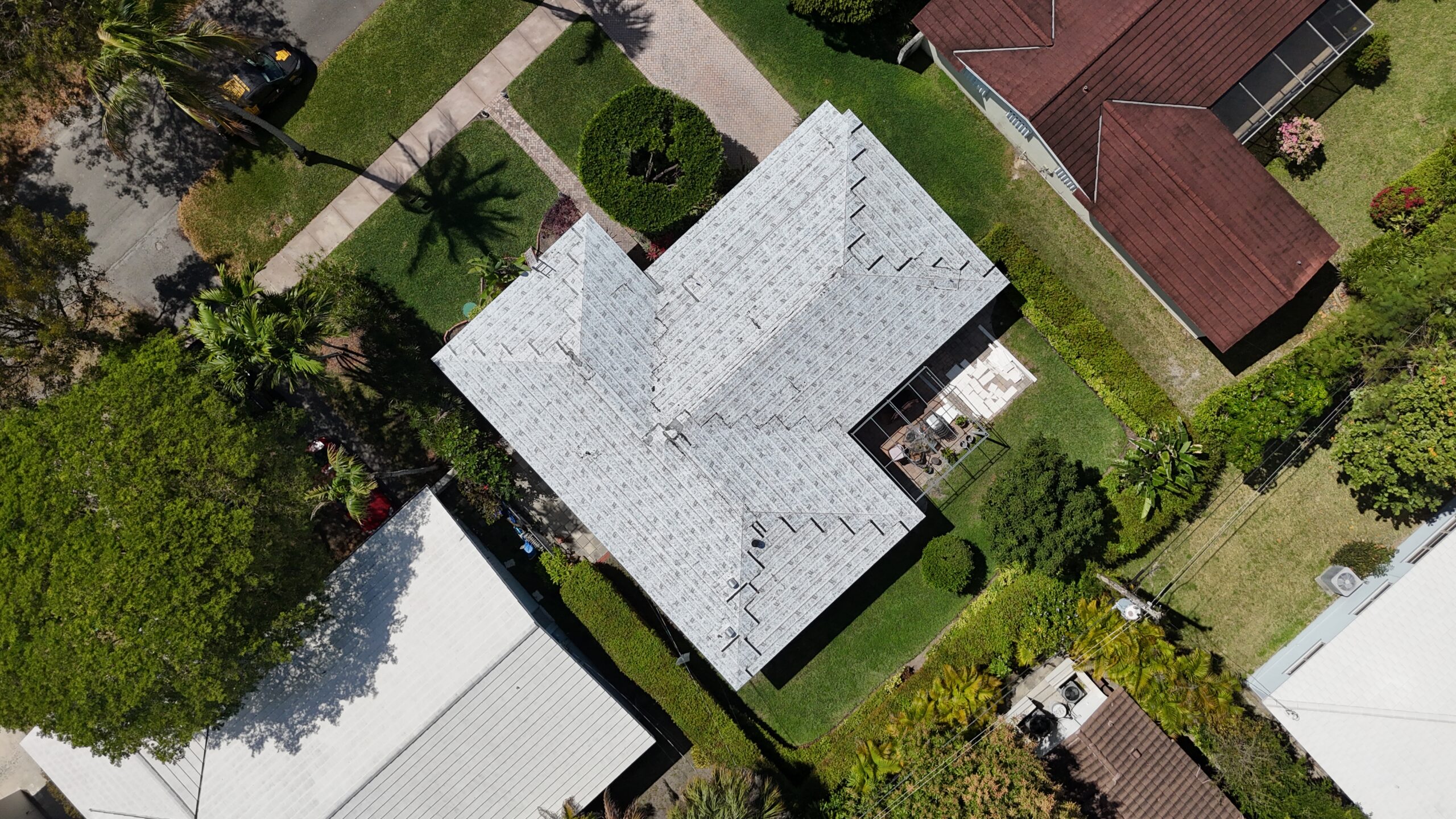
Roof Inspection and Maintenance in South Florida
Florida’s climate demands more frequent roof inspections than other parts of the country. Here’s what you need to know:
Inspection Frequency
We recommend professional roof inspections:
- Annually before hurricane season (May-June)
- After any major storm
- Every 6 months for roofs over 15 years old
- When you notice any signs of damage or leaks
Our comprehensive roof inspection services include detailed reports and maintenance recommendations.
What Inspectors Look For
A thorough South Florida roof inspection covers:
- Loose or missing fasteners
- Damaged or displaced roofing materials
- Compromised flashing around penetrations
- Clogged or damaged gutters and downspouts
- Signs of water damage or leaks
- Proper ventilation system function
Hurricane Season Preparation and Storm Damage
Hurricane season runs from June 1st through November 30th, but preparation should start much earlier. Here’s your timeline:
March-April: Early Preparation
- Schedule professional roof inspection
- Address any needed repairs
- Review insurance coverage
- Document roof condition with photos
May-June: Final Preparations
- Complete any remaining repairs
- Clean gutters and downspouts
- Trim overhanging tree branches
- Secure or remove loose items from roof area
Emergency Roofing Services
When storms strike, immediate response is critical. Look for contractors who offer:
- 24/7 emergency response
- Temporary roof protection (tarping)
- Rapid damage assessment
- Insurance claim documentation
- Priority scheduling for permanent repairs
Bigfoot Windows & Roofing provides 24/7 emergency roofing services throughout Miami-Dade, Broward, and Palm Beach counties.
Insurance Claims and Roof Replacement
Navigating insurance claims for roof damage can be complex, especially in Florida where insurers are increasingly strict about coverage. Here’s what you need to know:
What Insurance Typically Covers
- Storm damage (wind, hail, falling debris)
- Sudden and accidental damage
- Emergency repairs to prevent further damage
What’s Usually Not Covered
- Normal wear and tear
- Poor maintenance
- Cosmetic damage that doesn’t affect function
- Damage from floods (requires separate flood insurance)
Working with Insurance Adjusters
Having an experienced contractor who understands the insurance process can make a significant difference in your claim outcome. They can help:
- Document damage properly
- Provide detailed repair estimates
- Explain technical aspects to adjusters
- Advocate for complete and proper repairs
Our team has extensive experience with insurance claim assistance and documentation to help maximize your coverage.
Roof Replacement vs. Repair: Making the Right Choice
Deciding between repair and replacement depends on several factors specific to South Florida:
When Repair Makes Sense
- Roof is less than 15 years old
- Damage affects less than 30% of roof area
- Structural components are sound
- Matching materials are available
When Replacement is Better
- Roof is over 20 years old
- Multiple areas need repair
- Current materials don’t meet modern wind ratings
- Energy efficiency improvements are desired
- Planning to sell within 5 years
Energy Efficiency and Cool Roof Options
With Miami’s year-round heat, energy-efficient roofing can significantly impact your cooling costs. Cool roof technologies to consider:
Reflective Materials
Light-colored and specially coated materials reflect more sunlight, reducing heat absorption. This can lower attic temperatures by 20-30 degrees.
Proper Ventilation
Adequate ventilation systems remove hot air from attic spaces, reducing the load on air conditioning systems.
Radiant Barriers
Reflective barriers installed under roofing materials can reduce radiant heat transfer into living spaces.
Learn more about our energy-efficient roofing solutions designed specifically for South Florida’s climate.
Cost Factors for Miami Roofing Projects
Several factors affect roofing costs in South Florida:
Material Costs
HVHZ-rated materials typically cost 15-25% more than standard products, but this investment provides crucial protection and may qualify for insurance discounts.
Labor and Installation
Proper HVHZ installation requires experienced crews and additional time for proper fastening patterns and techniques.
Permits and Inspections
Miami-Dade permits and inspections are more stringent than many areas, but ensure your roof meets all safety requirements.
Additional Structural Work
Older homes may need structural upgrades to support new roofing materials or meet current wind load requirements.
Choosing the Right Miami Roofing Contractor
Not all roofing contractors understand South Florida’s unique requirements. Here’s what to look for:
Essential Qualifications
- Florida General Contractor and Roofing Contractor licenses
- Experience with HVHZ requirements
- Knowledge of Miami-Dade NOA products
- Insurance and bonding
- Local references and completed projects
Red Flags to Avoid
- Door-to-door solicitation after storms
- Requests for full payment upfront
- No local address or references
- Prices significantly below market rates
- Pressure to sign immediately
Financing and Payment Options
Roofing projects represent a significant investment. Many homeowners benefit from:
- Insurance claim assistance and coordination
- Flexible payment schedules tied to project milestones
- Financing options for energy-efficient upgrades
- Property tax exemptions for hurricane-resistant improvements
Warranty Coverage and Protection
Understanding warranty coverage is crucial for your investment protection:
Manufacturer Warranties
Material warranties typically range from 20-50 years depending on the product, but may have specific requirements for HVHZ applications.
Installation Warranties
Quality contractors provide comprehensive installation warranties covering workmanship and leak protection.
Maintaining Warranty Coverage
Regular maintenance and prompt repair of minor issues help maintain warranty coverage and extend roof life.
Frequently Asked Questions About Miami Roofing
How often should I replace my roof in Miami?
In South Florida’s harsh climate, most roofs need replacement every 15-25 years, depending on the material and maintenance. Tile roofs can last 50+ years with proper care, while asphalt shingles typically need replacement every 15-20 years due to UV exposure and weather extremes.
What’s the best roofing material for hurricane protection in Miami?
Concrete tile and standing seam metal roofing offer the best hurricane protection when properly installed with HVHZ-rated fasteners and techniques. Both materials can withstand winds over 150 mph and have excellent track records during major storms in South Florida.
Do I need a permit for roof replacement in Miami-Dade County?
Yes, all roof replacements in Miami-Dade County require permits and inspections due to HVHZ requirements. The permit process ensures your roof meets current building codes and wind resistance standards. Licensed contractors handle all permitting and inspection coordination.
How much does a new roof cost in Miami?
Roofing costs in Miami range from $8-15 per square foot for asphalt shingles, $12-20 for tile, and $15-25 for metal roofing. HVHZ requirements add 15-25% to costs, but this investment provides essential protection and may qualify for insurance discounts.
Will insurance cover my roof replacement in Florida?
Insurance coverage depends on the cause of damage. Storm damage, wind damage, and sudden incidents are typically covered, while normal wear and tear is not. Many Florida insurers now require roofs over 15 years old to pass inspections before providing coverage.
How long does roof installation take in Miami?
Most residential roof replacements take 3-7 days depending on size, material, and weather conditions. HVHZ installation requirements add time due to additional fastening patterns and inspection requirements, but ensure your roof meets all safety standards.
What maintenance does my Miami roof need?
South Florida roofs need annual inspections before hurricane season, immediate post-storm assessments, regular gutter cleaning, and prompt repair of any damage. Roofs over 15 years old benefit from bi-annual inspections due to increased UV and weather exposure.
Protect Your Miami Home with Expert Roofing Services
Don’t wait for the next storm to discover your roof isn’t up to South Florida’s demanding standards. Whether you need emergency repairs, routine maintenance, or complete roof replacement, Bigfoot Windows & Roofing has the expertise and local knowledge to protect your most important investment.
Our licensed team handles everything from initial inspection to final cleanup, ensuring your project meets all HVHZ requirements and manufacturer specifications. We work directly with insurance companies to streamline claims and provide warranties that give you peace of mind for years to come.
Ready to secure your home with a hurricane-rated roof? Contact Bigfoot Windows & Roofing today for your free consultation and detailed estimate. Call us at (786) 886-2088 or schedule your inspection online. We serve Miami-Dade, Broward, and Palm Beach counties with 24/7 emergency services and flexible financing options.