
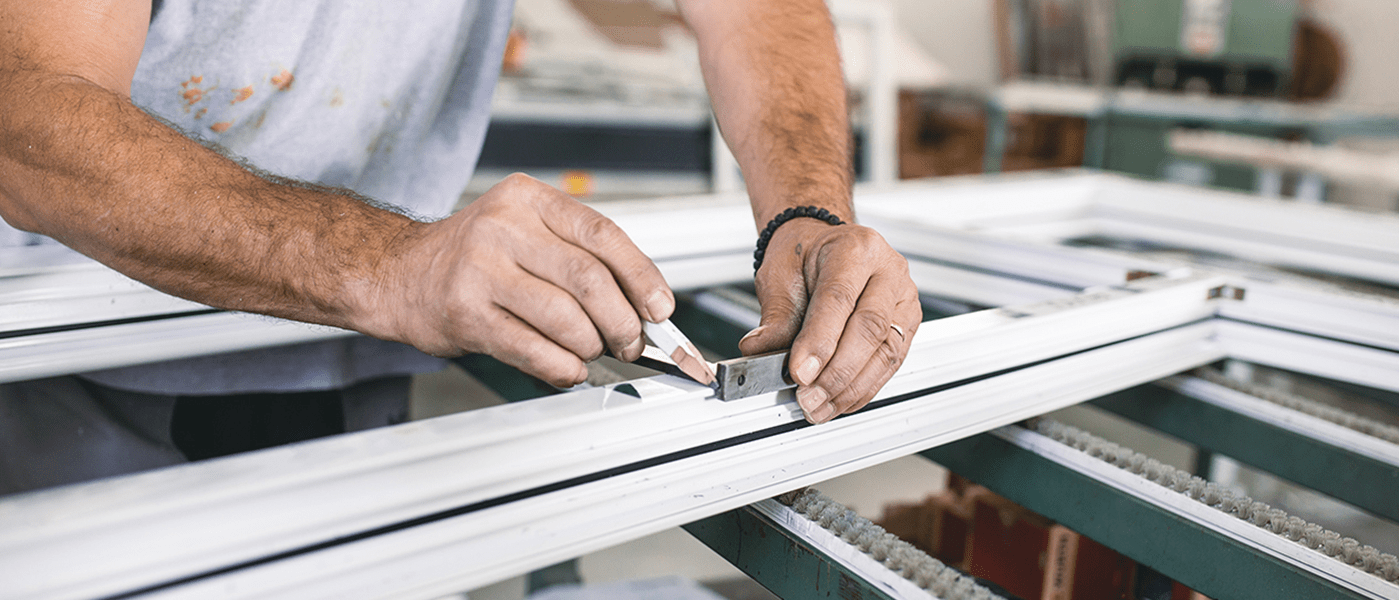
Spring Hill, a vibrant community in Hernando County, Florida, offers a mix of suburban life and natural beauty, with its proximity to the Gulf Coast and an array of parks and recreational activities. In this growing area, selecting impact windows is a crucial decision for homeowners. Facing the potential for hurricanes and tropical storms, impact windows in Spring Hill provide essential protection, enhance energy efficiency, and complement the aesthetic of the area’s homes.
Why Impact Windows are Important in Spring Hill
Given its Gulf Coast location, Spring Hill is susceptible to the impacts of severe weather, necessitating reliable solutions to protect its residential properties. Impact windows offer a solid defense against high winds and flying debris, ensuring safety and peace of mind for the community.
Benefits of Impact Windows in Spring Hill
- Superior Weather Protection: Designed to withstand the rigors of hurricane season, impact windows are indispensable for homes in Spring Hill.
- Increased Home Security: These windows add an additional layer of security, crucial for safeguarding Spring Hill’s neighborhoods.
- Energy Efficiency: By maintaining stable indoor temperatures, impact windows help reduce cooling costs, a significant advantage in Florida’s warm climate.
- Noise Reduction: Their soundproofing features offer a quieter living environment, perfect for Spring Hill’s tranquil setting.
- UV Protection: Protecting home interiors from sun damage, impact windows are key to preserving the value and aesthetics of properties.
Selecting Impact Windows for Spring Hill Homes
Considerations include:
- Durability and Code Compliance: Opt for windows that meet or exceed local and state standards, ensuring suitability for Spring Hill’s environmental conditions.
- Aesthetic Fit: Choose styles that enhance the architectural diversity of Spring Hill, maintaining the community’s visual appeal.
- Professional Installation: Expert installation is crucial to ensure the effectiveness and longevity of the windows.
Local Building Regulations and Incentives
Residents should familiarize themselves with Spring Hill’s specific regulations for impact windows. Additionally, exploring incentives for energy-efficient home improvements can offer further advantages.
A Smart Investment in Spring Hill
Opting for impact windows in Spring Hill is not merely about storm protection; it’s about enhancing the quality of life, energy efficiency, and property values in this welcoming community.
For homeowners in Spring Hill, installing impact windows is a wise and beneficial decision. It reflects the community’s commitment to safety, comfort, and sustainable living. These windows provide a combination of protection, energy efficiency, and aesthetic enhancement, contributing positively to the community’s quality of life.
If you’re in Spring Hill and considering impact windows for your home, Bigfoot Windows and Doors is here to assist. We specialize in providing high-quality window solutions tailored to meet the unique needs of Spring Hill’s homes. Contact us today to learn how we can help enhance the safety, efficiency, and beauty of your residence.
Brands We Represent








Spring Hill Homeowners: What’s Different Here
Spring Hill sits in Hernando County on Florida’s Nature Coast, roughly 45 miles north of Tampa. Unlike the densely populated barrier islands of South Florida, Spring Hill is largely an inland residential community — home to sprawling single-family neighborhoods built primarily between the 1970s and 1990s. That housing stock matters when it comes to impact windows. Many of those older homes still have single-pane aluminum frames with no meaningful wind or water protection, which means the upgrade to impact glass is both more impactful and often more straightforward structurally than retrofitting a newer or more architecturally constrained property.
From a wind-zone standpoint, Spring Hill falls under the Florida Building Code’s standard wind speed requirements for Hernando County — not the High-Velocity Hurricane Zone (HVHZ) that governs Miami-Dade and Broward Counties. That distinction changes the product approval pathway. Instead of requiring Miami-Dade NOA (Notice of Acceptance), Spring Hill installations must use windows that carry standard Florida Product Approval through the Florida Building Commission. This is a meaningful difference: it opens up a broader product catalog, but it also means homeowners need a contractor who knows which approvals apply where — and won’t accidentally spec a Miami-Dade-only product in a non-HVHZ jurisdiction.
Homeowners in Spring Hill’s many deed-restricted communities or HOA-governed neighborhoods should also factor in architectural review requirements before signing a contract. Some HOAs in the area specify approved frame colors (bronze, white, or mill-finish aluminum are common), restrict visible grid patterns on glass, or require that windows match the existing look of the home. These rules don’t prevent impact window installation — they just add a step. Bigfoot walks homeowners through that process upfront so there are no surprises after the permit is pulled.
Common Misconceptions About Impact Windows in Spring Hill
Myth: “Spring Hill is inland, so I don’t really need impact windows.”
Reality: Impact windows aren’t only about storm surge and coastal flooding. They address wind-driven rain, windborne debris, and structural pressure from rotating storm systems — all of which affect inland Hernando County. Spring Hill has experienced tropical storm-force winds from storms that made landfall well south of it. Beyond storms, impact glass provides year-round benefits: sound reduction from traffic and neighbors, improved energy efficiency, and meaningful deterrence against break-ins. The “coastal-only” assumption leads many inland homeowners to defer an upgrade that would genuinely improve their home.
Myth: “Impact windows are too expensive compared to hurricane shutters.”
Reality: The upfront cost of impact windows is higher than accordion shutters or panels, but the comparison isn’t apples-to-apples. Shutters require manual deployment — every storm season, before every storm threat. Impact glass is always active. Over time, the maintenance cost of shutters (motor repairs, panel replacement, storage) erodes much of that initial savings. Impact windows also add measurable resale value and can reduce homeowners insurance premiums — consult your carrier for specifics, since discounts vary by policy.
Myth: “Any window rated for impact will work in my home.”
Reality: Product approval is jurisdiction-specific, and installation method matters as much as the product itself. A window that passes testing in one configuration may fail if installed differently. Florida’s product approval system requires that the installation follow the tested assembly exactly — the right anchor spacing, the right substrate, the right glazing compound. A licensed glazing contractor like Bigfoot (license SCC131153098) installs to the tested method and documents it for the permit — which protects the homeowner if there’s ever a claim.
Myth: “I can skip the permit if I’m just replacing existing windows.”
Reality: Florida law requires a building permit for every impact window installation, regardless of whether you’re replacing existing windows or adding new ones. There are no exceptions for like-for-like swaps. Unpermitted work can surface during a home sale, void your homeowners insurance claim after a storm, or trigger a stop-work order that halts the entire project. Permits exist to protect you — a passed inspection means a third-party reviewer confirmed the installation meets code.
Florida Product Approval: What Spring Hill Homeowners Need to Know
Because Spring Hill and the broader Hernando County area fall outside Florida’s High-Velocity Hurricane Zone, installations here operate under the standard Florida Building Code product approval process rather than the stricter Miami-Dade NOA (Notice of Acceptance) pathway. The Florida Product Approval system, administered by the Florida Building Commission, requires that impact windows be tested to the applicable ASTM standards for large and small missile impact, cyclic wind pressure, and water infiltration. Every approved product receives a Florida Product Approval number, and that number must appear on the permit application. If a contractor can’t produce a valid approval number for the product they’re proposing to install, that’s a red flag.
The practical implication for Spring Hill homeowners is that the product catalog is broad — many manufacturers produce windows approved under the standard Florida pathway that are well-suited to Hernando County’s wind speed requirements. What matters is that the product’s approval covers the design pressure (DP) rating required for your specific home, based on its location, height, and opening size. Bigfoot’s estimators calculate the required DP rating for each opening before specifying a product, ensuring the installed window meets the code requirement for your specific home — not just a generic regional standard.
Impact Window Permits in Spring Hill: What to Expect
Every impact window installation in Spring Hill requires a building permit — no exceptions. The permitting authority for unincorporated Spring Hill is the Hernando County Building Division, reachable at hernandocounty.us/building-division or by phone at (352) 754-4050. The permit process involves submitting product approval documentation, a site plan showing the affected openings, and installation drawings that match the tested assembly. Once the permit is issued, a field inspection is required after installation is complete. The inspector verifies that the installation matches the permitted method — anchor spacing, frame attachment, and glazing details are all reviewed.
For any project exceeding $2,500 in value — which includes virtually all impact window installations — Florida Statute 713.135 requires that a Notice of Commencement (NOC) be filed with the Hernando County Clerk of Courts before work begins. The NOC establishes the legal record of the project and protects homeowners in the event of lien disputes with subcontractors or suppliers. Failing to file before work starts can create title complications. Permit fees apply and vary depending on project scope; Hernando County’s Building Division can provide current fee schedules.
Bigfoot handles the entire permit process on behalf of the homeowner. We prepare and submit the permit application, file the Notice of Commencement, coordinate the inspection schedule, and provide the homeowner with the final signed-off permit for their records. You will never need to visit the Hernando County Building Division or navigate the permitting portal yourself. This is standard for every Bigfoot project — not an add-on service.
Frequently Asked Questions: Impact Windows in Spring Hill
Do I need a permit to install impact windows in Spring Hill?
Yes. Florida law requires a building permit for every impact window installation, including replacements of existing windows. The permit is pulled through the Hernando County Building Division and requires a post-installation inspection. There are no permit-exempt scenarios for impact glass installation on a residential home. Bigfoot handles the full permitting process — you don’t need to contact the building department or file paperwork yourself.
Do I need HOA approval before installing impact windows in Spring Hill?
If your home is in a deed-restricted community or HOA, you very likely need architectural review committee (ARC) approval before installation begins — separate from and in addition to the county building permit. HOA requirements typically address frame color, glass appearance, and how the windows look from the street. We recommend reviewing your HOA’s architectural guidelines early in the process. Bigfoot can help you understand what documentation your HOA may request, but the approval itself is between you and your association.
Can impact windows replace hurricane shutters in Spring Hill?
Yes. Once impact windows are installed and permitted, you no longer need to deploy shutters for storm protection. The windows are a passive, always-active system — they meet the Florida Building Code’s opening protection requirements without any action on your part before a storm. Many Spring Hill homeowners make this switch specifically to eliminate the seasonal effort of managing shutters, particularly on larger or multi-story homes where shutter deployment is physically demanding.
Does Bigfoot serve Spring Hill even though it’s based in South Florida?
Yes. Bigfoot Windows & Roofing holds a Florida General Contractor license (CGC1531370) and a Glazing Contractor license (SCC131153098) that cover the full state of Florida, including Hernando County. We serve Spring Hill and the surrounding Nature Coast region. One advantage of working with Bigfoot is that we hold both glazing and roofing licenses — if your project involves coordinating window installation with roofline work or soffit repairs, we can manage both under one contract rather than requiring you to coordinate multiple trades.
Ready for a free estimate? Call 786-886-2088 — licensed under CGC1531370 and CRC1331693, serving Spring Hill and all of Hernando County.