
South Florida Roofing Company | Hurricane-Resistant Roofs Miami-Dade
When it comes to protecting your South Florida home from hurricanes, tropical storms, and intense UV exposure, choosing the right roofing company makes all the difference. As a licensed Florida General Contractor, Roofing Contractor, and Glazing Contractor serving Miami-Dade, Broward, and Palm Beach counties, we understand the unique challenges that South Florida’s climate presents to homeowners.
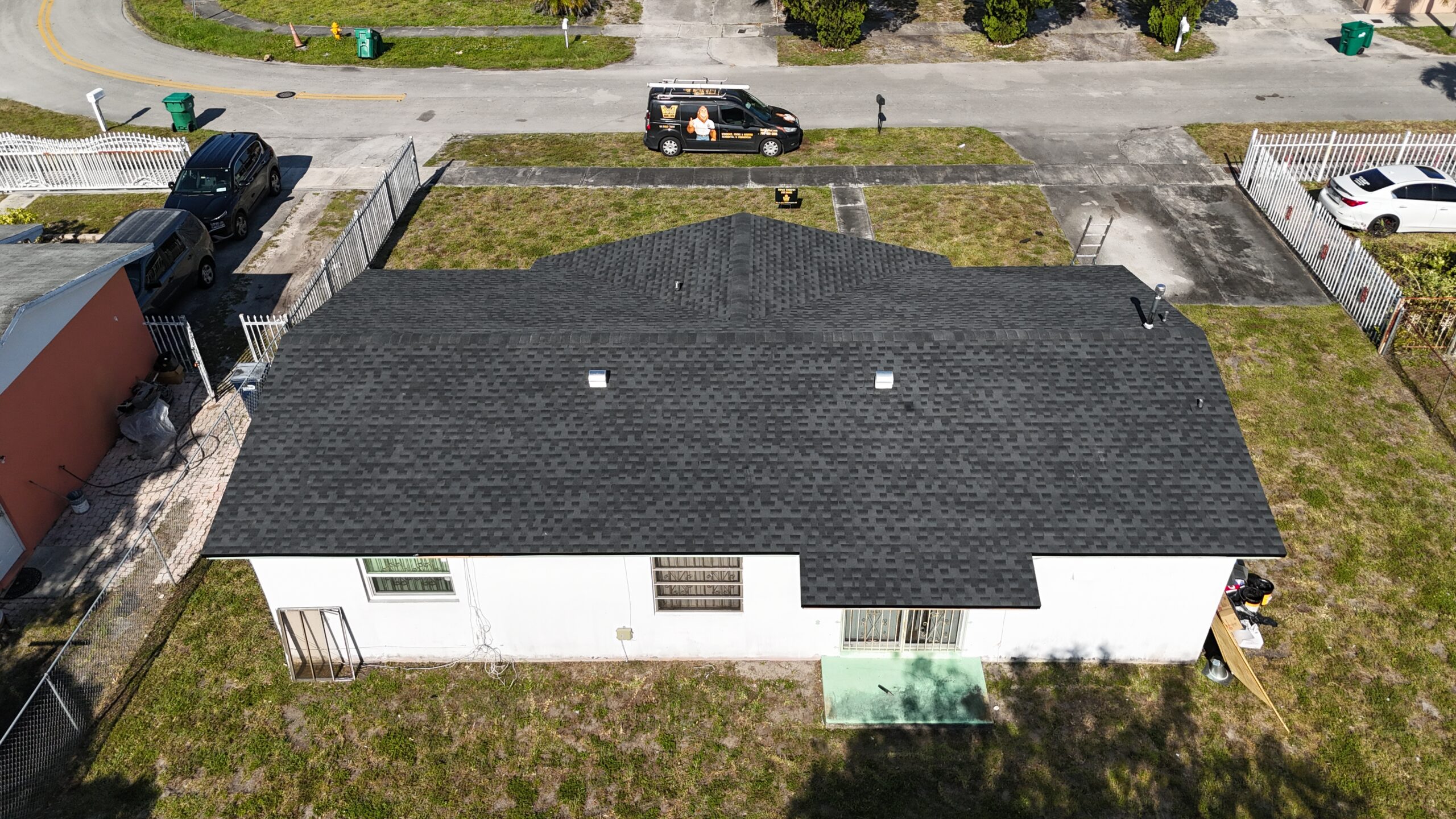
Your roof is your home’s first line of defense against Mother Nature’s fury. In a region where wind speeds can exceed 185 mph during major hurricanes, having a properly installed, code-compliant roof isn’t just important—it’s essential for your family’s safety and your property’s protection.
Understanding South Florida’s Unique Roofing Requirements
South Florida’s roofing requirements are among the strictest in the nation, and for good reason. The region faces unique environmental challenges that demand specialized knowledge and materials.
High Velocity Hurricane Zone (HVHZ) Compliance
Miami-Dade and portions of Broward County fall within the High Velocity Hurricane Zone (HVHZ), where building codes are even more stringent. HVHZ-compliant roofing systems must:
- Withstand wind speeds of at least 175 mph
- Pass rigorous impact testing with large and small missiles
- Meet specific attachment requirements for decking and structural connections
- Include hurricane straps and enhanced fastening systems
Florida Building Code Requirements
Throughout South Florida, all roofing work must comply with the Florida Building Code (FBC), which includes:
| Requirement | Miami-Dade | Broward | Palm Beach |
|---|---|---|---|
| Wind Speed Rating | 175+ mph (HVHZ areas) | 150+ mph | 130+ mph |
| Impact Rating | Large missile required | Varies by location | Basic impact protection |
| Permit Required | Yes | Yes | Yes |
| Inspection | Multiple inspections | Multiple inspections | Multiple inspections |
Best Roofing Materials for South Florida Hurricanes
Not all roofing materials are created equal when it comes to hurricane resistance. Here’s what works best in our challenging climate:
Metal Roofing
Metal roofing systems offer superior hurricane protection and energy efficiency:
- Wind Resistance: Can withstand winds up to 200+ mph when properly installed
- Impact Resistance: Excellent protection against flying debris
- Energy Efficiency: Reflects heat, reducing cooling costs by up to 25%
- Longevity: 40-70 year lifespan with minimal maintenance
Learn more about our Metal Roofing Installation Services and see why metal is becoming the top choice for South Florida homeowners.
Concrete and Clay Tile
Popular in South Florida for their durability and aesthetic appeal:
- Hurricane Resistance: Heavy weight provides excellent wind uplift resistance
- Heat Reflection: Natural thermal properties keep homes cooler
- Longevity: Can last 50+ years with proper installation
- Variety: Multiple styles and colors to match architectural preferences
Modified Bitumen and TPO (Flat Roofs)
For commercial buildings and modern residential designs:
- Wind Uplift Ratings: Available in various ratings to meet code requirements
- Cool Roof Options: White and reflective surfaces reduce heat absorption
- Installation Flexibility: Can accommodate roof equipment and drainage systems
Explore our Commercial Roofing Solutions for flat roof options that meet Florida’s demanding requirements.
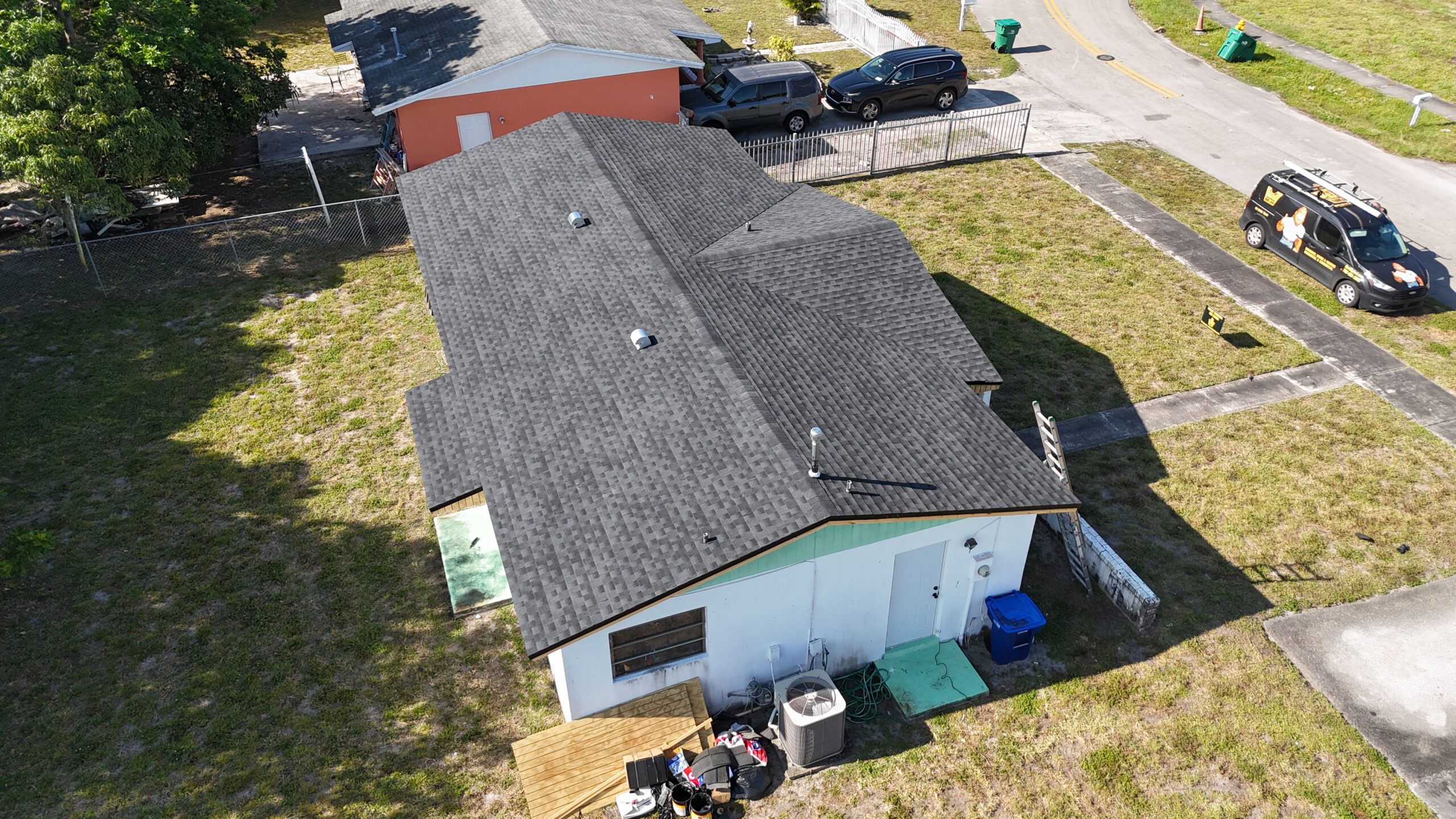
Energy Efficient Roofing Options for Florida’s Heat
With average summer temperatures exceeding 90°F and intense UV exposure year-round, energy efficiency is crucial for South Florida roofing systems.
Cool Roof Technology
Cool roofs can reduce surface temperatures by 50-60°F compared to traditional roofing:
- Reflective Coatings: Specially formulated to reflect solar radiation
- Light-Colored Materials: White and light-colored shingles and tiles
- Thermal Barriers: Radiant barrier sheathing under roofing materials
Proper Ventilation Systems
Adequate ventilation prevents heat buildup and moisture problems:
- Ridge vents for continuous exhaust
- Soffit vents for fresh air intake
- Powered exhaust fans for enhanced airflow
- Proper insulation to prevent thermal bridging
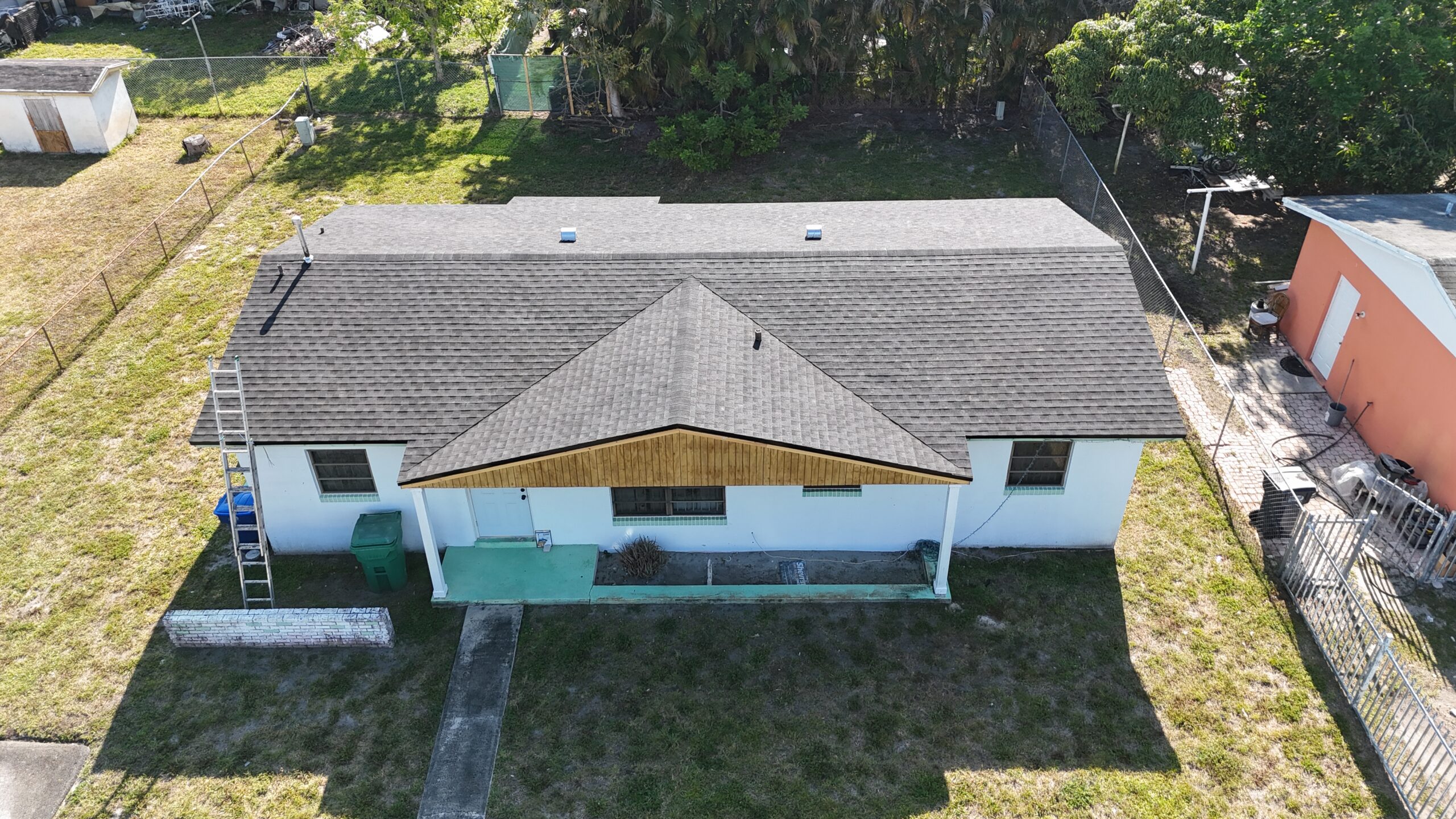
Storm Damage Restoration and Emergency Services
Hurricane season runs from June through November, and storm damage can occur with little warning. When disaster strikes, quick response is critical to prevent further damage to your home.
Emergency Response Process
Our emergency roofing services include:
- Immediate Assessment: 24-hour response for storm damage evaluation
- Temporary Protection: Emergency tarping and weatherproofing
- Documentation: Detailed damage assessment for insurance claims
- Permanent Repairs: Complete restoration using code-compliant materials
Common Storm Damage Issues
- Missing or damaged shingles and tiles
- Compromised flashing around penetrations
- Damaged gutters and downspouts
- Structural damage to decking and trusses
- Water intrusion and interior damage
If you’ve experienced storm damage, contact our 24/7 Emergency Roofing Services team immediately for rapid response and professional restoration.
Insurance Claims Assistance
Navigating insurance claims after storm damage can be overwhelming. As experienced roofing contractors, we help homeowners through every step of the process:
What We Provide
- Detailed Documentation: Comprehensive damage reports with photos and measurements
- Scope of Work: Detailed repair specifications for insurance adjusters
- Code Compliance: Ensure all repairs meet current building codes
- Communication: Direct coordination with insurance companies and adjusters
Maximizing Your Claim
Many homeowners unknowingly accept partial settlements. We help ensure you receive fair compensation for:
- All visible and hidden damage
- Code upgrade requirements
- Matching materials when partial replacement isn’t viable
- Additional living expenses during repairs
Roof Replacement Timeline and Process in South Florida
Understanding the roof replacement process helps homeowners prepare for this significant investment.
Typical Timeline
| Phase | Duration | Key Activities |
|---|---|---|
| Initial Inspection | 1-2 hours | Assessment, measurements, material selection |
| Permit Application | 2-4 weeks | Plans submission, permit approval |
| Material Ordering | 1-3 weeks | Special orders, delivery scheduling |
| Installation | 2-5 days | Tear-off, decking repair, new roof installation |
| Final Inspection | 1 day | Building department approval, cleanup |
Structural Modifications and Opening Changes
Unlike many roofing contractors who subcontract structural work, we handle all aspects of your project in-house. This includes:
- Adding skylights or roof windows
- Installing hurricane straps and ties
- Reinforcing roof structures for heavy tile
- Modifying roof lines for additions
- Installing roof-mounted equipment supports
Planning a complete roof replacement? Read our comprehensive guide to Roof Replacement Process & What to Expect for detailed information about each step.
Licensing and Credentials: What to Look For
Florida requires specific licensing for roofing work, and choosing a properly licensed contractor protects homeowners from liability and ensures quality work.
Required Licenses
- State Roofing Contractor License: Required for all roofing work in Florida
- General Contractor License: Necessary for structural modifications
- Glazing Contractor License: Required for skylight and window installations
- Local Business License: Municipal permits for each service area
Insurance Requirements
Legitimate roofing contractors must carry:
- General liability insurance ($1 million minimum)
- Workers’ compensation coverage
- Bonding for consumer protection
- Commercial vehicle insurance
Roof Maintenance in South Florida’s Climate
Regular maintenance extends roof life and prevents costly emergency repairs. In South Florida’s harsh environment, annual inspections are essential.
Seasonal Maintenance Checklist
Before Hurricane Season (March-May)
- Inspect and clean gutters and downspouts
- Check flashing around chimneys and vents
- Examine shingles or tiles for loose or damaged pieces
- Clear debris from roof surfaces
- Inspect attic for signs of leaks or pest intrusion
After Hurricane Season (December-February)
- Document any storm damage for insurance claims
- Replace damaged or missing materials
- Check for water stains on ceilings and walls
- Inspect and repair caulking around penetrations
Signs You Need Professional Attention
Call a licensed roofing contractor immediately if you notice:
- Water stains on ceilings or walls
- Missing or cracked shingles or tiles
- Granules in gutters (asphalt shingle deterioration)
- Sagging roof lines
- Daylight visible through roof decking
- Increased energy bills (poor insulation/ventilation)
Don’t wait for problems to worsen. Schedule your Professional Roof Inspection Services today to catch issues early and save on costly repairs.
Frequently Asked Questions About South Florida Roofing
How often should I replace my roof in South Florida?
Most roofs in South Florida need replacement every 15-25 years, depending on the material and exposure to storms. Metal roofs can last 40-70 years, while asphalt shingles typically last 15-20 years in our harsh climate. However, severe storm damage may require earlier replacement regardless of age.
What’s the difference between HVHZ and standard Florida building codes?
High Velocity Hurricane Zone (HVHZ) codes apply to Miami-Dade and parts of Broward County, requiring wind resistance of 175+ mph versus 130-150 mph in other areas. HVHZ also mandates impact testing with large missiles and stricter attachment requirements for all roofing components.
How much does a hurricane-resistant roof cost in South Florida?
Hurricane-resistant roofing systems typically cost 20-40% more than standard installations, ranging from $8-15 per square foot for asphalt shingles to $12-25 per square foot for metal or tile systems. However, insurance discounts and storm damage prevention often offset the initial investment within 5-10 years.
Can I install solar panels on a hurricane-resistant roof?
Yes, solar panels can be installed on hurricane-resistant roofs, but they must meet the same wind and impact requirements. The mounting systems require special hurricane-rated hardware and may need structural reinforcement. Our glazing contractor license allows us to handle solar installations that comply with Florida codes.
What should I do immediately after hurricane damage to my roof?
First, ensure your family’s safety and avoid going on the roof. Document damage with photos from the ground, place buckets under active leaks, and contact a licensed roofing contractor for emergency tarping services. Report the damage to your insurance company within 24-48 hours and avoid permanent repairs until an adjuster inspects the damage.
How long does roof replacement take during hurricane season?
During peak hurricane season (August-October), roof replacement can take longer due to high demand and weather delays. Expect 4-8 weeks from contract signing to completion, compared to 2-4 weeks during off-season. We recommend scheduling replacements in spring or early summer when possible.
Do I need permits for roof repairs in South Florida?
Yes, most roof repairs beyond simple maintenance require permits in Miami-Dade, Broward, and Palm Beach counties. Any structural work, material replacement, or repairs over a certain dollar amount need permits and inspections. We handle all permitting as part of our service to ensure code compliance.
Protect Your South Florida Home with Expert Roofing Services
Don’t leave your family’s safety to chance. When hurricane season arrives, you need a roof that’s built to withstand South Florida’s most severe weather conditions. At Bigfoot Windows & Roofing, our triple licensing as General, Roofing, and Glazing Contractors means we handle every aspect of your roofing project with the expertise and attention to detail your home deserves.
From emergency storm repairs to complete roof replacements, our experienced team understands the unique challenges of South Florida’s climate. We use only the highest-quality, code-compliant materials and stand behind our work with comprehensive warranties.
Ready to protect your investment? Contact Bigfoot Windows & Roofing today for a free consultation and detailed roof assessment. Our licensed professionals will evaluate your current roof, explain your options, and provide a comprehensive estimate for hurricane-resistant roofing solutions tailored to your home and budget.
Call us now at 786-886-2088 or request your free estimate online. Don’t wait for the next storm to test your roof’s limits – ensure your family’s protection with a professionally installed, hurricane-resistant roofing system from South Florida’s most trusted roofing experts.