Key Takeaways
- DP rating (design pressure) determines whether a window actually passes Miami-Dade or HVHZ code — a lower DP costs less but may fail inspection.
- Aluminum frames outperform vinyl in South Florida heat, UV, and salt-air conditions over the long term.
- Low-E glass packages vary widely — SB 70 / Climate Guard 6227 blocks more heat than builder-grade coatings.
- Entry-level product models carry the same brand name as flagship lines — verify the series number, not just the brand.
- A quote missing a permit line is not a real all-in price. Always ask what is excluded.
- The lowest bid and the highest bid for the same opening often reflect completely different products.
The Problem
Three Quotes, Three Wildly Different Numbers
Same house, same openings — bids apart by $4,000, $8,000, or more. Here is why.
Impact window quotes in Miami vary by thousands of dollars because the underlying products are different — different DP ratings, frame materials, glass packages, and whether the permit is included. Two bids that both say “impact windows” can describe completely different products, and choosing the wrong one can mean a failed inspection, a voided warranty, or a frame that warps within five years.
You did everything right. You called three contractors, scheduled three in-home visits, and now you are staring at three proposals that look nothing alike. One is $12,000. One is $17,500. One is $21,000. All three claim to be impact windows for the same Miami-Dade home.
The temptation is to pick the middle number and call it a day. That instinct can cost you — either in failed inspections, a warranty that evaporates, or a product that warps and leaks within five years. Before you sign anything, you need to understand what actually explains those numbers.
South Florida Context
Why Miami-Dade Quotes Are Not Like Anywhere Else
Miami-Dade and Broward counties sit inside the High-Velocity Hurricane Zone (HVHZ) — the strictest residential wind-load jurisdiction in the United States. Products installed here must carry either a Miami-Dade Notice of Acceptance (NOA) or a Florida Product Approval that specifically covers HVHZ conditions. A window approved for Orlando or Tampa is not automatically approved for Miami.
That distinction matters to your quote. A contractor sourcing windows without an HVHZ-valid NOA or a Florida Product Approval that covers HVHZ use is either planning to pull a permit and fail inspection, or planning not to pull a permit at all. Both outcomes hurt you as the homeowner. When you compare impact window options for South Florida, HVHZ compliance is a non-negotiable baseline, not a premium feature.
What Drives the Price Gap
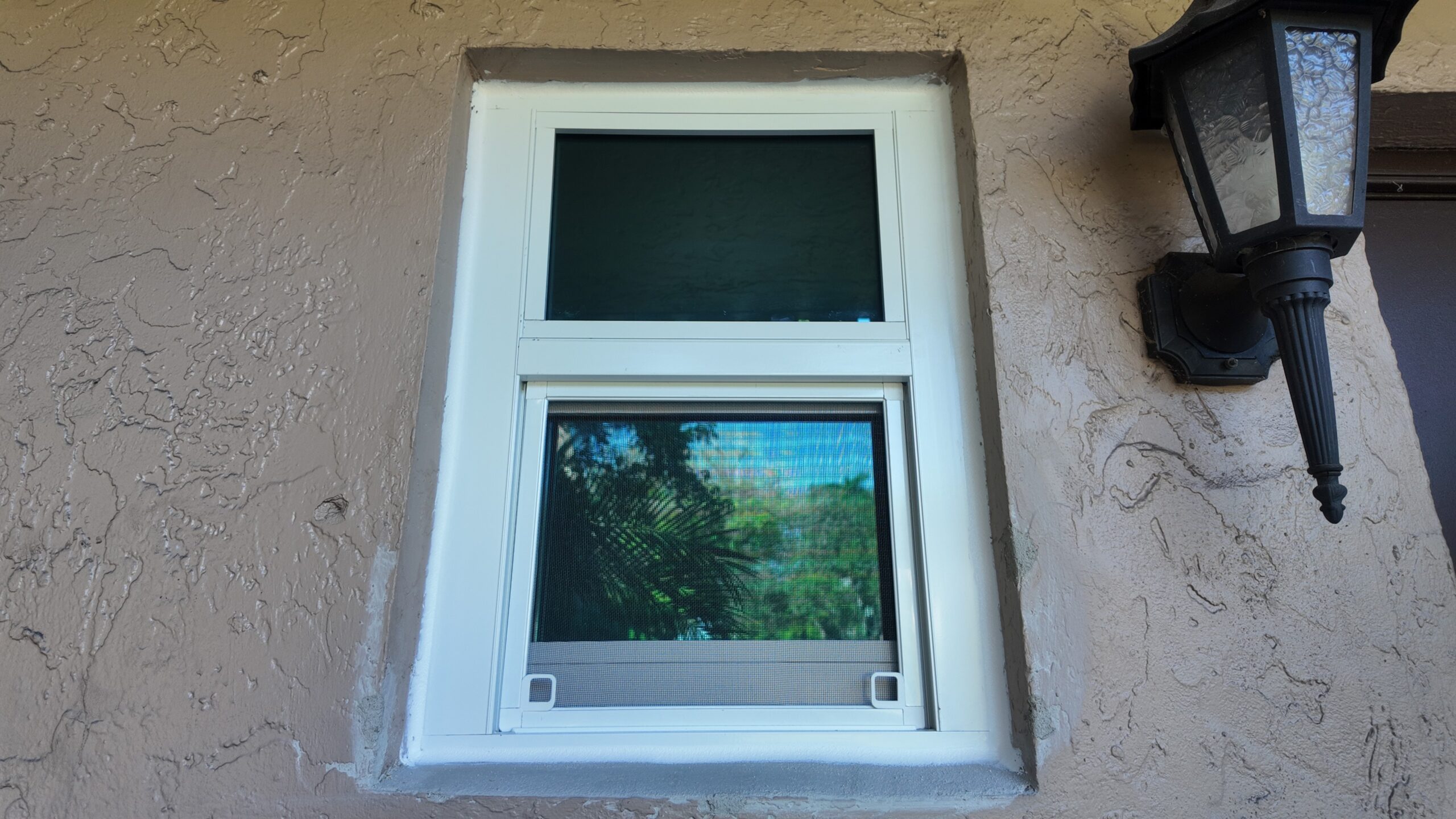
Five Real Reasons Impact Window Quotes Differ
These are the variables that actually separate a $12,000 bid from a $21,000 bid.
1. Design Pressure (DP) Rating
Design pressure measures the wind load a window is tested and rated to withstand, expressed in pounds per square force (psf). Common residential ratings run from DP-50 to DP-90 and above. In HVHZ locations, many openings — especially large picture windows or second-floor exposures — require a higher DP rating to pass the Florida Building Code. A window rated DP-50 costs less than one rated DP-70 or DP-90. A contractor who quotes you DP-50 windows on openings that require DP-70 is giving you a number that will not survive permit and inspection. Always ask: what DP rating are you quoting, and has it been verified against my specific openings?
2. Frame Material: Aluminum vs. Vinyl
In South Florida conditions — intense UV, salt air, 90°F+ summers — aluminum frames have a significantly longer track record than vinyl. Vinyl can expand and contract more aggressively in extreme heat, which affects seal integrity over time. Thermally broken aluminum (frames with a thermal barrier inside the extrusion) improves energy performance without sacrificing structural integrity. Bigfoot Windows & Roofing recommends aluminum frames for Miami-Dade installations; we install Mr. Glass and ES Windows lines, both aluminum. A vinyl quote is typically cheaper upfront. Whether it remains cheaper after five years of coastal weather is a different question.
3. Glass Package and Low-E Coating
Impact glass comes in multiple thicknesses — 5/16" (builder grade), 7/16" (standard mid), and 9/16" (high-rise and heavy-duty). The Low-E coating on the glass affects how much solar heat enters your home. SB 70 is our primary recommendation: it provides strong heat-blocking performance with a dark green tint. Climate Guard 6227 is spectrally equivalent to SB 70 and is available as a complimentary upgrade on whole-house replacements. A quote with builder-grade 5/16" glass and no Low-E coating is a structurally different product than one with 9/16" glass and SB 70 — even if both call themselves "impact windows."
4. The Entry-Level Model Smokescreen
Most manufacturers offer multiple series under one brand name. With Mr. Glass, for example, the Series 350 is a residential-only builder unit — never appropriate for condos, high-rise, or commercial buildings. The Series 200 (single-hung flagship) and Series 300 (horizontal roller flagship) are tested to 80/80 psf and are high-rise capable. A contractor can truthfully say "we install Mr. Glass" and quote you Series 350 windows. Ask for the series number, not just the brand. If a quote does not specify the series, ask before you compare it to a bid that does.
5. Permit and Scope Line Items
Impact window installation in Miami-Dade requires a permit. The permit fee, drawings, and inspection costs are real line items. A quote that excludes permit costs looks cheaper — until you are the one funding a $600–$1,200 permit at the last minute. Ask each contractor: does this price include the permit, the inspection, and all required drawings? If a scope change is needed — say, a structural header or hurricane strap — a contractor authorized to coordinate multi-trade scope can handle that in-house rather than stopping the job and waiting for another crew. That kind of continuity is a structural advantage worth asking about.
| Variable | Lower-Cost Quote | Higher-Cost Quote |
|---|---|---|
| DP Rating | DP-50 (may not meet HVHZ) | DP-70 to DP-90 (verified per opening) |
| Frame Material | Vinyl or thin-wall aluminum | Aluminum or thermally broken aluminum |
| Glass Thickness | 5/16" builder grade | 7/16" or 9/16" impact glass |
| Low-E Coating | None or basic | SB 70 / Climate Guard 6227 |
| Series Model | Entry-level (e.g., Series 350) | Flagship (Series 200/300/400) |
| Permit Included | Often excluded | Included and itemized |
Side-by-Side Comparison
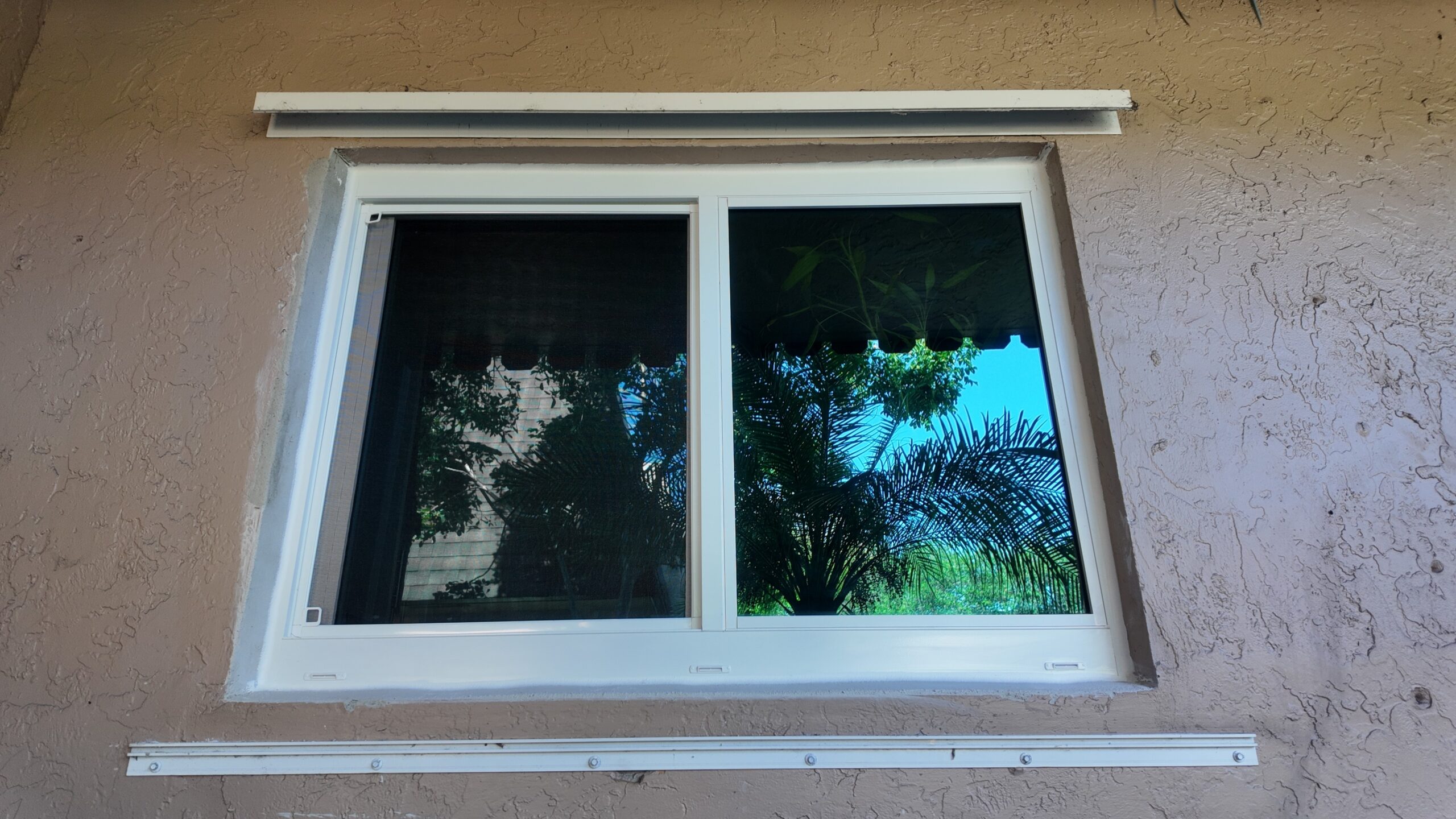
Aluminum vs. Vinyl Impact Frames in South Florida
This is not a national comparison — it is specific to Miami-Dade heat, humidity, and salt air.
| Factor | Vinyl Frame | Aluminum Frame (Bigfoot Recommendation) |
|---|---|---|
| Heat / UV performance | Can soften, warp over time in HVHZ | More time-tested in 90°F+ coastal conditions |
| Salt-air resistance | Generally resistant to corrosion | 2605 finish required within 2 miles of water |
| Structural rigidity | Lower rigidity at high DP ratings | Holds geometry at DP-70 to DP-90+ |
| Energy efficiency | Moderate (non-thermally broken) | Thermally broken aluminum = best of both |
| Upfront cost | Lower | Higher — but scope matches South Florida conditions |
| HVHZ track record | Limited long-term data in HVHZ | Aluminum dominant in South Florida market |
When vinyl may be the better fit: If you are in an interior county without HVHZ designation, on a very tight budget, and replacing windows in a structure with no salt-air exposure, vinyl can be a reasonable choice. In Miami-Dade or Broward coastal zones, aluminum is our recommendation — and it is the frame we install.
Why It Matters Who Pulls the Permit
License Breadth Changes What a Contractor Can Fix Mid-Job
A licensed contractor, not a lead aggregator — four active Florida licenses under one roof.
“When we find a structural issue mid-installation — a rotted buck, a header that needs reinforcement — we don’t stop the job and hand you a phone number. We handle it. That continuity comes from having the right licenses in-house.”
Darryl Henry Rosenbaum
President, Bigfoot Windows & Roofing
What We Install
The Products Behind Our Quotes
Bigfoot Windows & Roofing installs Mr. Glass (primary) and ES Windows (secondary) — both aluminum frame lines with Florida Product Approval. Mr. Glass Series 200 and Series 300 are our flagship residential lines, tested to 80/80 psf and high-rise capable. Casement models come with stainless steel hardware as standard — not an upgrade. The Series 1000 sliding glass door ships with 9/16" glass as standard.
For coastal installations within two miles of the waterfront, we specify the 2605 finish — the 2604 wood-grain finish loses its 10-year warranty in salt-air exposure, and we will not quote it for those locations. Our impact door installations follow the same glass and finish specifications.
Mr. Glass carries a 10-year product warranty (effective October 2025). Bigfoot Windows & Roofing backs installations with a 10-year workmanship warranty. When you review a quote, ask the competing contractor what warranties they can put in writing — product and labor, separately.
How to Compare Bids Fairly
A Five-Point Checklist Before You Sign Anything
- Verify the DP rating per opening. Ask the contractor to confirm the DP rating for each window — not just an average. Larger openings and corner exposures often require higher ratings.
- Confirm the series model number. Get the exact series name and number in writing. Compare series to series, not brand to brand.
- Ask what glass package is included. 5/16" with no Low-E is not the same product as 9/16" with SB 70. If the quote is silent on glass specs, ask.
- Check whether the permit is included. A permit-excluded quote will always look cheaper. Add the permit cost back before comparing totals.
- Ask about structural scope. If the opening needs header work, buck replacement, or hurricane strap correction, who handles it? A contractor with Certified General Contractor (CGC1531370) authority can pull structural permits and handle that scope in-house — which prevents project delays when unexpected structural conditions arise during installation.
For homeowners using financing options like PACE, note that roofing and window projects require separate applications — they cannot be combined into one PACE loan. Plan your budget accordingly.
Get a quote that shows exactly what you are buying — glass specs, DP rating, permit, and warranty in writing.
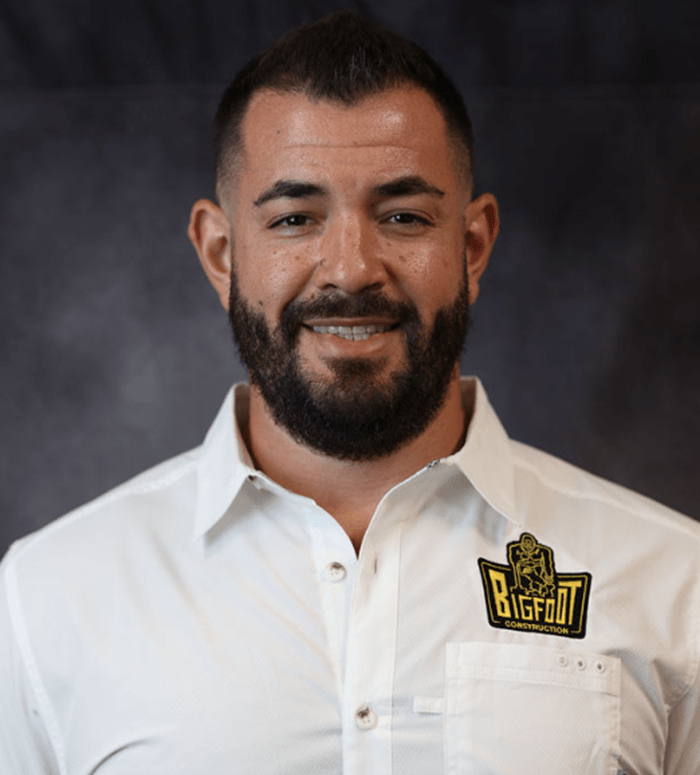
Written by Darryl Henry Rosenbaum, Founder of Bigfoot Windows & Roofing.
Darryl Henry Rosenbaum, doing business as Bigfoot Windows and Roofing, holds four active Florida licenses recognized by the Florida Department of Business and Professional Regulation (DBPR): Certified General Contractor (CGC1531370), Certified Residential Contractor (CRC1331693), Certified Roofing Contractor (CCC1333168), and Certified Specialty Contractor with a Glass & Glazing Specialty (SCC131153098).
Who We’re Not the Right Fit For
- Homeowners looking for the lowest possible number with no questions asked. If the goal is to find the cheapest bid and close quickly, we are probably not the right contractor. Our quotes itemize glass specs, DP ratings, permit costs, and warranty terms — that level of detail takes longer to produce and the all-in price reflects the full scope.
- Projects where vinyl windows are the preferred product. We install aluminum frames. If you have already decided on vinyl and are not open to a conversation about frame material, we are not the right fit.
- Homeowners outside Miami-Dade, Broward, and Palm Beach counties. We serve South Florida. If your project is north of our service area, we are not the right call.
- Very small single-window replacements on tight timelines. Our process includes permitting and inspection. If you need one window swapped in 48 hours without a permit, that is not how we work — and it is not how legal impact window installation in HVHZ works either.
Frequently Asked Questions
Why are impact window quotes so different for the same house?
Quotes differ because the underlying products are different.