
How to Check if a Florida Contractor Has Proper Insurance
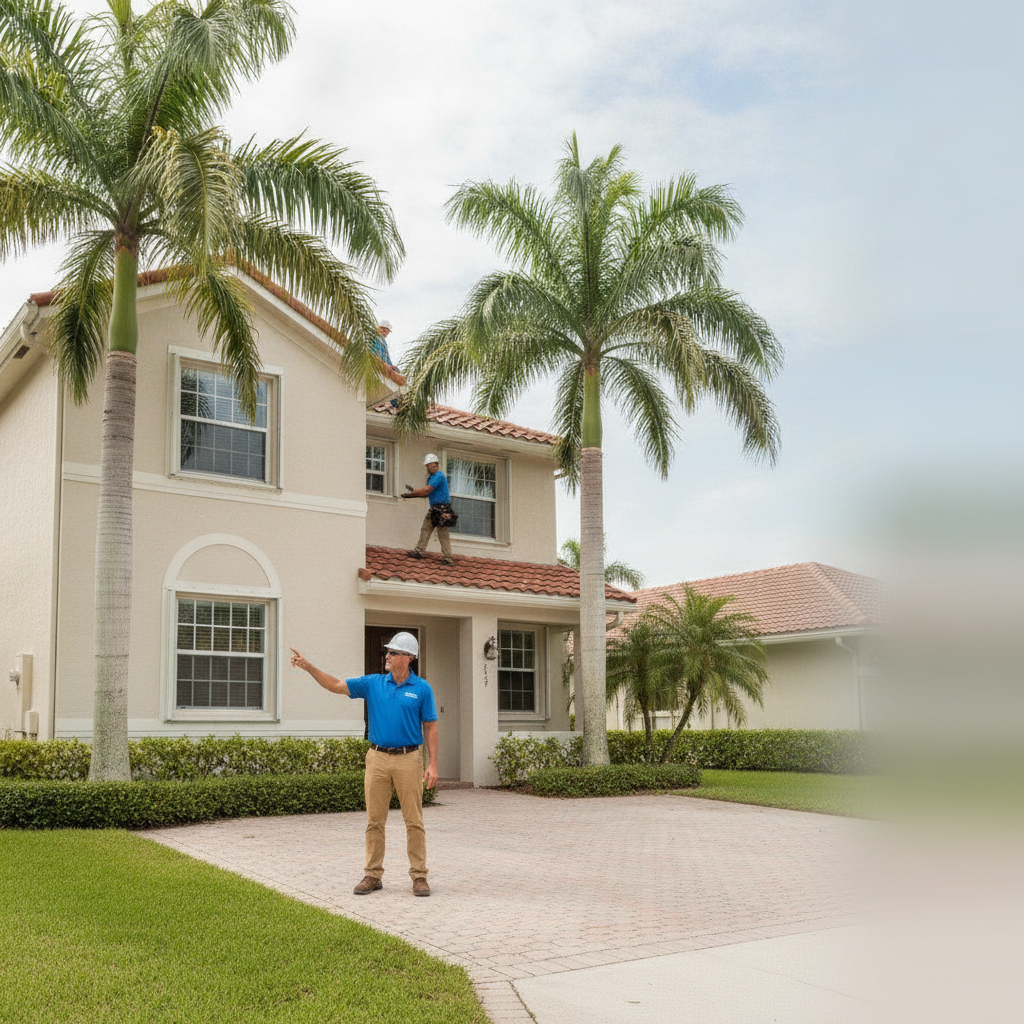
To check a Florida contractor’s insurance, request a Certificate of Insurance directly from the contractor, confirm it names you as an additional insured, then verify their DBPR license at myfloridalicense.com. Look for active general liability and workers’ compensation coverage — or a verified workers’ comp exemption — before any work begins on your property.
Updated September 2026
Key Takeaways
- Always request a Certificate of Insurance (COI) before signing — confirm it is current and names you as additional insured.
- Verify a contractor’s DBPR license at myfloridalicense.com — an active license is a legal requirement in Florida, not a bonus.
- Workers’ compensation is required for most Florida contractors; sole-owner exemptions must be verified, not assumed.
- If a worker is hurt on your uninsured contractor’s job, your homeowner’s policy may be your only shield — and it may not be enough.
- In Miami-Dade’s HVHZ, code complexity raises the stakes: the wrong contractor can expose you to permit failures and uncovered liability.
The Problem
What Happens When You Skip This Step
One missing insurance document can turn a routine window or roofing project into a financial emergency.
Here is the scenario homeowners in Miami-Dade and Broward encounter every year: a contractor shows up with a crew, does decent work, and then a worker slips off a ladder. No verified workers’ compensation. No general liability certificate on file with you. The injured worker’s attorney sends a letter — to you.
Florida law does not automatically protect property owners from liability when an uninsured contractor works on their home. If the contractor cannot pay, your homeowner’s insurance becomes the backstop. And depending on your policy limits, that may not be enough to cover a serious injury claim.
This is not a scare tactic. It is a documented pattern that Florida’s construction insurance rules are specifically designed to prevent. The good news: checking a contractor’s insurance in Florida takes less than 15 minutes if you know where to look and what to ask for.
South Florida Context
Why This Matters More in Miami-Dade and Broward
The HVHZ creates a higher-complexity job site — and more exposure when something goes wrong.
Miami-Dade and Broward counties fall inside Florida’s High-Velocity Hurricane Zone (HVHZ), the strictest residential building code jurisdiction in the United States. Impact window and roofing projects here require permits, inspections, and compliance with Florida Product Approval requirements. That complexity means more subcontractors, more site activity, and more opportunities for an injury or property-damage claim.
In this environment, verifying a contractor’s insurance and DBPR license is not just prudent — it is a baseline defense. A contractor who pulls permits correctly, carries proper insurance, and holds the right licenses is structurally less likely to leave you exposed. That is not a marketing claim; it is logic.
How to Verify
Step-by-Step: How to Check a Florida Contractor’s Insurance
Two parallel tracks — DBPR license lookup and Certificate of Insurance review — should both be completed before you sign anything.
Step 1: Look Up the DBPR License
Go to www2.myfloridalicense.com and search by the contractor’s name or license number. You are looking for:
- License type (e.g., Certified General Contractor, Certified Roofing Contractor)
- Status — it should read active
- License holder name — it should match who you are signing a contract with
Florida requires contractors to be licensed by the DBPR before performing most construction work. If a contractor’s license shows inactive, suspended, or does not appear at all, stop. Do not proceed.
Step 2: Request a Certificate of Insurance
A Certificate of Insurance (COI) is a one-page summary document issued by the contractor’s insurance carrier. Ask for it before signing the contract. What to look for:
| Coverage Type | What It Covers | What to Ask About |
|---|---|---|
| General Liability | Property damage during work; third-party bodily injury | Ask for the per-occurrence limit in writing — minimums vary by project type and county |
| Workers’ Compensation | Injuries to employees on your property | Statutory limits under Florida law |
| You as Additional Insured | Extends coverage to you if a claim names you | Request this in writing before work starts |
Step 3: Call the Insurance Carrier Directly
A COI is only as reliable as the policy behind it. Call the insurer’s number printed on the document (not a number the contractor gives you) and confirm the policy is active and the coverage amounts match. This takes five minutes and removes any risk of a forged document.
Step 4: Understand the Workers’ Comp Exemption
Florida law allows sole proprietors and certain corporate officers to file a workers’ compensation exemption, meaning they are excluded from mandatory coverage. This is legal — but it does not mean coverage exists. Key questions to ask:
- Is the exemption current? Exemptions expire and must be renewed.
- Does the exemption cover subcontractors working under this contractor? Usually it does not.
- Will any crew member on site be covered by workers’ comp?
You can verify a Florida workers’ compensation exemption status through the Florida Division of Workers’ Compensation online portal. Do not take the contractor’s word for it.
Insurance Scenarios Compared
What Each Insurance Situation Means for You
| Contractor Situation | Risk to Homeowner | What to Do |
|---|---|---|
| Active DBPR license + verified COI + workers’ comp | Low — standard legal protection in place | Proceed; keep a copy of all documents |
| Active license + general liability only, no WC | Medium — worker injury may fall on you | Verify any exemptions; get written confirmation |
| Active license + valid exemption (sole owner, no crew) | Lower if verified — solo operator confirmed | Confirm no crew will be on site under this contractor |
| No DBPR license found | High — unlicensed work voids permit eligibility | Do not hire; work cannot be permitted legally |
| License exists but insurance lapsed | High — active policy is required, not just a license | Do not proceed until policy is reinstated and verified |
Why This Matters at Bigfoot
Licensed Contractor — Not a Lead Aggregator
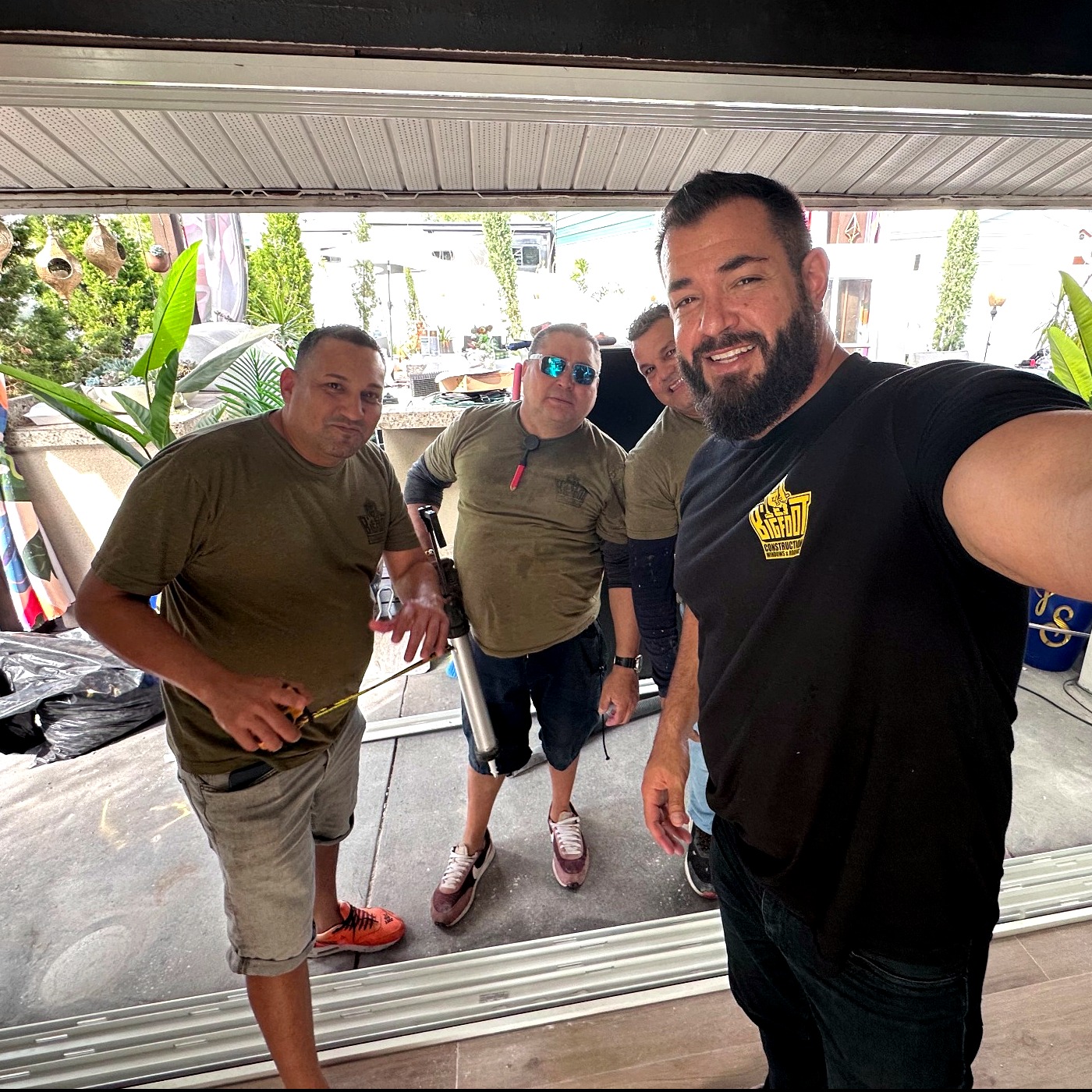
We are not a referral service. Every project is performed under our licenses, not subcontracted out to whoever is cheapest that week.
“I see homeowners get burned every season by contractors who cannot produce a COI when asked. It is the first thing I hand over before we shake hands on a job.”
President, Bigfoot Windows & Roofing
When you hire a contractor holding a Certified General Contractor (CGC1531370) license, you also gain structural scope coverage in a single contract. That matters for impact window projects in older Miami-Dade homes, where the permit may uncover header resizing needs or hurricane strap deficiencies. A Certified General Contractor can handle those structural modifications in-house under one permit, so you are not left scrambling for a second contractor mid-project. That coherent accountability is grounded in license breadth — four licenses under one roof — not in a marketing promise.
What to Ask Before Signing
The Insurance Checklist: Four Documents to Request
Before any impact window or roofing contractor starts work on your home, ask for these four items in writing:
- Certificate of Insurance — general liability and workers’ compensation, with expiration dates visible
- DBPR license number — verify it yourself at myfloridalicense.com
- Workers’ comp exemption certificate (if applicable) — verify directly with the Florida Division of Workers’ Compensation
- Proof of permit pulled in your name — the permit should be in the property owner’s name, not just the contractor’s
If a contractor refuses to provide any of these, that refusal is itself a red flag. Florida law does not allow licensed contractors to withhold their license number.
Our Process
How Bigfoot Handles Insurance and Permitting Before We Start
Every Bigfoot project follows the same pre-construction sequence:
- Estimate and scope review — we confirm the project scope, identify any structural modifications needed (such as header resizing under CGC1531370), and discuss product options
- Contract and documentation — you receive our license numbers and insurance documentation before signing
- Permit application — we pull all permits in your name through the applicable county building department; Miami-Dade permit review typically takes two to six weeks for standard residential replacements
- Installation and inspection — all work is performed under our licenses, not passed to an unlicensed subcontractor
- Final inspection sign-off — the permit closes with a passing inspection, giving you a documented record for insurance and resale purposes
If you want to explore financing options for your project, we offer guidance on PACE and other programs before contract signing — not after.
Want to see our license and insurance documents before committing to anything?
Related Reading
Articles You May Find Useful
Related Articles
Who We’re Not the Right Fit For
Bigfoot is a licensed Florida contractor, not the cheapest option in any market. Here are situations where we are genuinely not the best match:
- You need work done tomorrow. Permits in Miami-Dade typically take two to six weeks for review. We cannot skip that step, and we will not. If you need an emergency patch from an unlicensed handyman, we are not that contractor.
- You want to skip the permit. Every window and roofing project we do is pulled with a permit. If a contractor offers to skip permitting to save time or money, that is a separate risk conversation — one we will not participate in.
- Your project is outside South Florida. Our service area is Miami-Dade, Broward, and Palm Beach counties. We do not send crews statewide.
- You are looking for the lowest bid regardless of insurance. We carry full general liability and workers’ compensation coverage and we will document it. If price is the only filter and insurance verification is not a priority, our structure will put us at a disadvantage versus uninsured competitors.
Frequently Asked Questions
How do I check a contractor’s insurance in Florida?
Request a Certificate of Insurance (COI) directly from the contractor before signing anything. The COI will show general liability and workers’ compensation coverage and their expiration dates. Then call the insurance carrier’s number printed on the document — not a number the contractor provides — and confirm the policy is active. Cross-reference the contractor’s DBPR license at myfloridalicense.com to confirm it is active and held in the same name.
What insurance should a Florida contractor have?
At minimum, a Florida contractor should carry general liability insurance and workers’ compensation coverage (or a valid, verified exemption). General liability protects against property damage and third-party injury claims. Workers’ compensation covers employees injured on your property. For projects in the HVHZ — Miami-Dade and Broward — both types of coverage are especially important because job sites tend to involve more trades, more activity, and more potential for injury.
What is a Certificate of Insurance and why do I need one?
A Certificate of Insurance (COI) is a one-page summary from the contractor’s insurance carrier showing what policies are in force, their limits, and their expiration dates. You need it because a verbal assurance that a contractor is insured is not enforceable. The COI also allows you to request that you be named as an additional insured, which extends some coverage to you if a claim arises from work on your property.
How do I verify a DBPR license?
Go to myfloridalicense.com and search by the contractor’s name or the license number they provide. Confirm the license type matches the work being performed, the status shows as active, and the name on the license matches the person or company you are contracting with. If the license is inactive, suspended, or belongs to a different entity, do not proceed. Florida law requires a current, active license for permitted construction work.
What if my contractor has no workers’ comp coverage?
If a worker is injured on your property and your contractor has no workers’ compensation coverage, the injured worker may have grounds to pursue a claim against you as the property owner. Your homeowner’s insurance policy may respond, but coverage limits and exclusions vary. The safest approach is to verify workers’ compensation before work begins — either a current active policy or a valid exemption confirmed through the Florida Division of Workers’ Compensation, not just a contractor’s assurance.
Am I liable if a worker is hurt on my property by an uninsured contractor?
Potentially, yes. Florida law does not automatically shield homeowners from all liability when an uninsured contractor’s worker is injured on their property. If the contractor has no workers’ compensation and no general liability, the injured party may pursue the property owner. Your homeowner’s insurance is often the only remaining financial buffer. Verify insurance and license status before any contractor begins work — this is the most direct protection available to you.
Can a contractor legally work without workers’ comp in Florida?
Yes, under specific conditions. Florida law allows sole proprietors and certain corporate officers to file a workers’ compensation exemption with the state. However, exemptions expire and must be renewed, and they typically do not cover employees or subcontractors working under that contractor. Always verify the exemption is current through the Florida Division of Workers’ Compensation, and ask whether any crew members — not just the contractor — will be on site without coverage.
Schedule Your Free Estimate
Ready to get started? Request a free estimate — no phone call required.
Sources
- Florida Division of Workers’ Compensation Exemption Portal — apps8.fldfs.com
- Florida DBPR License Verification — myfloridalicense.com
- Florida Statute 713.06 — Notice to Owner and Lien Requirements — flsenate.gov
- Bigfoot Windows & Roofing — Miami-Dade Impact Windows Service Page — bigfootwindowsandroofing.com
Ready to see our license and insurance documents before committing?
We provide a Certificate of Insurance and our full DBPR license numbers before you sign anything. No pressure, no obligation.
Or call Bigfoot Windows & Roofing directly: 786-886-2088