
Impact Windows & Roofing Florida | Bigfoot Windows & Roofing
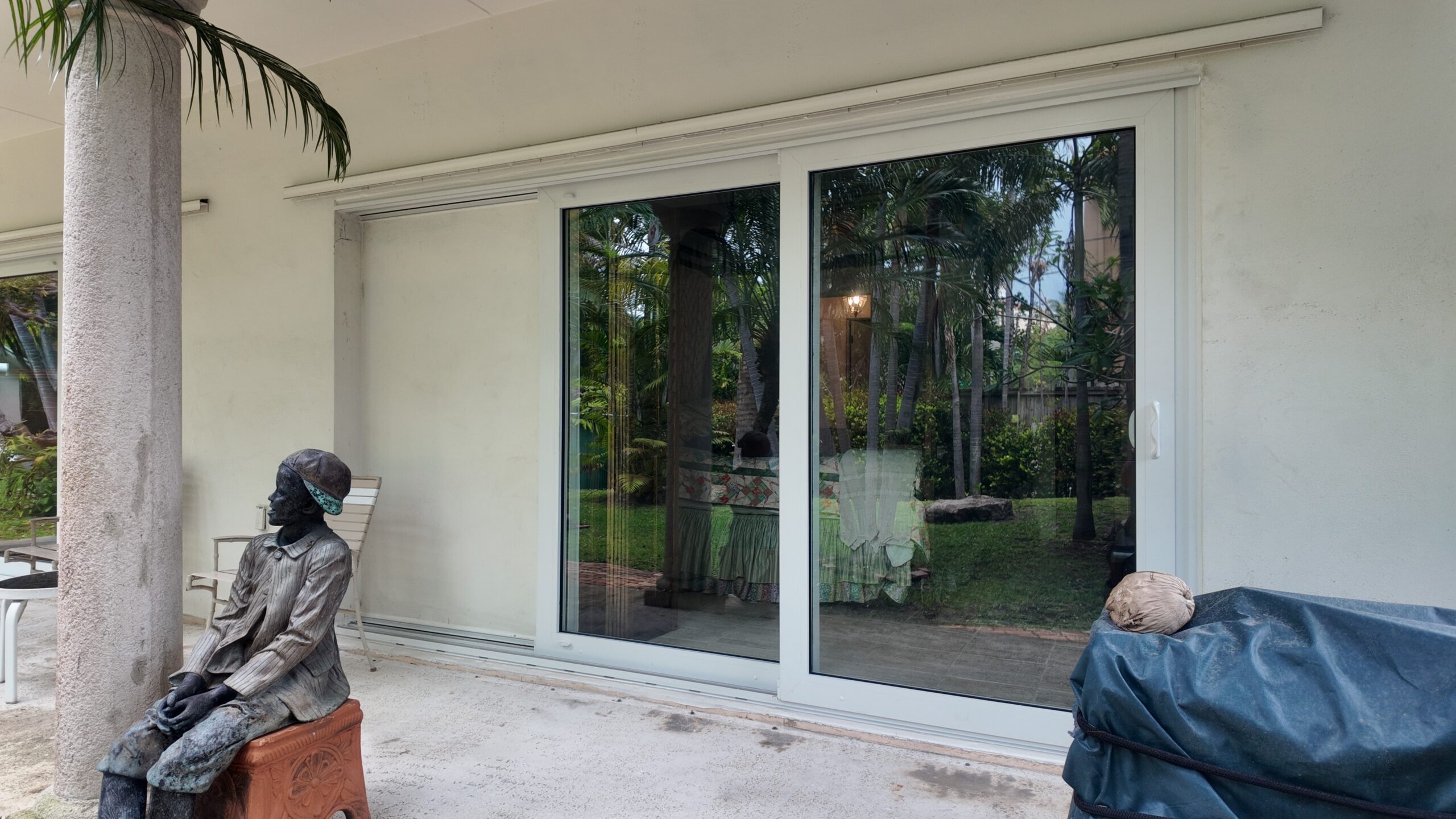
Last updated: July 2026 by the Bigfoot Windows & Roofing editorial team.
Key Takeaways
- A product with a current Florida Product Approval (FL number) that covers HVHZ use is legal to install in Miami-Dade and Broward. A Miami-Dade NOA is an additional certification some products also carry; it is not required for the permit.
- Impact windows and a new roof work together as a unified building envelope under Florida Building Code 7th Edition continuous load-path requirements.
- One contractor holding a Certified General Contractor license and a Certified Roofing Contractor license can pull both permits simultaneously, reducing delay.
- Citizens Property Insurance and OIR-approved mitigation credits reward homeowners who upgrade both impact windows and roofing at the same time.
- Always verify a contractor’s license on the DBPR online portal before signing a contract — look for a CGC, CRC, or CCC prefix.
The Problem
Why Most South Florida Homeowners Treat Windows and Roofing as Separate Problems
Most homeowners budget for a new roof one year and new impact windows the next. On the surface that feels financially manageable. In practice it creates a sequencing problem: two separate permit applications, two inspection timelines, two sets of contractor coordination, and a window of time when your building envelope is only partially upgraded.
Under the Florida Building Code 7th Edition, a home’s roof system and its window and door openings are part of a continuous load path. That means the wind forces that enter through a failed window do not stay at the window — they travel through the wall framing into the roof diaphragm. Installing one without the other leaves a structural weak point that the Florida Building Code was specifically designed to close.
This guide explains the approval differences, the permit process, the insurance logic, and why doing both at once — under a contractor who holds the right licenses for both trades — is worth understanding before you sign anything.
Local Context
HVHZ, Miami-Dade NOA, and Why Statewide Approval Must Cover HVHZ Use
Florida has two distinct approval tracks for impact-rated windows and doors:
| Approval Type | Issuing Authority | Where It Is Required | HVHZ Valid? |
|---|---|---|---|
| Florida Product Approval (FPA) | Florida Building Commission | All Florida counties, including HVHZ when it covers HVHZ use | Yes, when it covers HVHZ use |
| Miami-Dade Notice of Acceptance (NOA) | Miami-Dade PHCD Building Division | Not required; accepted in Miami-Dade and Broward counties | Yes |
A Miami-Dade NOA is a product-specific engineering evaluation that goes beyond the statewide FPA process. It tests at higher design pressures and subjects products to the large-missile impact test (a 9-pound 2×4 at 50 feet per second), which is stricter than the small-missile test accepted elsewhere in Florida. If a contractor installs a product in Miami-Dade or Broward that carries only a statewide FPA that does not cover HVHZ use, and no Miami-Dade NOA, the installation will not pass inspection.
This matters for roofing as well. Metal roofing panels, underlayments, and tile systems used in the HVHZ must each carry their own Miami-Dade NOA or be tested under an approved system. A roofing contractor who does not distinguish between FPA and NOA approvals is a risk you cannot afford in South Florida.
To verify any product’s current approval status, search the Miami-Dade County Product Control database directly at miamidade.gov/building using the NOA number on the contractor’s submittal sheet. An approval document is not proof of compliant installation — fastener spacing, embedment depth, and design-pressure ratings must also match the specific installation conditions.
How It Works
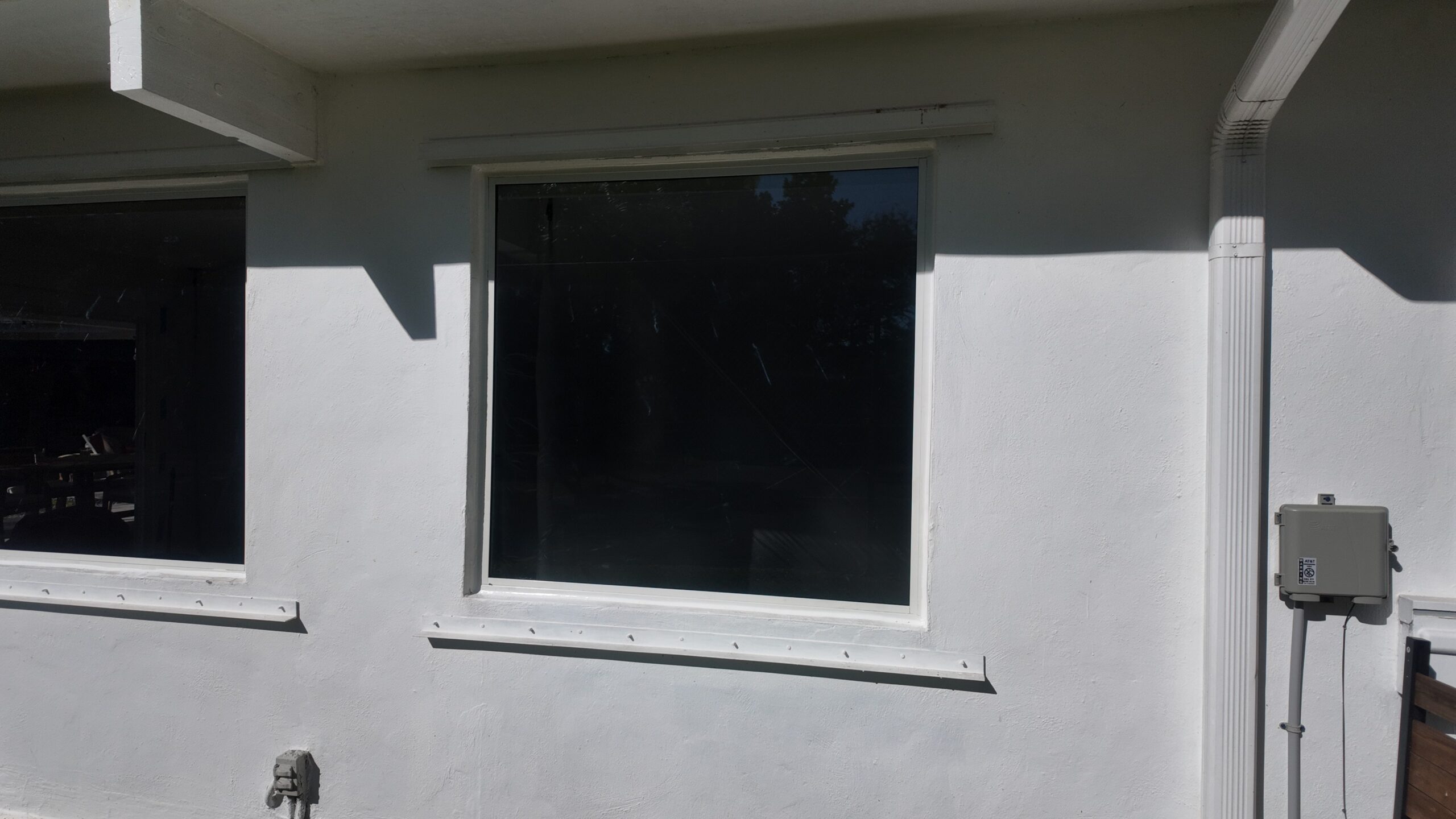
How Impact Windows and a New Roof Work Together as One System
The Florida Building Code 7th Edition requires that every component of the building envelope — roof deck, roof-to-wall connection, wall framing, and window and door openings — transfer wind load in a continuous path from the roof to the foundation. This is commonly called the continuous load path requirement.
Impact-rated windows resist wind pressure at the opening level. But the anchor point of every window frame is the rough opening in the wall framing, and that framing connects directly to the roof structure above it. If hurricane straps are missing or the roof-to-wall connection is inadequate, wind uplift can compromise the entire wall system even if the windows themselves hold. Conversely, a new standing-seam metal roof installed without addressing non-impact windows still leaves the building envelope open to breach.
When a Certified General Contractor manages both scopes simultaneously, structural issues — missing hurricane straps, deteriorated header framing around window openings, or wood rot at the fascia — can be identified and corrected during the same permitted project rather than discovered later at a reinspection. This is the structural accountability that multi-license scope enables, not a marketing claim but a code-compliance reality.
| Building Envelope Component | Covered by Roofing Permit | Covered by Window/Door Permit | Load Path Role |
|---|---|---|---|
| Roof deck fastening | Yes | No | Transfers uplift to trusses/rafters |
| Roof-to-wall connection (hurricane straps) | Yes (CGC scope) | No | Transfers uplift to wall framing |
| Window/door rough opening framing | No | Yes (CGC scope) | Transfers lateral load to wall |
| Impact window/door unit | No | Yes | First line of pressure resistance |
| Roofing system (shingle/metal/tile) | Yes | No | Primary weather barrier |
Approval Comparison
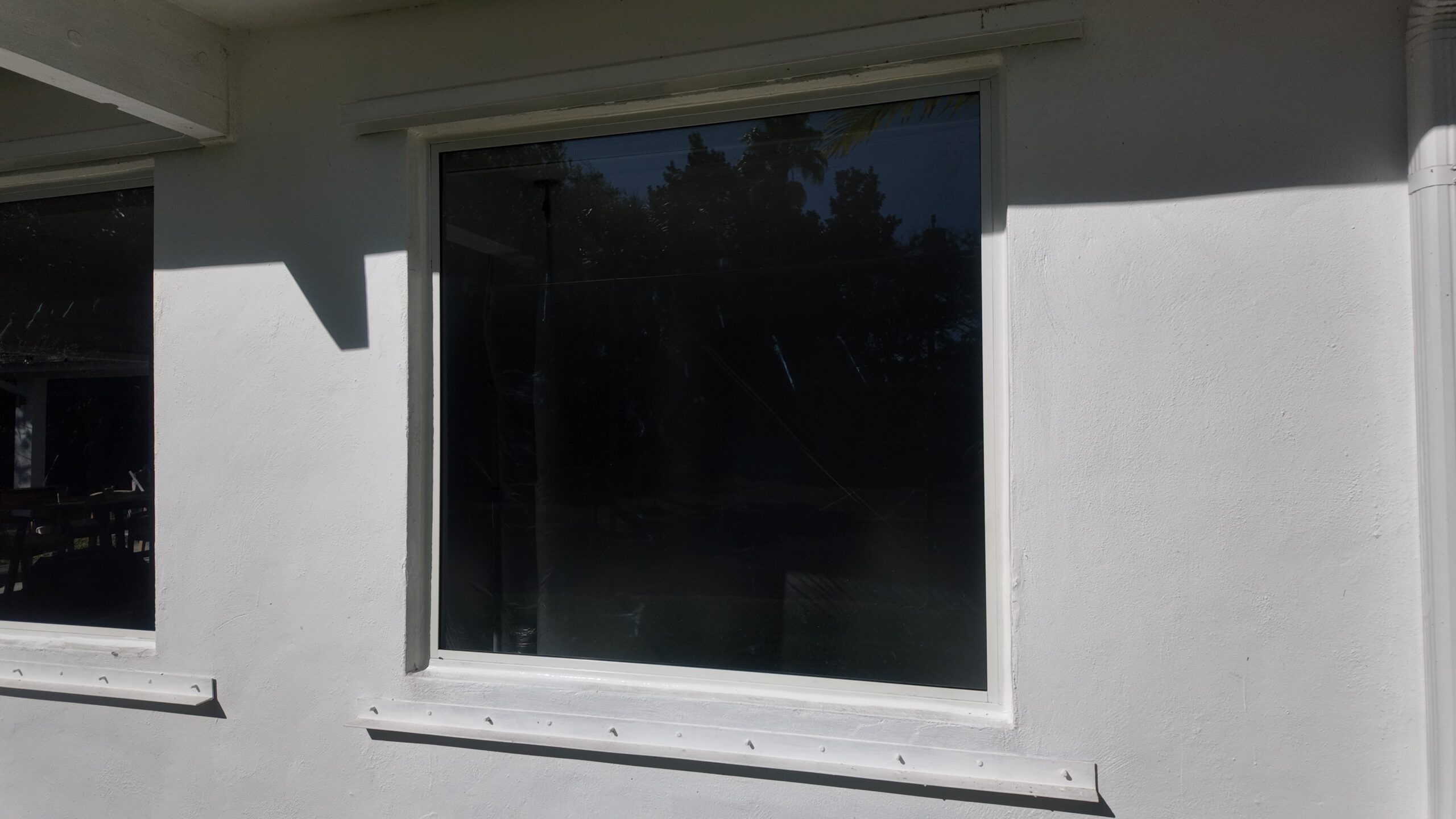
NOA vs. Florida Product Approval: What Homeowners Should Verify
Before any product is installed in your home, ask the contractor for the approval document — not just the approval number. Here is what to check:
- Product name and model number on the approval must match exactly what is being installed. A different series or glass thickness is a different product.
- Expiration date: Miami-Dade NOAs must be current at time of installation, not just at time of contract signing.
- Design pressure ratings on the approval must meet or exceed the design pressures specified on the permit drawings for your specific building location and opening size.
- Installation instructions: the approval document includes required fastener type, spacing, and embedment. Deviation from those instructions means the NOA does not apply to that installation.
For roofing in the HVHZ, verify that the underlayment system, fastener pattern, and any clip or mechanical attachment system each have their own current NOA. A roofing system is approved as a system — swapping one component for a non-approved substitute can void the entire system approval at inspection.
When statewide FPA is the better fit: If you own a home in Palm Beach County (north of the HVHZ boundary) or anywhere outside Miami-Dade and Broward, a statewide Florida Product Approval is sufficient for both windows and roofing. The products Bigfoot installs carry both approvals where available, but you do not need to pay for HVHZ-rated products if your county does not require them.
License Authority
One Contractor, Four Active Florida Licenses
A licensed contractor pulling both permits — not a lead aggregator dispatching sub-trades.
“When we pull a roofing permit and a window permit on the same house, we are not coordinating two separate contractors — we are accountable for the entire envelope. That changes how we approach structural issues we find along the way.”
President, Bigfoot Windows & Roofing
Product Guidance
What Impact Window and Roofing Products We Install in South Florida
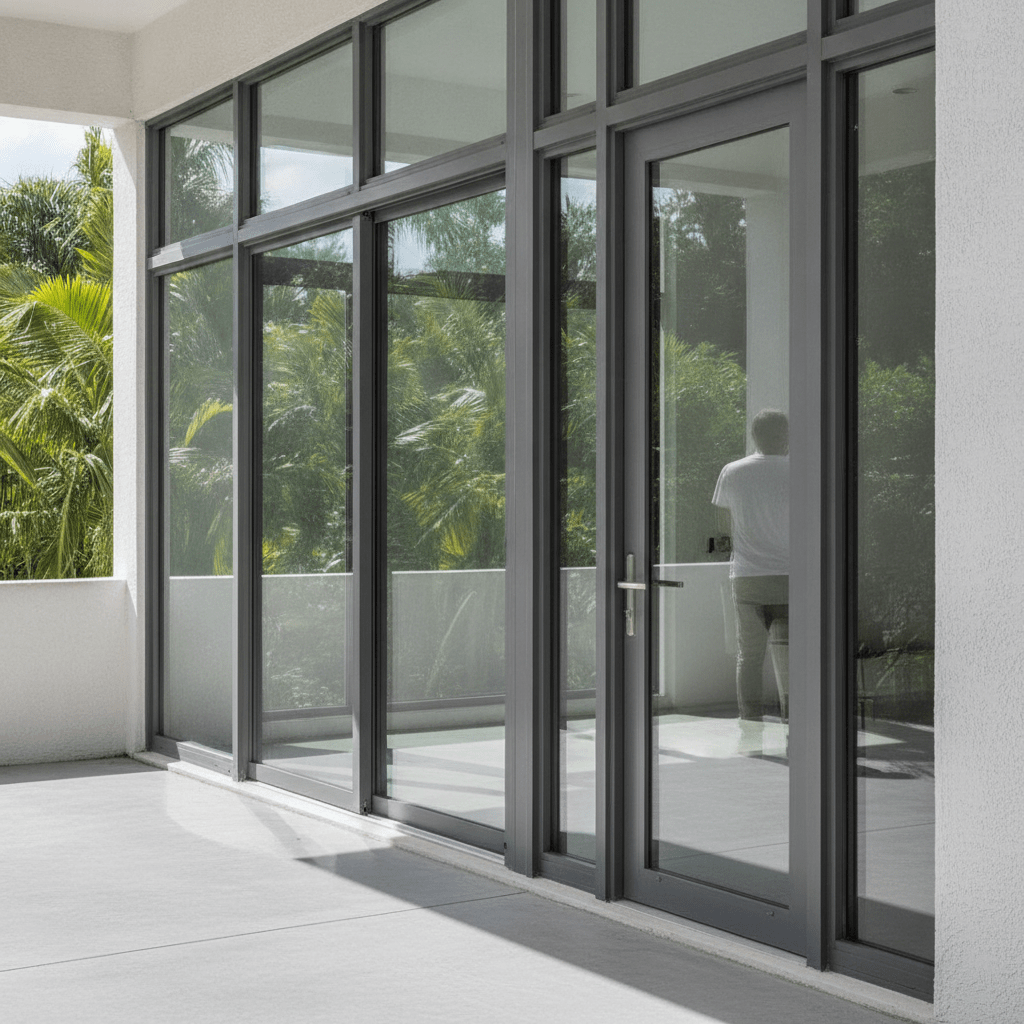
For impact windows and doors, Bigfoot installs aluminum frames — not vinyl. In South Florida’s combination of heat, UV exposure, humidity, and hurricane-force wind, aluminum has a longer track record of structural stability. Thermally broken aluminum frames add a thermal barrier between the interior and exterior aluminum sections, reducing heat transfer without sacrificing the structural performance that HVHZ installations demand.
Our primary window line is Mr. Glass, which carries Florida Product Approval on all series. The Mr. Glass 2500T thermally broken door has been tested in both in-swing and out-swing orientations — most competitors test only one. For glass, we recommend SB 70 Low-E as the primary specification for South Florida: it provides the strongest solar heat rejection with a dark green hue. For coastal properties within roughly two miles of water, the 2605 finish is required to maintain the 10-year product warranty.
On the roofing side, we install GAF architectural shingles (with GAF Certified Plus certification and System Plus warranty eligibility), Englert or Metal Alliance standing-seam metal panels fabricated on-site in 24-gauge Galvalume or aluminum, and Westlake concrete and tile systems. Each carries the appropriate HVHZ approval for Miami-Dade and Broward installations. Roofing pricing in South Florida typically runs $750–$850 per square for architectural shingle, $1,050–$1,300 per square for standing-seam metal, and $1,000–$1,350 per square for tile — ranges that shift based on roof complexity, tear-off layers, and whether tapered insulation is required on flat sections.
The Process
How Permits Work When Windows and Roofing Are Pulled Together
In Miami-Dade County, impact window and roofing permits are separate permit applications submitted to Miami-Dade Building Department — they are not combined into a single permit. However, a contractor holding both a Certified Roofing Contractor license and a Certified Specialty Contractor with a Glass & Glazing Specialty license (or Certified General Contractor authority) can submit both simultaneously, allowing inspections to be scheduled in coordinated sequence.
A typical permitted timeline in Miami-Dade for a combined windows and roofing project:
- Week 1–2: Contract signed, permit applications submitted with NOA product data sheets and permit drawings.
- Week 2–5: Miami-Dade plan review. Roofing permits often review faster than window permits for large opening counts.
- Week 5–8: Permits issued. Material ordered and scheduled.
- Week 8–12: Installation. Roofing typically completes before windows to avoid weather exposure of open openings.
- Week 12–14: Final inspections — roofing final and window final scheduled with the inspector. Both permits closed.
In Broward County, the timeline is similar but plan review speed varies by municipality. Palm Beach County jurisdictions generally move faster because they operate under the standard Florida Building Code rather than the stricter HVHZ path.
What to verify on a contractor’s license before you sign: Go to the Florida DBPR online license lookup at myfloridalicense.com and search the contractor’s name or company. A roofing license will begin with CCC; a residential contractor with CRC; a Certified General Contractor with CGC; a specialty glass and glazing with SCC. Verify that the license status is current and that the name on the license matches the person or entity signing your contract.
Ready to get a permit-ready estimate for impact windows, roofing, or both?
Insurance Context
Citizens Property Insurance and Wind Mitigation Credits
Citizens Property Insurance has been non-renewing policies on homes with roofs 20 to 25 years old or older. A roof replacement alone can restore insurability. But the premium reduction story is more complete when impact windows are added.
Florida’s Office of Insurance Regulation (OIR) approves wind mitigation credits that insurers — including Citizens — must recognize. The wind mitigation inspection form (OIR-B1-1802) evaluates multiple attributes of your home’s storm resistance, including roof covering type, roof-deck attachment, roof-to-wall connection strength, roof shape, opening protection, and secondary water resistance. Impact windows and a new roof with proper deck fastening and hurricane straps can improve multiple categories on that form simultaneously.
Homeowners who upgrade both roof and impact-rated windows and doors and then obtain a wind mitigation inspection have seen significant insurance premium reductions — the combination addresses more mitigation categories than either upgrade alone. We do not quote specific dollar amounts because results depend on your insurer, your current policy, your home’s construction type, and the inspector’s findings. What we can say is that the mitigation inspection itself is typically inexpensive and the results are documented on a standardized form your insurer is required to accept.
If you are considering financing, the PACE financing program allows roofing and window projects to be financed through your property tax bill with no credit score impact. Note that roofing and window PACE applications must be submitted separately — they cannot be combined into a single PACE application. For qualifying property owners, there may be tax benefits available — please consult your CPA.
Related Reading
More Guides for South Florida Homeowners
Related Articles
Who We’re Not the Right Fit For
- Homeowners outside South Florida seeking HVHZ-specific products only: If your home is in a county that does not require Miami-Dade NOA approval, you do not need — and may not want to pay for — HVHZ-rated products. A local contractor familiar with your county’s specific code path is a better starting point.
- Buyers looking for the lowest possible price above all else: HVHZ-compliant installations require products that carry a Miami-Dade NOA or a Florida Product Approval that covers HVHZ use, stamped engineering drawings, and licensed inspections. Contractors who skip those steps can offer lower prices — but the installation will not pass inspection and may void your homeowner’s insurance coverage.
- Projects requiring trades we do not hold licenses for: Bigfoot holds four active Florida licenses covering general contracting, residential contracting, roofing, and glass and glazing. We do not hold electrical, plumbing, mechanical, or HVAC licenses. If your project requires those trades as primary scope, you will need additional licensed contractors for those portions.
- Homeowners who prefer to manage multiple specialty contractors themselves: Some owners prefer to hire a roofing company and a window company separately and coordinate between them. That approach works — it simply requires more owner coordination on permits, scheduling, and inspection sequencing than a single multi-license contractor provides.
FAQ
Frequently Asked Questions
Do impact windows and a new roof need to be installed together to qualify for Florida home insurance discounts?
No — they do not have to be installed at the same time. Each upgrade improves a different category on the wind mitigation inspection form (OIR-B1-1802), and you can obtain a new wind mitigation inspection after either upgrade to capture available credits. However, completing both upgrades before your inspection maximizes the number of categories that score favorably, which typically produces a larger combined premium reduction than either upgrade alone.
What is the difference between Miami-Dade NOA approval and Florida statewide product approval for impact windows?
A Miami-Dade Notice of Acceptance (NOA) is a county-level engineering evaluation that products installed in Miami-Dade and Broward counties — the High-Velocity Hurricane Zone — can carry; a Florida Product Approval that covers HVHZ use is also accepted. It tests at higher design pressures and requires a large-missile impact test. A Florida Product Approval (FPA) is a statewide approval accepted in every Florida county; in the HVHZ it must cover HVHZ use. Verify any product’s current NOA status on the Miami-Dade County Product Control database before installation.
Are impact windows required by code in Miami-Dade County even if I am not replacing my roof?
Miami-Dade County requires impact-rated or protected openings for any new window or door installation — regardless of whether a roof replacement is occurring simultaneously. If you replace a single window, that replacement window must meet HVHZ standards and carry a current NOA or a Florida Product Approval that covers HVHZ use. Existing non-impact windows that are not being replaced are not automatically required to be upgraded, but check current code with your building department as rules can change.
How long does it take to permit and install impact windows and a new roof in Miami-Dade County?
A realistic combined timeline in Miami-Dade is 10 to 14 weeks from contract signing to final inspection. Plan review alone typically takes 3 to 5 weeks. Window lead times and roofing material availability affect the installation phase. Projects with structural complications — deteriorated framing, missing hurricane straps — can add time. Palm Beach County jurisdictions generally move faster than Miami-Dade or Broward due to lower HVHZ review complexity.
Can one contractor in Florida legally pull permits for both impact windows and roofing on the same project?
Yes — if the contractor holds the appropriate license for each scope. A Certified Roofing Contractor (CCC prefix) can pull roofing permits. A Certified Specialty Contractor with a Glass and Glazing Specialty (SCC prefix) or a Certified General Contractor (CGC prefix) can pull window and door permits. Always verify the specific license type on the Florida DBPR lookup at myfloridalicense.com before signing a contract.
How do I verify a contractor’s license in Florida before signing a contract?
Go to myfloridalicense.com and use the license verification search. Enter the contractor’s name, company name, or license number. Roofing licenses begin with CCC; residential contractor licenses with CRC; Certified General Contractor licenses with CGC; glass and glazing specialty licenses with SCC. Confirm the license is current (not expired or suspended) and that the name on the license matches the entity signing your contract. This takes about two minutes and costs nothing.
Can I use PACE financing for both a new roof and impact windows on the same project?
Yes, but the applications must be submitted separately — roofing and windows cannot be combined into a single PACE application. PACE is repaid through your property tax bill at roughly 9.49% interest; a 20-year term offers the lowest monthly payment. You may also be able to stack a My Safe Florida Home grant of up to $10,000 with PACE financing. For tax questions about PACE, consult your CPA — we do not provide tax advice.
Sources & References
- Florida Building Code 7th Edition — Residential and Existing Building volumes (Florida Building Commission)
- Miami-Dade County Product Control — Notice of Acceptance database (miamidade.gov/building)
- Florida Office of Insurance Regulation — Wind Mitigation Inspection Form OIR-B1-1802
- Florida DBPR License Verification — myfloridalicense.com
- Citizens Property Insurance Corporation — Eligibility and underwriting guidelines (citizensfla.com)
Ready to talk through your impact window or roofing project?
Call Bigfoot Windows & Roofing at 786-886-2088 or request a free estimate online.