
Florida Window Manufacturers | Bigfoot Windows & Roofing
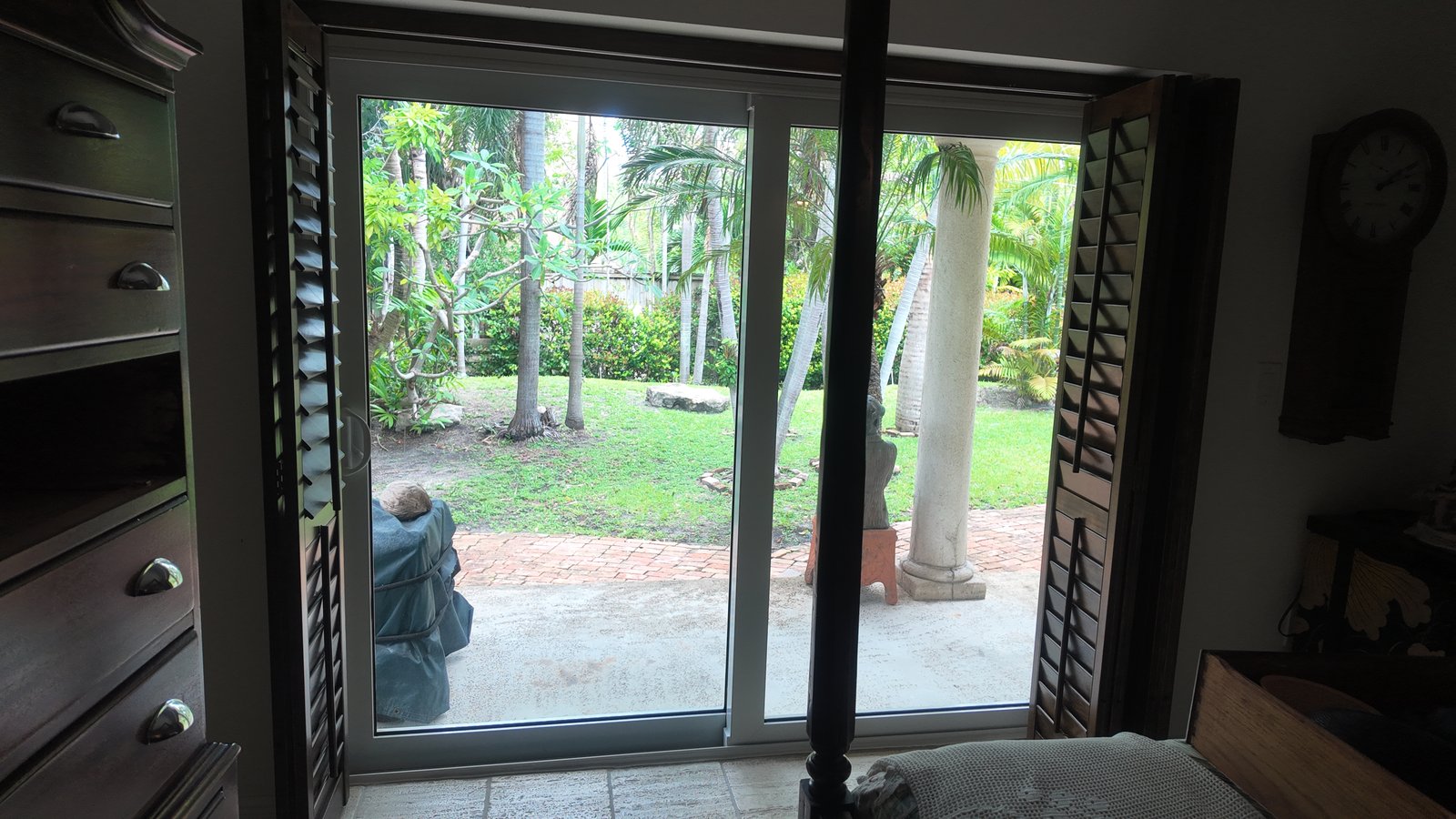
Not every window labeled “impact-rated” or “hurricane-resistant” qualifies for installation in Miami-Dade or Broward County. A product with a current Florida Product Approval (FL number) that covers HVHZ use is legal to install in Miami-Dade and Broward. A Miami-Dade NOA is an additional certification some products also carry; it is not required for the permit.
Updated September 2026
Key Takeaways
- A product with a current Florida Product Approval (FL number) that covers HVHZ use is legal to install in Miami-Dade and Broward. A Miami-Dade NOA is an additional certification some products also carry; it is not required for the permit.
- FBC Chapter 17 governs how product approvals are documented and verified before installation.
- Not every manufacturer that sells in Florida carries a Miami-Dade NOA — verify before you buy.
- You can cross-reference any window on the Florida Building Commission’s Statewide Product Approval database at floridabuilding.org.
- Aluminum frames have a longer track record than vinyl in South Florida’s HVHZ heat, UV, and coastal salt-air environment.
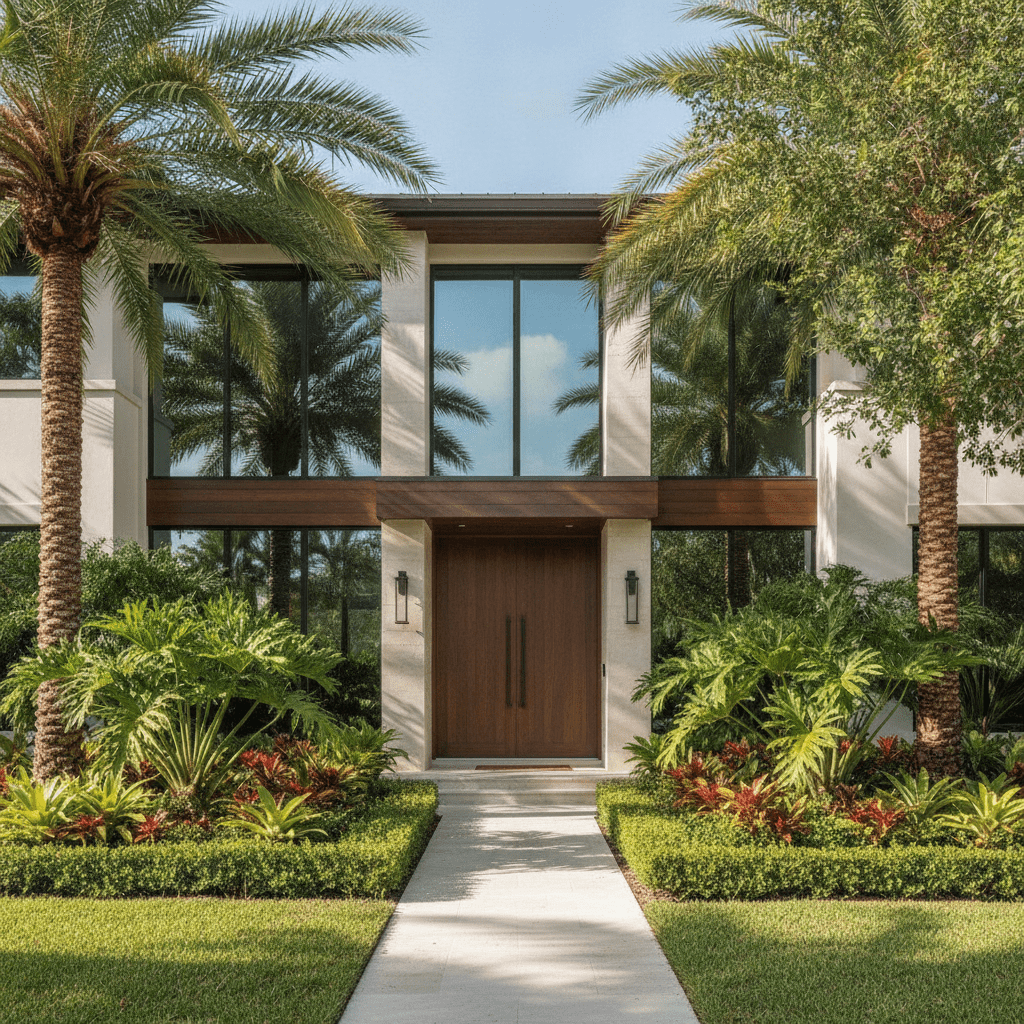
The Problem
Why Choosing the Wrong Window Manufacturer Is a Costly Mistake in South Florida
A permit rejection or a failed inspection can stall your project for weeks — and leave your home exposed.
Here is a scenario that plays out more often than most homeowners expect: a window company installs products that carry Florida Product Approval, pulls the permit, and the Miami-Dade Building Department inspector arrives — only to flag the windows because the specific series does not hold a Miami-Dade Notice of Acceptance. The homeowner is now facing a full removal and re-installation at their own expense.
This is not a hypothetical. Miami-Dade and Broward operate under the Florida Building Code’s High-Velocity Hurricane Zone provisions, which layer additional requirements on top of the statewide code. Understanding which manufacturers meet those layered requirements — before you sign a contract — is how you avoid that outcome.
The labels “hurricane-rated” and “impact-resistant” are marketing descriptions. What actually matters under Florida Building Code Section 1609 is whether the product has been tested, approved, and listed for the specific wind zone and design pressure of your opening.
South Florida Context
HVHZ: Why Miami-Dade and Broward Play by Different Rules
The strictest residential building code jurisdiction in the United States applies to your home.
The Florida Building Code’s High-Velocity Hurricane Zone (HVHZ) provisions apply to Miami-Dade and Broward counties. These two counties operate under materially stricter requirements than the rest of Florida, including wind-load testing standards tied to ASCE 7 that go beyond what is required for a statewide Florida Product Approval.
In practical terms, this means a window product can hold Florida Product Approval — meaning it is code-compliant for most of the state — but still be ineligible for installation in Miami-Dade or Broward without a separate Miami-Dade Notice of Acceptance (NOA). The NOA is issued by the Miami-Dade Building Department after a more rigorous independent testing and documentation review process.
Palm Beach County is not designated HVHZ, but its coastal exposure and design-pressure requirements still demand careful product selection. A contractor who knows how to navigate FBC Chapter 17 — and who can handle any structural scope that arises, such as header resizing under a Certified General Contractor (CGC1531370) license — keeps your project moving without a separate GC sub-contract.
Know Before You Buy
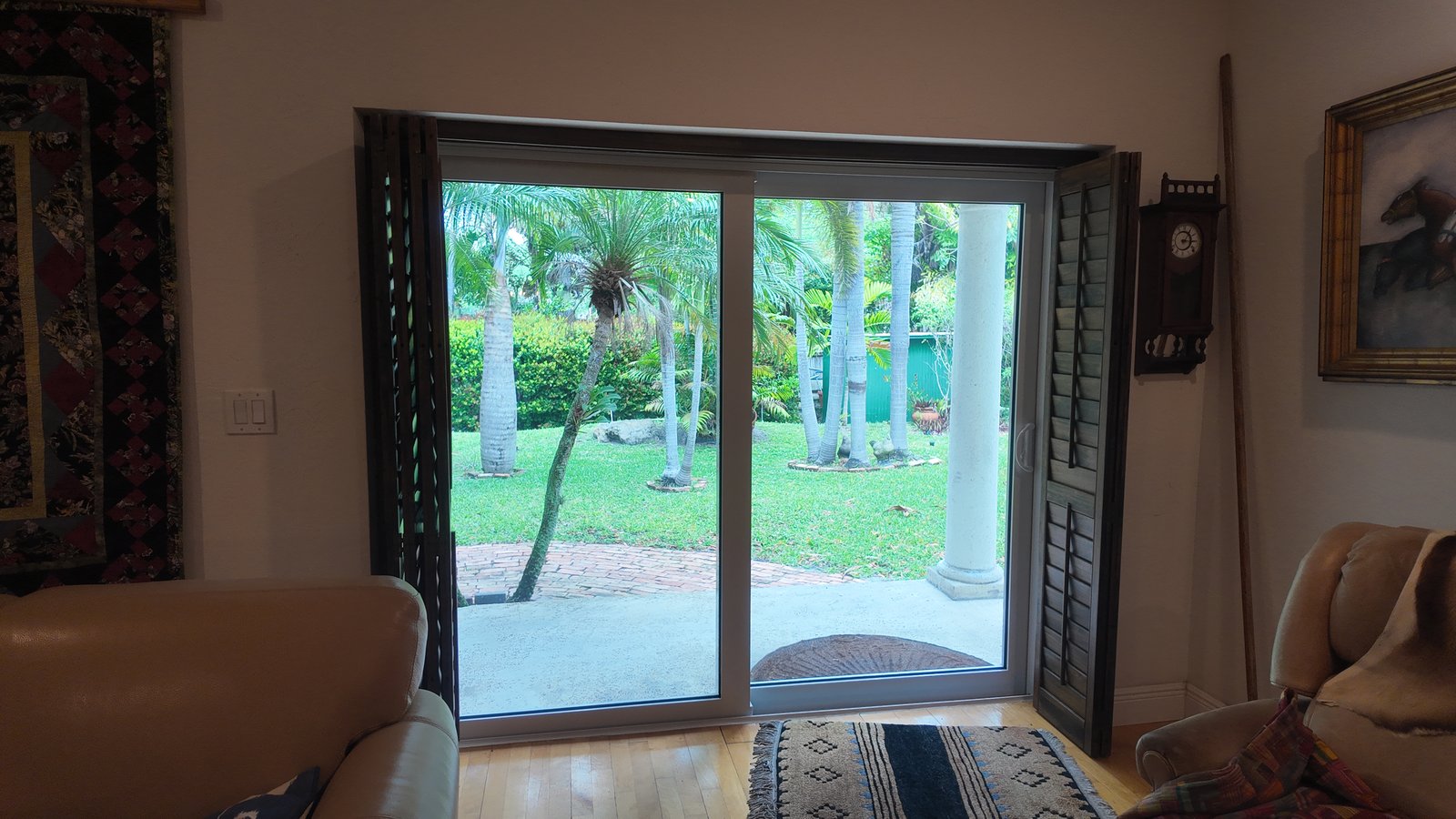
Florida Product Approval vs. Miami-Dade NOA: What Is the Actual Difference?
One is the floor. The other is the ceiling — and the ceiling is what HVHZ requires.
Florida Product Approval (FPA) is administered by the Florida Building Commission under FBC Chapter 17. A manufacturer submits test reports from an accredited laboratory and a Florida-licensed engineer’s evaluation to the state. If approved, the product receives a Florida Product Approval number that appears in the Statewide Product Approval database at floridabuilding.org. This approval is required for any window installed anywhere in Florida under a permit.
Miami-Dade Notice of Acceptance (NOA) is issued by the Miami-Dade County Building Department (BCCO). It requires the same laboratory test reports but also demands product certification, quality-assurance audits of the manufacturing facility, and ongoing compliance monitoring. An NOA is the mandatory credential for any product installed in HVHZ — Miami-Dade and Broward — under the Florida Building Code’s HVHZ Chapter 4 provisions.
A product can hold both (most NOA-certified products also carry FPA). A product can hold only FPA (fine for most of Florida, but not for HVHZ). What a product cannot do is substitute one for the other in Miami-Dade or Broward. A product with a current Florida Product Approval (FL number) that covers HVHZ use is legal to install in Miami-Dade and Broward. A Miami-Dade NOA is an additional certification some products also carry; it is not required for the permit.
| Credential | Issued By | Jurisdiction | Audit Required? | HVHZ Eligible? |
|---|---|---|---|---|
| Florida Product Approval (FPA) | Florida Building Commission | Statewide | No ongoing audit | No (alone) |
| Miami-Dade NOA | Miami-Dade BCCO | HVHZ (Miami-Dade & Broward) | Yes — facility audits | Yes |
| Both FPA + NOA | Both bodies | Statewide including HVHZ | Yes | Yes |
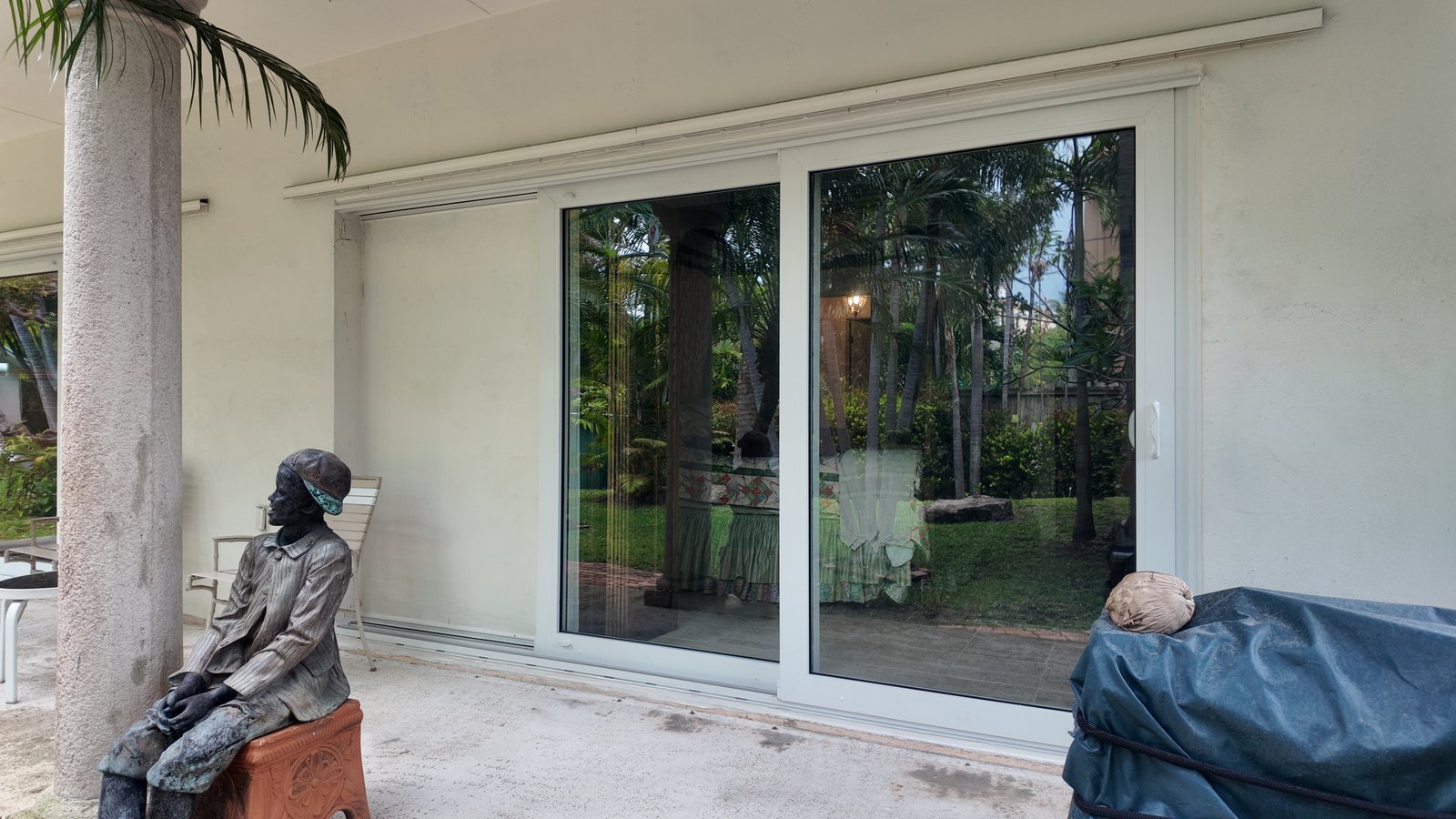
How to Verify a Manufacturer’s Approval Before You Sign Anything
The Florida Building Commission’s Statewide Product Approval search at floridabuilding.org is publicly accessible. You search by manufacturer name, product category (residential windows and doors), or approval number. The result shows the approval number, scope of approval (single-hung, casement, slider, etc.), and the design-pressure ratings in pounds per square foot.
For NOA verification, the Miami-Dade BCCO maintains a searchable NOA database. Search by manufacturer and product line. The NOA document itself will list the maximum sizes, design pressures, installation requirements (fastener type, embedment, edge distance), and any limitations on use.
What to look for:
- Product category must match your window type (single-hung, casement, horizontal roller).
- Design pressure (DP) rating must meet or exceed the design pressure for your specific opening calculated per ASCE 7 for your location.
- Maximum size listed in the approval must be equal to or larger than your actual opening size.
- Installation method (frame attachment, anchor spacing) in the NOA must be followed exactly — an approved product installed incorrectly is not a compliant installation.
One point that surprises homeowners: having an approved product installed is necessary but not sufficient for code compliance. The fastener spacing, embedment depth, and shim placement must also match the NOA/FPA requirements for your specific opening. This is why a knowledgeable installer matters as much as the product itself.
Manufacturer Comparison
What to Look For in an HVHZ-Eligible Window Manufacturer
The relevant question is not which brand has the best marketing — it is which products hold the right credentials for your county.
| Manufacturer Attribute | Minimum Standard (Anywhere in FL) | HVHZ Standard (Miami-Dade & Broward) |
|---|---|---|
| Code credential | Florida Product Approval | Miami-Dade NOA required |
| Frame material | Aluminum or vinyl | Aluminum preferred — more time-tested in HVHZ heat, UV, and salt air |
| Glass thickness | 5/16” minimum (builder grade) | 7/16” standard; 9/16” for high-rise or heavy-duty |
| Facility audits | Not required by FPA | Required by Miami-Dade NOA |
| Installation documentation | FPA approval number on permit | NOA document + product approval on permit set |
| Design pressure | Per opening DP per FBC | Per ASCE 7 HVHZ wind-load calculations for specific site |
When a Non-HVHZ Product Might Still Be the Right Fit
If your home is in Palm Beach County (outside HVHZ), a product with Florida Product Approval but no Miami-Dade NOA may be perfectly code-compliant, depending on your design-pressure requirements. The key question is whether the FPA-listed DP rating covers your opening. A contractor who understands how impact windows are specified and permitted can tell you exactly which credential you need before you spend a dollar.
License & Credentials
A Licensed Contractor, Not a Lead Aggregator
Bigfoot Windows & Roofing holds every license needed to pull your permit, handle structural scope in-house, and complete the project without sub-contracting the general contractor role to a third party.
“When a homeowner asks me which manufacturer to use, I start with one question: What county is the home in? That determines the credential tier first. Product preference comes second.”
President, Bigfoot Windows & Roofing
What Bigfoot Installs
Mr. Glass: Florida Product Approval on All Series, Miami-Dade NOA on the 2500T Door
We install aluminum-frame impact windows and doors. Here is what the credential picture looks like for the products we carry.
All Mr. Glass window and door series carry Florida Product Approval. The Mr. Glass Series 2500T thermally broken impact door holds a Miami-Dade Notice of Acceptance — making it eligible for HVHZ installations. The Mr. Glass Series 350 is rated for residential use only and is not appropriate for condominiums, high-rise buildings, or commercial applications. Series 200 and Series 300 are high-rise capable where the NOA supports the design pressure of the specific opening.
We recommend aluminum frames for South Florida homes. Aluminum has a longer track record than vinyl in HVHZ heat, salt air, and UV exposure. For homeowners concerned about energy efficiency, thermally broken aluminum frames add a thermal-barrier layer that reduces heat transfer without sacrificing the structural integrity that Miami-Dade’s wind-load demands require.
For glass coatings, SB 70 Low-E is our standard recommendation for South Florida. It provides strong solar heat reduction with a characteristic dark-green hue. Cardinal ClimateGuard 6227 carries equivalent specifications and is offered as a complimentary upgrade on whole-house replacement projects.
One product detail worth knowing before you specify: if your property is within two miles of saltwater, the 2604 wood-grain finish voids the manufacturer’s 10-year product warranty. The correct coastal specification is the 2605 finish. Coastal zone warranty compliance is something we verify at the quote stage, not after installation.
How It Works
From Manufacturer Verification to Passed Inspection: The Process
Knowing which manufacturer credential you need is step one. Getting the permit and passing inspection is the rest.
- Site assessment and opening measurements: We measure each opening and calculate the design pressure required for your specific location within Miami-Dade, Broward, or Palm Beach County.
- Product and credential matching: We confirm the selected product’s NOA or FPA DP rating covers your opening. For HVHZ homes, we verify the NOA number and scope.
- Permit application: We submit the permit application with the product approval documentation. Miami-Dade Building Department permit review typically takes two to six weeks for standard residential window replacement projects.
- Structural scope (if needed): Older South Florida homes sometimes require header resizing or hurricane strap evaluation when new windows have different rough-opening dimensions. Bigfoot handles this in-house under the Certified General Contractor license (CGC1531370), so structural modifications stay on the same permit set without requiring a separate GC subcontract.
- Installation per NOA/FPA requirements: Fastener type, spacing, embedment, and edge distances are installed exactly as the approval document specifies — not approximated.
- Final inspection: The building inspector verifies both the product credential and the installation method. A correctly permitted, correctly installed product passes.
If you want to explore financing options for your window replacement, PACE financing is available and paid through your property tax bill. Note that roofing and window scopes require separate PACE applications if you are combining projects.
Ready to verify which window manufacturer credentials are right for your home?
Or call Bigfoot Windows & Roofing at 786-886-2088
Related Articles


Who We’re Not the Right Fit For
We want you to go into this decision with accurate expectations. Bigfoot Windows & Roofing is not the right fit for every project or every buyer:
- Buyers whose project requires vinyl frames specifically: We install aluminum-frame impact windows. If your HOA or personal preference requires vinyl, we are not the right contractor — and we would tell you that upfront rather than substitute a product you did not ask for.
- Projects where speed-to-installation is the only priority: We pull permits, follow the NOA installation requirements precisely, and schedule inspections. If a contractor who skips the permit process sounds appealing to you, we are not that contractor — and we would encourage you to reconsider that path entirely.
- Commercial or high-rise window replacements requiring specialized curtain-wall systems: The Mr. Glass Series 350 is residential only. For large commercial glazing projects outside our product scope, we would point you toward a commercial glazing specialist.
- Buyers who have already purchased a window product and need someone to install it: We specify and supply the products we install so we can stand behind both the product credential and the installation method. We do not install customer-supplied windows.
FAQ
Frequently Asked Questions
Which window manufacturers have Miami-Dade Notice of Acceptance (NOA) approval for HVHZ installations?
Any manufacturer whose product line carries a Miami-Dade NOA is eligible for HVHZ installation. The Miami-Dade Building Department’s BCCO maintains a searchable NOA database where you can look up a manufacturer by name and product series. At Bigfoot, the Mr. Glass 2500T door series holds a Miami-Dade NOA. Verify the specific series and model before any purchase — an NOA on one product in a line does not automatically extend to another series from the same brand.
What is the difference between a Florida Product Approval and a Miami-Dade NOA for impact windows?
Florida Product Approval (FPA) is issued by the Florida Building Commission and is valid statewide. A Miami-Dade NOA is issued by Miami-Dade County’s Building Department and requires additional facility audits and compliance monitoring. A product with a current Florida Product Approval (FL number) that covers HVHZ use is legal to install in Miami-Dade and Broward. A Miami-Dade NOA is an additional certification some products also carry; it is not required for the permit. Outside HVHZ, FPA is the credential to verify. Both documents are publicly searchable before you purchase.
How do I verify a window manufacturer’s approval on the Florida Building Commission website?
Go to floridabuilding.org and use the Statewide Product Approval search tool. Search by manufacturer name or product approval number under the “Windows and Door” category. The result will show the approval number, product scope, design-pressure ratings, and maximum sizes covered. For Miami-Dade NOA verification, use the Miami-Dade BCCO online NOA search. Always confirm that the specific series, size, and configuration of your window matches the listed approval.
Does my South Florida home require impact windows, or can I use hurricane shutters under current Florida Building Code?
Florida Building Code Section 1609 requires that openings in the HVHZ be protected by either impact-rated glazing or an approved shutter system. Both are code-compliant paths. Impact windows provide continuous protection without the labor of deploying shutters before each storm. Shutters may be a valid option for specific openings. A permit is required for either approach, and the product — window or shutter — must hold the appropriate Miami-Dade NOA or Florida Product Approval for HVHZ use.
Are there window manufacturers based in Florida that make HVHZ-rated impact windows?
Yes — several manufacturers operate production or fabrication facilities in Florida and carry Miami-Dade NOA on qualifying product lines. Whether a manufacturer is Florida-based or out-of-state is less important than whether the specific product series holds the NOA for your opening type, size, and design pressure. Focus on the credential, not the geography. A contractor familiar with FBC Chapter 17 can guide you to products with the right approval for your county.
What does Florida Building Code Section 1609 actually require homeowners to verify before purchasing impact windows?
Section 1609 requires that fenestration (windows and doors) in wind-borne debris regions resist the design wind pressure calculated for the building site. For HVHZ, verify that the product holds a Miami-Dade NOA, that the NOA’s listed design-pressure rating meets or exceeds your calculated opening DP, that your opening size is within the NOA’s maximum listed dimensions, and that your installer follows the NOA’s fastener type, spacing, and embedment requirements exactly. Approval of the product does not guarantee compliance — installation method matters too.
Can Bigfoot handle structural changes needed when replacing windows in an older Miami-Dade home?
Yes. Older South Florida homes sometimes need header resizing or hurricane strap evaluation when impact windows have different rough-opening dimensions than the original frames. Bigfoot handles this structural scope in-house under the Certified General Contractor license (CGC1531370), which allows structural modifications to be addressed under the same permit set — without requiring a separate general contractor or a second permit application.
Schedule Your Free Estimate
Ready to get started? Request a free estimate — no phone call required.
Sources
- Florida Building Commission Statewide Product Approval database — floridabuilding.org
- Miami-Dade Building Department NOA search — miamidade.gov
- Florida Building Code Section 1609 (Wind Loads) and HVHZ Chapter 4 provisions — floridabuilding.org
- Bigfoot Windows & Roofing: Florida Product Approval, NOA, and HVHZ guidance — bigfootwindowsandroofing.com/impact-windows-miami-dade/
- Bigfoot Windows & Roofing: Impact windows cost and product guidance — bigfootwindowsandroofing.com/impact-windows-cost-south-florida/
Know the credential. Know the installer. Get it right the first time.
Call Bigfoot Windows & Roofing at 786-886-2088 or request a free estimate online.