Updated July 2026
Key Takeaways
- Impact windows are not bulletproof — they are tested to resist hurricane debris and forced entry, not ballistic rounds.
- Impact glass is two panes of tempered or annealed glass laminated to a PVB or SGP interlayer that holds the glass together when broken.
- Miami-Dade large-missile testing fires a 9-lb 2×4 at roughly 34 mph — far less energy than any firearm projectile.
- True bulletproof (ballistic) glass is rated under UL 752 standards and is a completely different product category.
- Impact windows do provide meaningful forced-entry and break-in resistance far beyond standard glass.
- The frame, anchors, and installation quality matter as much as the glass itself — the whole system must be rated together.
The Real Question
Why Homeowners Ask This — and Why the Answer Matters
You’ve heard impact windows called “virtually indestructible.” Ads use words like “fortress” and “unbreakable.” So it’s a fair question: can they actually stop a bullet?
The short answer is no — impact windows are not bulletproof. They were never designed to be. Bulletproof (ballistic-rated) glass is an entirely separate product category, tested under different standards, and typically installed in banks, armored vehicles, and high-security facilities — not residential homes.
What impact windows are designed to do is resist hurricane-force wind, windborne debris, storm pressure cycles, and opportunistic break-ins. In South Florida, where a Category 3 storm can send a 2×4 through an unprotected window at highway speed, that’s exactly the kind of protection that matters.
Understanding what impact glass actually stops — and what it doesn’t — helps you make a smarter buying decision and set the right expectations before installation day.
South Florida Context
Why the Miami-Dade Standard Is the Toughest in the Country
Miami-Dade and Broward counties sit inside the High-Velocity Hurricane Zone (HVHZ) — the strictest residential building code jurisdiction in the United States.
After Hurricane Andrew devastated South Florida in 1992, Miami-Dade County rewrote its product approval requirements from scratch. The result is a testing protocol that products must pass before they can legally be sold or installed in Miami-Dade and Broward. Other Florida counties follow the Florida Building Code, which is already demanding — but HVHZ products face an additional layer of scrutiny called the Miami-Dade Notice of Acceptance (NOA).
Any impact window or door installed in a Miami-Dade or Broward home must carry a valid Miami-Dade NOA or a Florida Product Approval (FL#) that specifies the exact conditions under which it was tested and approved. If a contractor installs a window that lacks the correct approval for your jurisdiction, it will not pass inspection — and it will not satisfy your insurance carrier.
This standard has nothing to do with stopping bullets — it has everything to do with surviving the real threat South Florida homeowners face: sustained 180+ mph winds and airborne debris traveling at speeds that can collapse a building envelope.
How Impact Glass Works
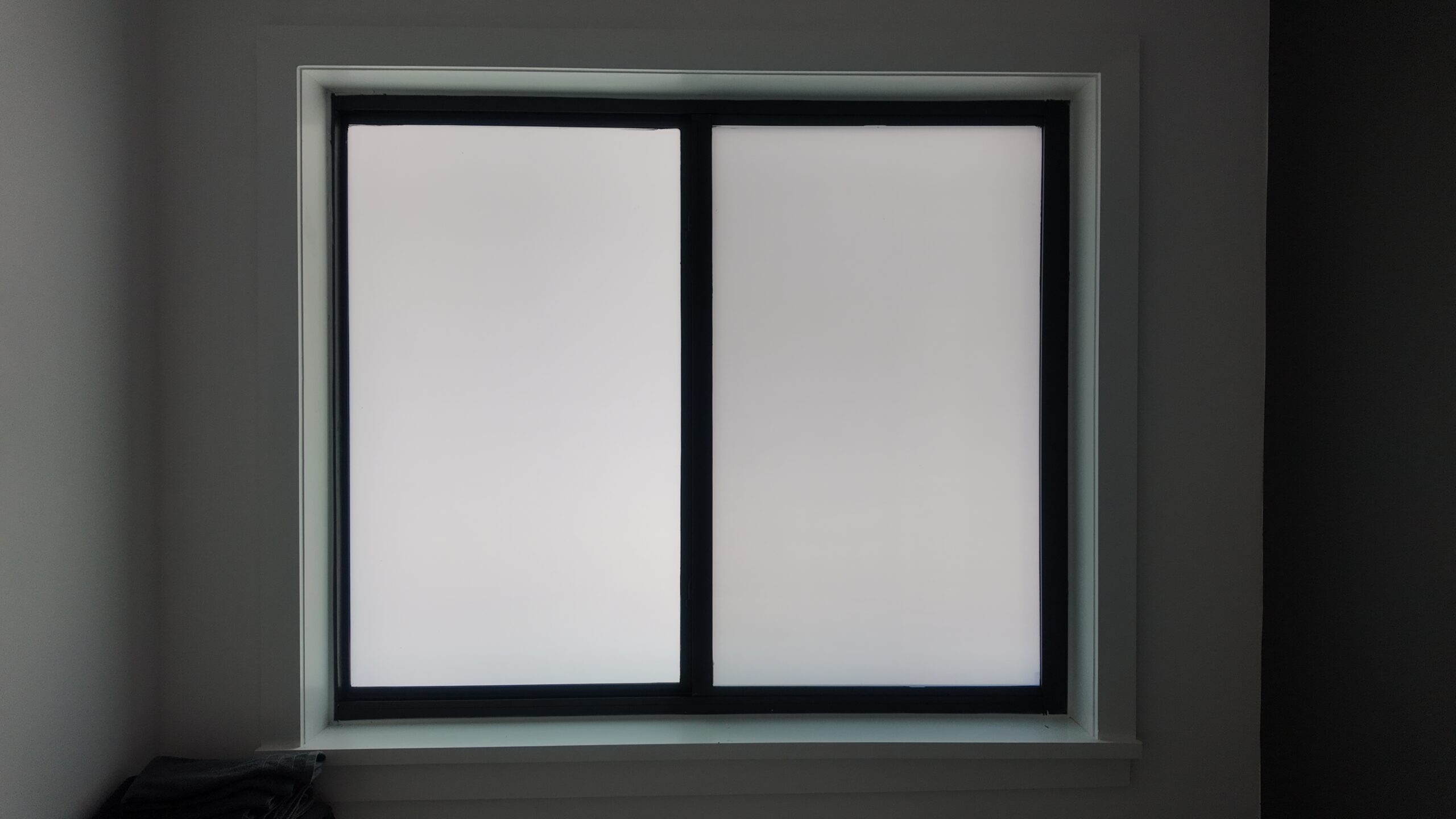
What Impact Glass Is Made Of — and What It Actually Resists
The science behind impact glass is lamination, not thickness. Here’s what’s actually inside your window.
A standard piece of residential glass shatters into sharp shards when struck. Impact glass is fundamentally different: it consists of two panes of glass permanently bonded to a polymer interlayer — typically polyvinyl butyral (PVB) or the stiffer sentry glass plus (SGP). When the glass is struck hard enough to crack, the interlayer holds the broken pieces in place. The window may be cracked and crazed, but it stays in the frame. Wind, rain, and debris cannot penetrate.
The Miami-Dade Large-Missile and Small-Missile Tests
Miami-Dade’s HVHZ testing protocol requires impact products to pass two distinct tests:
- Large-missile test: A 9-lb 2×4 lumber is fired at the glass at approximately 34 mph (50 feet per second). The glass may crack, but it cannot allow the missile to penetrate, and the window must then withstand repeated pressure cycles simulating a hurricane passing over the structure.
- Small-missile test: Ten 2-gram steel balls are fired at the glass at approximately 50 mph. Again, no penetration is allowed.
After the missile impacts, the window is subjected to positive and negative pressure cycling — simulating the real-world conditions of wind gusts and pressure differentials during a major storm. The window must hold its seal through all cycles.
| Test Factor | Miami-Dade Large-Missile | Ballistic UL 752 Level 1 |
|---|---|---|
| Projectile | 9-lb 2×4 lumber | .38 caliber lead bullet |
| Projectile speed | ~34 mph (50 fps) | ~850 fps (580 mph) |
| Purpose | Hurricane debris resistance | Gunfire resistance |
| Post-impact requirement | Pressure cycling survival | No spall (fragments) on safe side |
| Common application | Residential / HVHZ homes | Banks, security facilities |
A .38 caliber bullet travels at roughly 850 feet per second — about 17 times faster than the large-missile test projectile. The kinetic energy difference is enormous. Standard impact glass is not designed to absorb or deflect that energy, and it does not claim to.
Impact Glass vs. True Ballistic Glass
True bulletproof glass — properly called ballistic-rated glass — is typically multiple layers of polycarbonate and glass laminated to thicknesses of one inch or more. It is rated under UL 752 standards, which range from Level 1 (resists three .38 caliber rounds) up to Level 8 (resists multiple .30 caliber rifle rounds). Ballistic glass is heavy, extremely expensive, and not relevant to residential hurricane protection.
| Feature | Impact Window Glass | Ballistic-Rated Glass (UL 752) |
|---|---|---|
| Primary threat | Hurricane debris, forced entry | Firearms projectiles |
| Interlayer | PVB or SGP polymer | Polycarbonate + multi-layer laminates |
| Typical thickness | 5/16″ – 9/16″ | 1″ – 3″ or more |
| Testing standard | Miami-Dade NOA / FL Product Approval | UL 752 Levels 1–8 |
| Residential use? | Yes — standard in HVHZ | Rarely — cost-prohibitive |
| Stops bullets? | No | Yes (to rated level) |
What Impact Windows Do Strongly Resist: Forced Entry and Break-Ins
Here’s where impact windows genuinely shine beyond hurricanes. The same laminated interlayer that holds broken glass in place during a storm also makes smash-and-grab break-ins far more difficult. A burglar who punches through a standard single-pane window can reach through or climb through in seconds. An impact window — even after the glass cracks — retains a tough, sticky film that resists penetration and slows entry dramatically.
This is not a bulletproof claim. But it is a meaningful, documented forced-entry benefit. Most opportunistic break-ins happen within 60 seconds; if a window resists for longer than that, many intruders move on. Impact windows installed throughout your home close that vulnerability entirely for typical break-in attempts.
Glass thickness also matters here. At Bigfoot Windows & Roofing, we default to aluminum frames for South Florida installations — aluminum is more time-tested than vinyl in HVHZ heat, UV, and salt-air conditions. For glass, we typically recommend 7/16″ or 9/16″ laminated glass depending on the application and coastal proximity. Thicker glass with an SGP interlayer provides greater rigidity and forced-entry resistance than thinner PVB glass.
Product Guidance
Why the Frame and Anchors Matter as Much as the Glass
The glass alone doesn’t make an impact window — the whole system has to be rated and installed together.
A common misunderstanding is that buying “impact glass” is enough. It isn’t. The Miami-Dade NOA or Florida Product Approval covers a specific system: glass thickness, interlayer type, frame material, frame depth, and the fastener/anchor pattern used to attach the frame to the rough opening. Change one variable outside the approval — use a different anchor spacing, skip a shim, or install a product in a condition beyond its tested limits — and the system no longer performs as rated.
The frame does the structural work of transferring wind load from the glass to the building’s wall and structural framing. A weak or improperly installed frame can allow a window to blow out of the opening even if the glass itself is unbroken. This is why installation quality, not just product selection, determines real-world performance.
At Bigfoot, we install Mr. Glass impact windows and ES Windows — both carry Florida Product Approvals across their lines. Mr. Glass Series 200 (flagship single hung) and Series 300 (horizontal roller) are rated to 80/80 psf, suitable for high-rise and demanding coastal applications. Mr. Glass casements come with stainless steel hardware as a standard feature — not an upgrade — which is a meaningful differentiator in South Florida’s salt-air environment.
For projects that require structural modifications to the rough opening — widening an opening, adding a header, or addressing a compromised lintel — our Certified General Contractor (CGC1531370) license covers that scope in-house. Homeowners do not need to hire a separate structural contractor; we can handle structural modifications, hurricane strap inspections, and code-driven framing work under one coordinated project. That matters when a permit inspection requires structural documentation alongside the window installation.
Why License Depth Matters Here
A Licensed Contractor, Not a Lead Aggregator
Four active DBPR licenses. One point of accountability for the entire window and structural scope.
When your impact window installation also involves a structural header, a hurricane strap, or a rough opening that needs framing modification, you shouldn’t have to hire a second contractor and coordinate between them. Bigfoot holds the Glass & Glazing specialty license and the general contractor license under one roof — so the permit, the structural scope, and the window installation are all accountable to the same contractor.
“Impact glass is a system. The glass, the frame, the anchors, and the structural opening all have to work together. If any one of those pieces is wrong, the whole system underperforms — no matter how good the glass spec is.”
Bigfoot Windows & Roofing
How We Work
The Installation Process: From Estimate to Permit-Closed
Every impact window job in Miami-Dade and Broward requires a permit. Here’s how a typical project moves.
- In-home or virtual estimate: We measure each opening, confirm the building’s structural condition, and identify the right product series and glass spec for your location and use case. Coastal proximity (within 2 miles of water) triggers specific finish requirements — 2605 anodized finish rather than 2604 — and we flag that at the estimate stage, not on install day.
- Product approval and permit application: We pull the permit using the applicable Miami-Dade NOA or Florida Product Approval. In HVHZ jurisdictions, this is non-negotiable. The permit documents exactly which product was tested, under what conditions, and how it must be installed.
- Structural scope (if applicable): If an opening requires header reinforcement, lintel repair, or hurricane strap work, that scope is handled under our Certified General Contractor license before windows are set. This keeps the permit clean and the inspection sequence logical.
- Installation: Frames are set, anchored per the approval’s fastener schedule, and sealed. Glass is verified against the spec sheet on-site. We use aluminum frames as our default recommendation — they hold up better than vinyl in HVHZ heat, UV, and salt conditions over the long term.
- Inspection and close-out: The county inspector verifies the installation against the permit. We coordinate the inspection and obtain the closed permit for your records — which your insurance carrier and future buyers will want to see.
A 10-year Bigfoot workmanship warranty covers the installation. Mr. Glass carries a 10-year product warranty (effective October 2025) on their window lines.
Have questions about which impact glass spec is right for your home?
We’ll tell you exactly what’s appropriate for your opening size, coastal zone, and building type — no upsell, no pressure.
Side by Side
Impact Glass vs. Other Protection Options
How does impact glass compare to alternatives South Florida homeowners commonly consider?
| Protection Option | Hurricane Debris | Forced Entry | Permanent / Daily Use | Permit Required? |
|---|---|---|---|---|
| Impact windows (laminated) | ✓ Rated / tested | ✓ Strong resistance | ✓ Yes — always in place | Yes |
| Accordion hurricane shutters | ✓ Rated / tested | Moderate | Must be deployed manually | Yes |
| Panel shutters (aluminum/plywood) | Partial (rated products vary) | Low | Must be stored and installed | Varies |
| Standard double-pane (no laminate) | ✗ Not rated for HVHZ | ✗ Very low | N/A — not permitted in HVHZ | Yes (won’t pass) |
| Ballistic / bulletproof glass | Not tested for debris | ✓ Maximum | ✓ Permanent | Yes |
When Another Option Might Be a Better Fit
If your primary concern is literal ballistic protection — resisting gunfire rather than hurricane debris — impact windows are the wrong product. You need UL 752-rated ballistic glass, which is a specialty commercial product. If your concern is temporarily protecting a second home during storm season at the lowest possible cost, accordion shutters may be more appropriate. Bigfoot installs impact windows and doors as our core residential product because it is the right answer for the vast majority of South Florida homeowners — but we will tell you honestly when a different solution fits your situation better.
Who We’re Not the Right Fit For
- Homeowners seeking true ballistic protection: If your goal is to stop bullets, you need UL 752-rated ballistic glass — a specialized commercial product that Bigfoot does not install. We install hurricane-rated impact glass, which serves an entirely different purpose.
- Buyers on the tightest possible budget seeking the cheapest available window: We do not install builder-grade series windows in HVHZ conditions where a higher-rated product is required, and we don’t cut corners on the anchor schedule to save time. If you’re comparing bids and the lowest number is the only factor, we may not be the right fit.
- Projects outside Miami-Dade, Broward, and Palm Beach counties: Our crews and permitting relationships are concentrated in South Florida. If your project is in Central or North Florida, a local contractor with established inspector relationships will serve you better.
- Homeowners who want windows installed without a permit: Every impact window installation in HVHZ requires a permit. We pull permits on every job. If you’ve been quoted a faster or cheaper job that skips the permit, that job will not pass inspection and may not satisfy your insurance carrier.
FAQ
Frequently Asked Questions
Are impact windows bulletproof?
No. Impact windows are not bulletproof. They are designed and tested to resist hurricane-force debris and storm pressure cycles — not firearm projectiles. A bullet travels at roughly 850 feet per second, which is many times more energy than any debris-impact test standard. True bulletproof glass is a separate, specialty product rated under UL 752 ballistic standards and is not a standard residential product.
Can impact windows stop a bullet?
Standard impact windows cannot stop a bullet. The laminated glass construction slows penetration compared to ordinary glass, but it is not rated to resist any caliber of firearm. If bullet resistance is your goal, you need UL 752-rated ballistic glass, which is a completely different product category — typically one inch or more thick and installed in high-security commercial settings.
What is impact glass made of?
Impact glass is two panes of tempered or annealed glass permanently bonded to a polymer interlayer — typically polyvinyl butyral (PVB) or the stiffer sentry glass plus (SGP). When struck hard enough to crack, the interlayer holds the broken pieces together so the window stays in the frame and maintains its seal against wind and rain. Standard residential impact glass ranges from 5/16" to 9/16" thick.
Do impact windows stop break-ins and forced entry?
Yes — significantly better than standard glass. The laminated interlayer that holds broken glass in place during a storm also makes smash-and-grab break-ins far more difficult. After the outer pane cracks, the interlayer remains as a tough, sticky barrier that resists penetration and slows entry. Most opportunistic break-ins rely on speed; impact glass removes the quick smash-and-reach option most burglars depend on.
What is the difference between impact glass and bulletproof glass?
Impact glass is tested under Miami-Dade or Florida Building Code standards to resist a 9-lb 2×4 fired at approximately 34 mph, followed by hurricane pressure cycling. Bulletproof (ballistic) glass is rated under UL 752 standards to resist firearm projectiles traveling at 800+ feet per second. The two products use different construction, different thicknesses, different interlayer materials, and serve completely different purposes. They are not interchangeable.
How are impact windows tested for HVHZ approval?
In Miami-Dade’s High-Velocity Hurricane Zone, impact windows must pass a large-missile test (a 9-lb 2×4 fired at ~34 mph with no penetration) and a small-missile test (ten 2-gram steel balls at ~50 mph). After impact, the window undergoes repeated positive and negative pressure cycling simulating a hurricane. Products that pass receive a Miami-Dade Notice of Acceptance (NOA), which is accepted — as is a Florida Product Approval that covers HVHZ use — for any installation in Miami-Dade or Broward county.
Can I finance impact window installation in South Florida?
Yes. PACE financing (paid through your property tax bill, not a bank loan) is commonly used for impact window projects in South Florida. The My Safe Florida Home grant program offers up to $10,000 and can be stacked with PACE financing. Window and door scopes should be submitted as separate PACE applications. For qualifying property owners, there may be tax benefits available — consult your CPA for specifics.
Sources
- Miami-Dade County Product Control Division — Notice of Acceptance (NOA) requirements and testing protocols. miami-inspections.com/product-control
- Florida Building Code, 8th Edition — Section 1609 (Wind Loads) and HVHZ provisions.
- Underwriters Laboratories — UL 752 Standard for Bullet-Resisting Equipment.
- FEMA P-424: Design Guide for Improving School Safety in Earthquakes, Floods, and High Winds — laminated glass performance data referenced for educational framing only.
Ready to upgrade to properly rated impact windows?
We’ll walk you through the right glass spec, frame material, and approval requirements for your specific Miami-Dade, Broward, or Palm Beach address — and pull every permit correctly the first time.