
Updated July 2026
Key Takeaways
- In most Florida cases, replace the roof first — it sets the structural foundation for everything else.
- A failing or aging roof can void window warranties and complicate the permit inspection process.
- Your insurance carrier may require a new roof before issuing or renewing a policy — windows come second.
- Doing both projects close together can reduce permit fees, scheduling overhead, and insurance premium impact all at once.
- Financing both through PACE keeps them on your property tax bill — but roofing and window applications must be filed separately.
The Real Problem
Why the Sequence Question Keeps Tripping Up Florida Homeowners
You have a budget. You cannot do everything at once. And every contractor you call tells you to start with their trade.
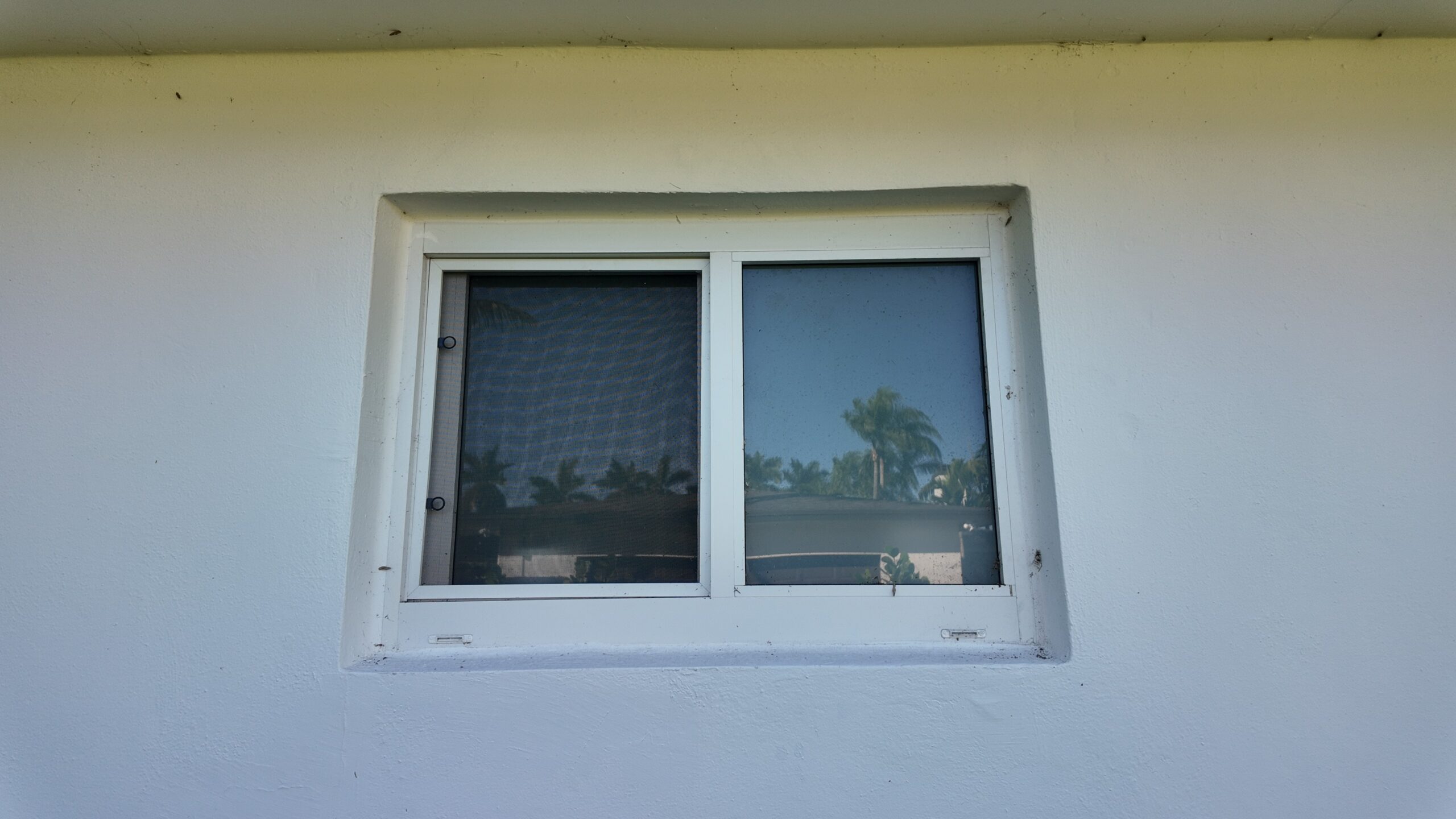
South Florida homeowners face a compounding upgrade problem that homeowners in calmer climates rarely encounter. Hurricane season creates urgency every year. Citizens Insurance is non-renewing homes with roofs that are 20–25 years old or older. The High-Velocity Hurricane Zone (HVHZ) — covering Miami-Dade and Broward counties — enforces the strictest building code requirements in the United States. And the cost of impact-rated windows plus a new roof can easily reach five figures even on a modest home.
So when a homeowner calls and says, “I want to do windows this year and roof next year — does that make sense?” — the honest answer is: it depends on a few specific factors that most contractors never explain. This article walks through those factors clearly, so you can make the right call for your home and your budget.
South Florida Context
What Makes Florida Different From Every Other Market
HVHZ rules, Citizens non-renewals, and salt-air degradation change the math entirely.
In most U.S. markets, choosing between a roof and windows is primarily a comfort-and-curb-appeal decision. In Miami-Dade, Broward, and Palm Beach counties, it is a coverage decision first.
- Citizens Insurance non-renewals: Citizens Property Insurance Corporation has been actively non-renewing policies on homes with roofs older than 20–25 years. If your roof ages out of coverage eligibility, your windows are irrelevant to the underwriter.
- HVHZ product approval: Every window and door installed in the HVHZ must carry a valid Miami-Dade Notice of Acceptance (NOA) or Florida Product Approval. Pulling that permit is easier and less risky when the roof is already compliant and watertight.
- Salt-air degradation: Coastal homes within two miles of saltwater face accelerated corrosion on roofing hardware and window frames. Aluminum frames outperform vinyl in this environment — a key reason we recommend aluminum impact windows for South Florida homes rather than vinyl.
- Shingle lifespan: South Florida heat, UV exposure, and storm cycles shorten shingle lifespan to roughly 12–15 years — compared to 20–25 years in milder climates. If your shingles are 10+ years old, the window-first sequence carries real risk.
The Florida Building Code — and specifically the HVHZ provisions that govern Miami-Dade and Broward — also means that structural work, permit coordination, and inspection sequencing matter more here than almost anywhere else in the country.
The Decision Framework
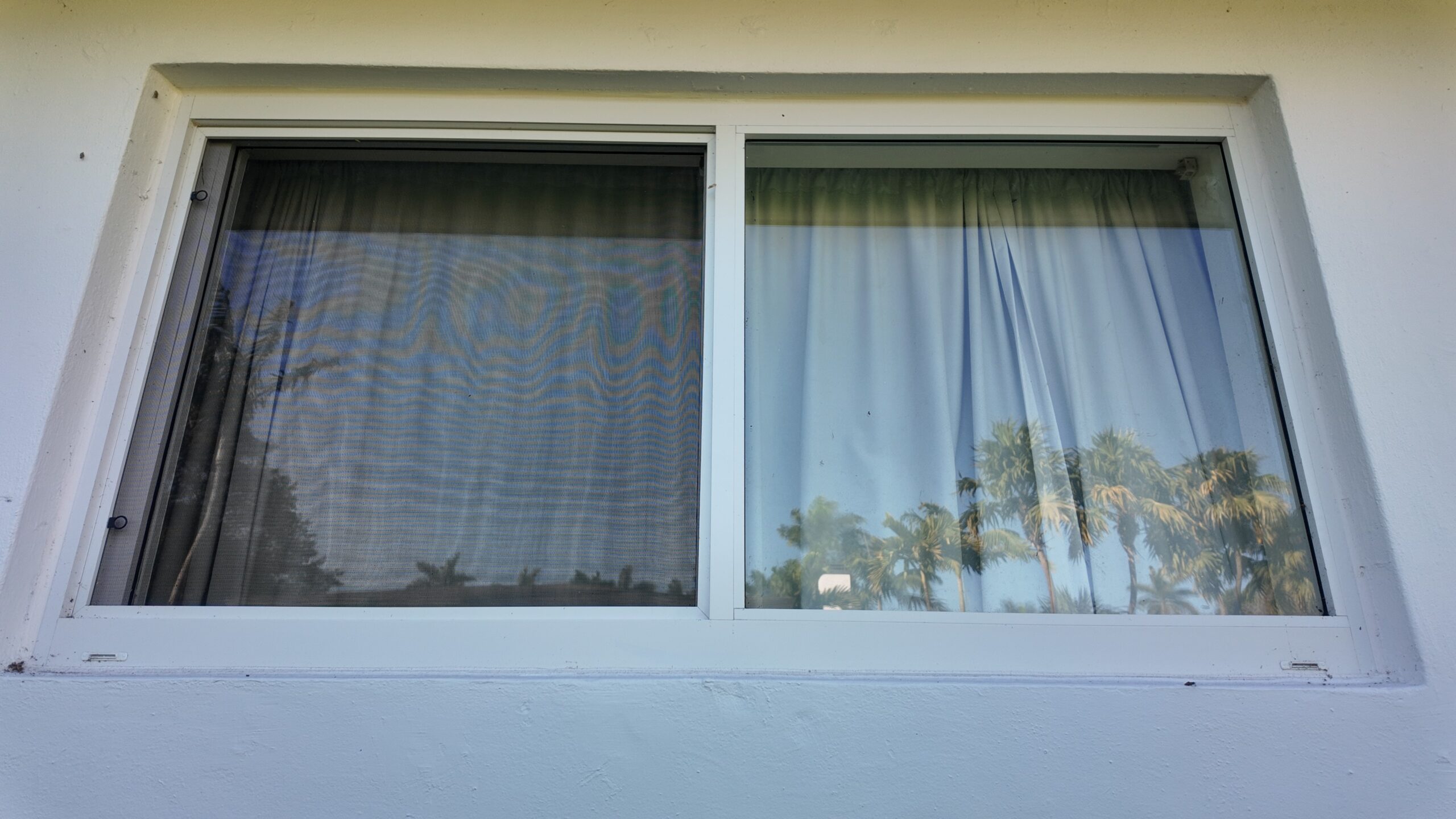
How to Decide: Roof First, Windows First, or Both Together
Three questions that cut through the noise.
Question 1: How old is your roof — and does your insurer care?
If your roof is within 5–7 years of triggering a Citizens non-renewal (or is already flagged), the roof is not optional. No amount of new windows will satisfy an underwriter who has decided the roof is the liability. Roof first — full stop.
Question 2: Is your roof structurally sound?
A roof that is leaking, has active rot, or has missing shingles is an active threat to everything inside the home — including any new windows you install. Water intrusion along the roofline can wick into window rough openings, compromise the sealant, and void installation warranties. If there is any active roof problem, install the roof first.
Question 3: Are your current windows already creating a life-safety risk?
If you have single-pane jalousie windows or non-impact glass in a home that has never been upgraded, those openings are a structural vulnerability in a named storm. In this narrow case — a sound newer roof combined with completely unprotected openings — prioritizing window protection first is defensible. But it remains a less common scenario in South Florida where roofs and windows tend to age together.
| Scenario | Roof Age | Recommended Sequence | Primary Reason |
|---|---|---|---|
| Roof near end of life | 15+ years | Roof first | Insurance coverage eligibility |
| Active roof leak or damage | Any age | Roof first | Prevent window install damage |
| Roof < 5 years old, single-pane windows | Under 5 yrs | Windows first | Life-safety storm protection |
| Both aging simultaneously | 10–15 years | Both together | Maximize insurance premium reduction |
| Budget is the only constraint | Any | Roof first | Structural hierarchy |
The Insurance Argument for Doing Both Together
A wind mitigation inspection after completing both a new roof and impact windows in the same season often produces a larger insurance premium reduction than two separate inspections 12–18 months apart. That is because insurers assess the home as a system. A new qualifying roof combined with impact openings on all windows and doors is the combination that unlocks the deepest wind-mit credits — and in South Florida, those credits can be substantial.
We have seen customers reduce their annual premium significantly after completing both upgrades and then shopping carriers. We cannot quote a specific dollar amount — every policy, carrier, and home is different — but the directional impact of the combined upgrade is well-documented by Florida’s wind mitigation inspection form (OIR-B1-1802).
Side-by-Side Comparison
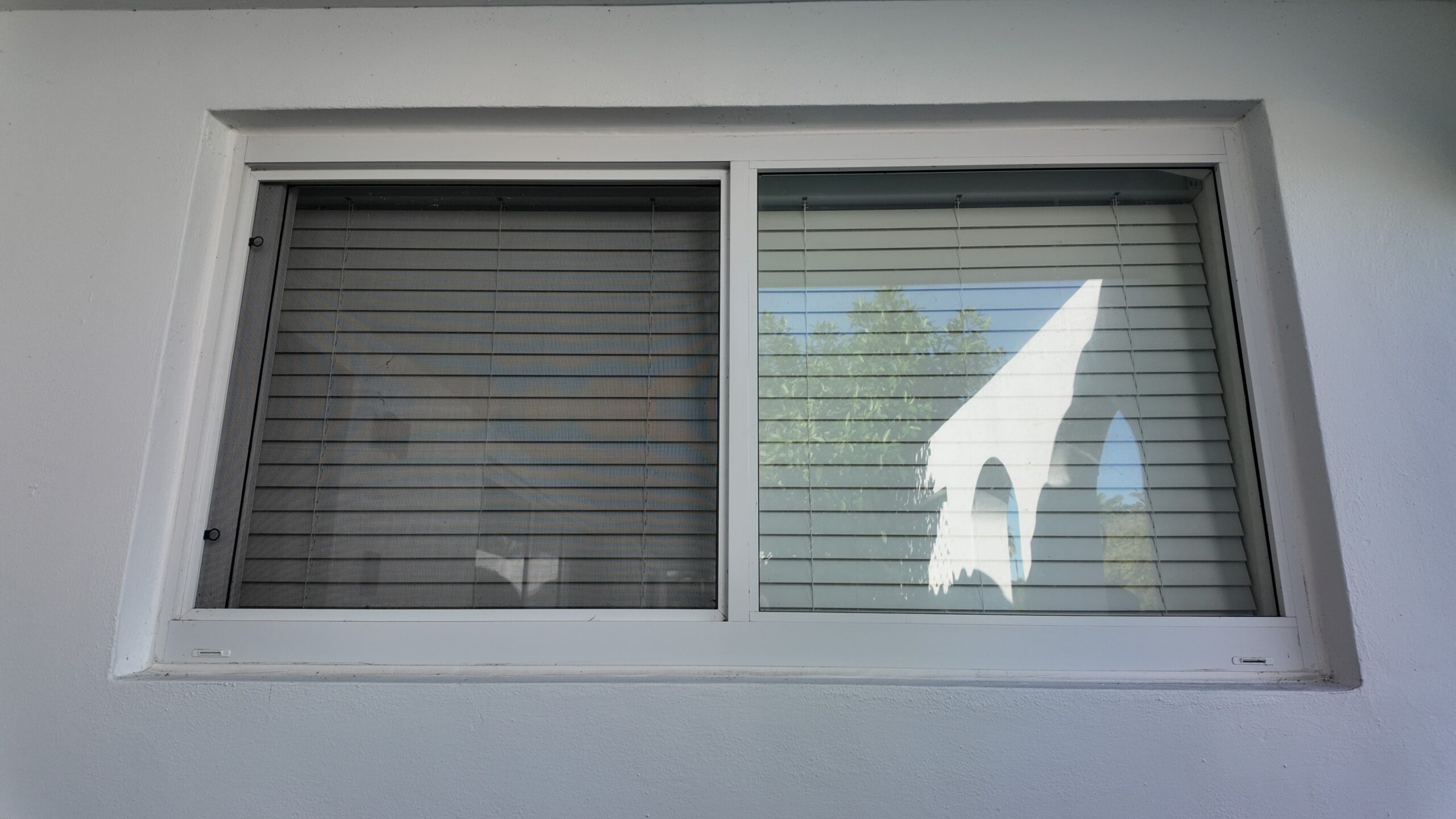
Roof First vs. Windows First vs. Both Together
A direct comparison of all three approaches for South Florida conditions.
| Factor | Roof First | Windows First | Both Together |
|---|---|---|---|
| Insurance eligibility risk | Resolved | Remains if roof ages out | Fully resolved |
| Storm protection | Partial (openings unprotected) | Partial (roof still aging) | Full envelope |
| Permit coordination | Two separate pulls | Two separate pulls | One mobilization |
| Wind mit inspection timing | Delayed full benefit | Delayed full benefit | Full benefit immediately |
| Contractor scheduling overhead | Two mobilizations | Two mobilizations | One mobilization |
| Financing complexity | One PACE app | One PACE app | Two PACE apps (required separately) |
| Risk to new windows from old roof | Eliminated | Present | Eliminated |
When windows first is the right fit: Your roof is relatively new (under 5–7 years), your insurance policy is not at risk, and your existing windows are single-pane or non-impact — meaning your home is structurally vulnerable in a storm right now. In that specific situation, protecting the openings first is a reasonable decision.
Why Bigfoot Handles Both
One Contractor. Four Licenses. No Coordination Gap.
A licensed contractor who can pull roofing and window permits on the same home — not a lead aggregator passing your project to a subcontractor you have never met.
“When a homeowner is doing a roof and windows together, the sequencing, the permit timing, and the inspection coordination matter. Having one entity licensed across both trades means those conversations happen internally — not across two contractors who have never worked together.”
Darryl Rosenbaum
President, Bigfoot Windows & Roofing
Because Bigfoot holds a Certified General Contractor license (CGC1531370) in addition to its roofing and glass licenses, the company is structured to coordinate multi-trade scope — including structural work such as hurricane strap upgrades or decking repairs that emerge during a roof replacement — without requiring a homeowner to source a separate contractor for those items. This is not a claim about delivering better outcomes; it is a factual description of the license authority that makes coherent coordination possible under one contract.
Product Guidance
What Roof and Window Products Make Sense for This Sequence
Material choices affect sequencing risk, permit complexity, and long-term warranty coverage.
Roofing: Metal vs. Shingle vs. Tile
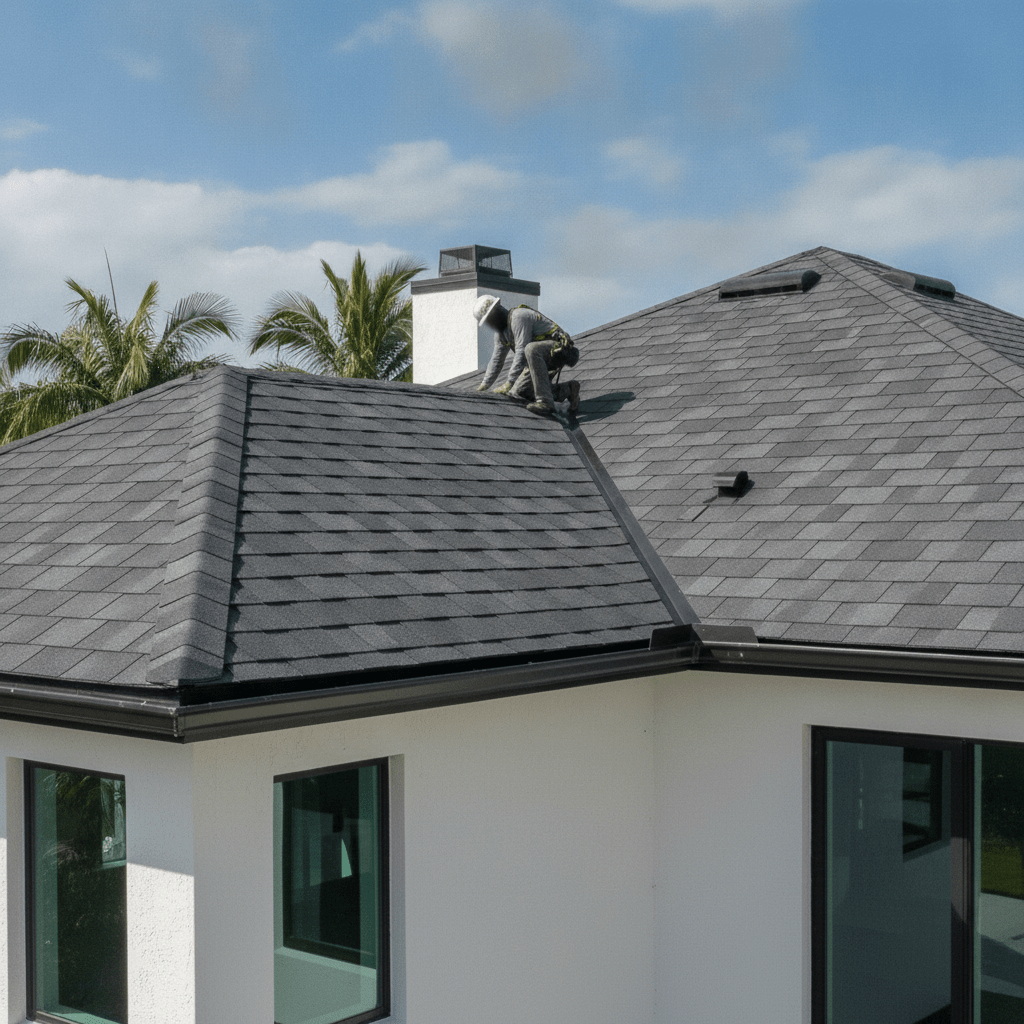
If you are replacing a roof ahead of windows, your choice of roofing material affects how long you can wait before the roof needs attention again — and therefore how much runway you have for the window project.
- Metal standing seam (Englert or Metal Alliance): Panels run one continuous piece from bottom to top — no horizontal seams — which is a meaningful structural advantage in hurricane conditions. If budget allows, metal is the roof you replace once.
- GAF architectural shingles: Bigfoot holds GAF Certified Plus certification, which means System Plus warranty availability — 50-year non-prorated, covering shingles, labor, tear-off, and accessories, with Wind Proven coverage that carries no maximum mph cap and is not voided by a named storm hitting your county. Shingles in South Florida typically last 12–15 years; Layer Lock technology and the wider nail line (1.81 inches, 600% wider than pre-2020 shingles) meaningfully improve performance.
- Concrete or barrel tile: Long-lasting when set correctly. Poly Set foam installation provides 180 mph wind resistance versus 160 mph for mechanical fasteners. Popular in Southeast Florida HOA communities.
Windows: Aluminum Impact Frames for South Florida
We recommend aluminum impact frames — not vinyl — for South Florida homes. Aluminum is more proven in the HVHZ heat, humidity, UV exposure, and salt-air environment that defines coastal Miami-Dade and Broward properties. For energy efficiency, thermally broken aluminum frames provide meaningful insulation without compromising the structural integrity that aluminum delivers.
The window lines we install are Mr. Glass (primary) and ES Windows (secondary). Mr. Glass carries Florida Product Approval on all lines. If your property is within the HVHZ, every opening must carry a valid Miami-Dade NOA or Florida Product Approval — your contractor should be pulling that documentation, not asking you to verify it.
If you are doing both projects together, the impact window installation is typically sequenced after the roof is dried in and inspected — protecting the new frames from any roofing-related debris or moisture during the tear-off phase.
How the Process Works
What a Combined Roof and Window Project Looks Like Step by Step
From first estimate to final inspection — what to expect when you do both together.
- Scope consultation: Both projects are assessed together. Roof condition, window rough opening sizes, structural needs (hurricane straps, decking condition), and permit requirements are reviewed in one visit rather than two.
- Permit coordination: Roofing permit and window/door permit are filed with the municipality. In Miami-Dade HVHZ, NOA or Florida Product Approval documentation for the window product is submitted with the permit application.
- Roof installation first: Tear-off, decking inspection, secondary water barrier (peel-and-stick underlayment qualifies for the Citizens insurance discount; 30-lb felt does not), then new roofing system installed and dried in.
- Roof inspection: Municipal inspection is passed before window work begins. This protects the window frames from any residual roofing activity.
- Window and door installation: New impact openings installed, sealed, and prepared for inspection. Aluminum frames are set to manufacturer spec.
- Final inspection: Both trades receive final sign-off. The homeowner receives documentation needed for the wind mitigation inspection.
- Wind mitigation inspection: A licensed inspector completes the OIR-B1-1802 form. This form is what your insurance carrier uses to calculate wind-mit credits. Submit it to your insurer or have your agent submit it — then shop carriers for the best rate using the new form.
If you are doing a roofing project alone this year and windows next year, steps 1–4 apply to the roof phase, and steps 5–7 apply after the window project is complete. Just be aware that your wind-mit inspection captures the full picture only after both upgrades are done.
Not sure which project to prioritize for your home?
We will give you a straight answer — roof age, insurance exposure, and budget all factor in. No pressure, no upsell.
Or request a free estimate online — no phone call required to get started.
Who We’re Not the Right Fit For
Bigfoot Windows & Roofing is not the right contractor for every homeowner. Here is an honest look at situations where we are probably not your best option:
- You need the absolute lowest price and are comparing multiple bids on price alone. We use aluminum frames (not vinyl), install GAF roofing systems as a GAF Certified Plus contractor, and pull every permit. That costs more upfront than a contractor cutting corners on product grade or skipping permits. If the lowest bid wins, we are probably not it.
- You are outside our service area. We operate in Miami-Dade, Broward, and Palm Beach counties. If your property is outside South Florida, we are not able to serve you.
- Your project is primarily commercial or high-rise condo. Some residential window lines (like the Mr. Glass Series 350) are not rated for condo or high-rise use. If your project requires commercial-grade specifications throughout, confirm early that the product line is appropriate — we will tell you honestly if it is not.
- You need financing as the only path and your property does not qualify for PACE. PACE is paid through your property tax bill and has qualification requirements. If your property does not qualify and you have no other financing pathway, the project may not be feasible right now. We will tell you that at the estimate — not after you have signed a contract.
Keep Reading
Related Articles
Common Questions
Frequently Asked Questions
Should I replace my roof or windows first?
Replace the roof first in most cases. A compromised or aging roof creates water intrusion risk that can damage new window frames and void installation warranties. It can also trigger an insurance non-renewal regardless of window condition. If your roof is under five years old and your windows are single-pane non-impact glass, windows may be the higher-priority life-safety upgrade — but the roof-first rule applies to the large majority of South Florida homes.
Does my roof condition affect my home insurance in Florida?
Yes, directly. Citizens Property Insurance Corporation has been non-renewing policies on homes with roofs 20–25 years old or older. Private carriers have similar thresholds. An aging roof can make a home uninsurable at standard rates — or uninsurable at all through certain carriers. New windows do not offset an aging roof in an underwriter’s eyes. Resolving the roof condition first restores insurability, and a new roof combined with impact windows can meaningfully reduce your premium through wind mitigation credits.
Can I replace my roof and windows at the same time?
Yes, and for many South Florida homeowners it is the most efficient path. Doing both together reduces the number of permit pulls, contractor mobilizations, and inspection visits. It also allows a single wind mitigation inspection to capture the full benefit of both upgrades at once rather than two partial inspections spread across 12–18 months. The practical requirement is working with a contractor who is licensed across both trades — or coordinating two separate contractors with a clearly defined sequence.
Which upgrade lowers my insurance premium more — roof or windows?
Both upgrades affect the Florida wind mitigation inspection form (OIR-B1-1802), which is what drives your credit. A qualifying new roof addresses roof cover, deck attachment, and roof-to-wall connection fields on the form. Impact windows and doors address the opening protection field. The largest premium reductions generally come from completing both — the roof and the impact openings — because the combined result affects multiple rating factors simultaneously. Neither upgrade alone produces the same result as the two combined.
How do I finance both a roof and windows in Florida?
PACE financing (Property Assessed Clean Energy) is a common path — payments are made through your property tax bill, not a bank loan, at approximately 9.49% with terms up to 20 years. Important: roofing and window projects must be filed as separate PACE applications — they cannot be combined into one. The My Safe Florida Home grant program offers up to $10,000 and can be stacked with PACE financing. For qualifying property owners, there may also be tax benefits available — consult your CPA. Learn more on our financing options page.
Do new windows or a new roof add more value to a Florida home?
Both upgrades add value, but in different ways. A new roof directly affects insurability, which affects salability — a buyer who cannot get insurance on a home cannot close a conventional mortgage. Impact windows address storm protection, energy efficiency, and noise reduction, and they are increasingly expected by buyers in South Florida markets. In resale terms, a new roof often resolves a deal-blocking condition while impact windows are a value-add that differentiates the property. If forced to choose one for resale purposes, address the roof first if it is near end of life.
What permits are required for roof and window replacement in Miami-Dade?
Both projects require separate building permits in Miami-Dade County. Roofing permits cover the scope of tear-off, decking, and new roofing system installation. Window and door permits require product approval documentation — in the HVHZ, every opening must have a valid Miami-Dade NOA or Florida Product Approval on file. Your contractor is responsible for pulling these permits; if a contractor suggests doing either project without a permit, that is a significant red flag in the HVHZ market.
Sources
- Florida Department of Financial Services — Wind Mitigation Inspection Form OIR-B1-1802
- Citizens Property Insurance Corporation — Roof Age Eligibility Guidelines
- Florida Building Code, 8th Edition — High-Velocity Hurricane Zone Provisions
- Miami-Dade County Product Control — Notice of Acceptance (NOA) requirements
- GAF — System Plus Warranty and Wind Proven coverage documentation

Ready to Get Started?
Get a Straight Answer on Your Home’s Upgrade Sequence
We will assess your roof age, window condition, and insurance exposure and tell you exactly what order makes sense — and what it will cost. No pressure. No runaround.
Or call Bigfoot Windows & Roofing at 786-886-2088.