
Key Takeaways
- A South Florida roof replacement typically takes 3–8 weeks from permit to final inspection — not 1–3 days like many homeowners expect.
- Miami-Dade and Broward are part of the High-Velocity Hurricane Zone (HVHZ), the strictest building code jurisdiction in the United States.
- Permits, multi-stage inspections, and mandatory materials with a Miami-Dade NOA or a Florida Product Approval that covers HVHZ use all add time — and they are non-negotiable.
- Hidden decking rot, mid-project engineering changes, and summer rainy-season delays can extend any job by days to weeks.
- A contractor who cannot pull its own permit or skips inspections is a red flag — not a time-saver.
The Homeowner Problem
You Were Told It Would Take Two Days. It Has Been Three Weeks.
Here is why that gap is not your contractor being slow — it is South Florida being South Florida.
A contractor in Ohio or Tennessee can tear off a roof, install new shingles, and be done in a day or two. Florida — and especially Miami-Dade and Broward — does not work that way. The state has the most rigorous residential roofing code in the country, driven directly by the catastrophic damage Hurricane Andrew caused in 1992. What feels like a slow project is actually a heavily regulated one, and that regulation exists to protect your home during a Category 4 storm.
Understanding why roof replacements take longer here helps you set realistic expectations, ask the right questions, and spot contractors who are cutting corners.
South Florida Context
The HVHZ Changes Everything About How a Roof Gets Built
Miami-Dade and Broward counties sit inside the High-Velocity Hurricane Zone — and every material and method must prove it can survive that environment.
The High-Velocity Hurricane Zone (HVHZ) designation means that roofing products must hold a Miami-Dade NOA or a Florida Product Approval that covers HVHZ use before they can be legally installed on your home. An NOA is not a sticker — it is the result of laboratory impact testing, wind uplift testing, and physical product review by Miami-Dade County’s Building Department. Products that pass in other states can fail here, and if a contractor installs a product without HVHZ product approval, your home will fail inspection and potentially lose insurance coverage.
Palm Beach County follows the Florida Building Code but is not part of the HVHZ — its inspection process is still multi-stage, just slightly less demanding than Miami-Dade. Even so, a Palm Beach roof job runs longer than a Midwest job because Florida’s permitting infrastructure is thorough statewide.
The Full Timeline Explained
What Actually Happens Between Signing a Contract and Passing Final Inspection
Most homeowners picture a roof replacement as: crew arrives, old roof comes off, new roof goes on, done. In South Florida, the actual sequence looks like this:
| Phase | Typical Duration | What Can Extend It |
|---|---|---|
| Estimate & material selection | 1–5 days | Complex roofs, multiple bids |
| Permit application | 3–15 business days | Backlog at building dept., structural drawings required |
| Material delivery & scheduling | 3–7 days | Supply chain, crew availability |
| Tear-off & decking inspection | 1–2 days installation + inspection hold | Hidden rot, required decking replacement triggers engineer review |
| In-progress inspections (HVHZ) | 1–3 inspection windows | Inspector availability, failed inspection → re-do → re-inspect |
| Full installation | 1–4 days | Roof size, complexity, rain shutdowns |
| Final inspection | 1–5 business days | Inspector schedule, punch-list corrections |
Add those phases together on a typical Miami-Dade residential roof replacement and you are looking at 3–8 weeks from signed contract to certificate of completion — and that assumes no significant surprises.
The Permit Is Not Optional — and It Takes Time
Florida law requires a permit for any roof replacement (not just repairs). The permit application must include your contractor’s license number, product NOA numbers or Florida Product Approval numbers that cover HVHZ use, and in many cases a signed and sealed engineer or architect drawing if the home has structural considerations. Miami-Dade’s building department processes permits in sequence; during busy post-storm seasons, the queue can stretch to three or more weeks just for permit issuance — before a single nail is pulled.
A contractor who offers to skip the permit or “handle it later” is not doing you a favor. They are transferring legal and financial liability to you, and an unpermitted roof can prevent a future insurance claim from being paid.
The Multi-Stage Inspection Chain
Florida’s HVHZ requires multiple inspections at defined stages — not just one at the end. A typical Miami-Dade roof replacement requires:
- Dry-in inspection — after the underlayment (peel-and-stick in most post-2024 code installs) is applied but before the final material goes on. The inspector verifies the secondary water barrier installation method.
- In-progress inspection — for tile, metal, or structural scope, inspectors may require a mid-install visit to verify fastening patterns and clip systems.
- Final inspection — all work complete; inspector reviews flashing, ventilation, penetrations, and code compliance paperwork.
Each inspection requires scheduling with the county, and inspectors often have 3–5 business day availability windows. If an in-progress inspection fails — a wrong clip spacing, a missed fastener — work must stop, corrections must be made, and a re-inspection must be scheduled. That alone can add a week or more to a job.
Hidden Decking Rot and Mid-Project Engineering Changes
South Florida’s heat and humidity accelerate wood rot. It is common for a crew to tear off a 20-year-old roof and find that 30–60% of the decking needs to be replaced. That decking replacement must be permitted, inspected, and in some cases reviewed by a structural engineer — especially if the home has hurricane strap deficiencies that surface during tear-off.
This is where having a contractor who holds a Certified General Contractor (CGC1531370) license matters structurally. Decking rot that reveals failed hurricane straps, compromised rafters, or code-noncompliant sheathing thickness is a structural scope issue — not just a roofing scope issue. A contractor authorized to coordinate structural modifications can address those findings in-house without stopping the job to hire a separate GC, which adds time and coordination complexity. Learn more about how we handle roofing and structural scope together.
The South Florida Rainy Season
From approximately June through September, South Florida receives intense daily afternoon rain. Roofing crews cannot apply dry-in underlayment, install metal panels, or set tile in active rain. Jobs scheduled during rainy season routinely lose one to two half-days per week to weather shutdowns, and in a heavy week, a crew may lose two full days. A contractor who gives you a tight completion date during August without accounting for weather is not being realistic.
South Florida vs. Rest of U.S.
Why Florida Timelines Are Structurally Different
| Factor | Typical U.S. Market | South Florida (HVHZ) |
|---|---|---|
| Permit required? | Often not for re-roof | Always required by law |
| Inspection stages | 0–1 final inspection | 2–3 mandatory inspections |
| Product requirements | IRC-compliant materials | Miami-Dade NOA or a Florida Product Approval that covers HVHZ use required |
| Wind design standard | 90–130 mph | 175+ mph HVHZ design |
| Typical calendar time | 1–3 days on-site | 3–8 weeks start to finish |
| Structural scope discovery | Rare mid-project finding | Common — age + humidity |
Why It Matters Who Pulls the Permit
A Licensed Roofing Contractor — Not a Lead Aggregator
The permit is in the contractor’s name. So is the liability if inspections fail.
“When I see a homeowner frustrated by timeline, it’s almost always because no one explained the inspection sequence up front. We walk through every stage before we start — not after a delay happens.”
Darryl Rosenbaum
President, Bigfoot Windows & Roofing
Material Choices & Their Timeline Impact
Does the Roofing Material Affect How Long the Job Takes?
Yes — each material type has a different inspection rhythm and lead time.
| Material | On-Site Install Days | Notes on Timeline |
|---|---|---|
| GAF architectural shingle | 1–2 days | Fastest install; dry-in + final inspection required |
| Concrete or clay tile | 3–6 days | Heavier; may require structural review; in-progress inspection often required |
| Standing seam metal (Englert or Metal Alliance) | 2–4 days | Custom-fabricated on-site; clip inspection stage adds time; longest-lasting |
| TPO flat roofing | 1–3 days | Tapered insulation layout adds design time; final inspection critical |
We install GAF shingle roofing with System Plus warranty capability, Englert or Metal Alliance standing seam metal, Westlake tile, and TPO flat roofing. Each has a different timeline profile, and we will tell you which one fits your project timeline honestly — not just what you want to hear.
If the project requires financing through a PACE program, note that PACE applications for roofing must be a separate application from any window work — combining them on one application is a processing error that can delay funding and delay your project start.
Our Process
How We Walk You Through the Timeline Before Work Begins
- Estimate & scope review — We assess the roof, identify any visible decking concerns, and give you a written estimate with material options and approximate timeline ranges, not a single number.
- Permit application — We pull the permit in our name and track its status. We give you a realistic permit timeline based on current building department backlog.
- Pre-install coordination — We confirm material delivery, crew schedule, and inspection appointment windows before we mobilize.
- Tear-off & decking review — If hidden rot or structural issues appear, we document them, price the additional scope transparently, and explain any impact on timeline before we continue.
- Inspection stages — We schedule and manage all required inspections. You do not have to coordinate with the county.
- Final inspection & closeout — We hand you the certificate of completion and the documentation needed for a wind mitigation inspection, which can meaningfully affect your homeowner’s insurance premium.
Want a realistic roof replacement timeline for your specific home?
Or explore our roofing services — no pressure, no obligation.
Related Reading
More South Florida Roofing Guides
Related Articles
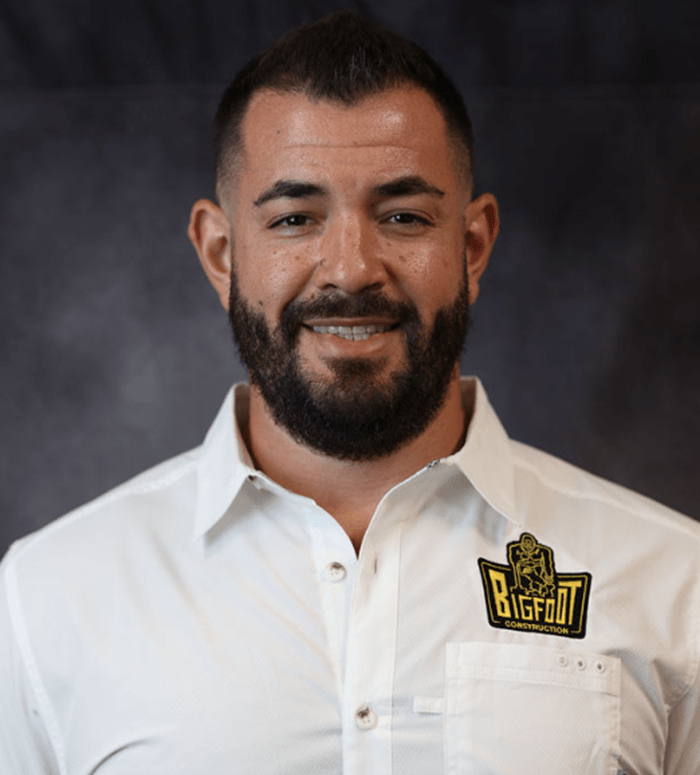
Written by Darryl Henry Rosenbaum, Founder of Bigfoot Windows & Roofing.
Darryl Henry Rosenbaum, doing business as Bigfoot Windows and Roofing, holds four active Florida licenses recognized by the Florida Department of Business and Professional Regulation (DBPR): Certified General Contractor (CGC1531370), Certified Residential Contractor (CRC1331693), Certified Roofing Contractor (CCC1333168), and Certified Specialty Contractor with a Glass & Glazing Specialty (SCC131153098).
Who We’re Not the Right Fit For
- Homeowners who need a roof done this week. If a permit, inspection, and code-compliant installation realistically take 3–8 weeks, we will not promise otherwise. If timeline is the only factor and you are willing to skip the permit, we are not the right contractor for you — and that shortcut will create problems at your next insurance renewal or home sale.
- Projects where the lowest bid wins, period. We install NOA-compliant materials with required inspections. Contractors who omit the inspection chain or use non-NOA products can price under us. We cannot and will not match those bids.
- Homeowners outside Miami-Dade, Broward, and Palm Beach. We operate within South Florida. We do not travel to Central or North Florida jobs and cannot serve those markets well.
- Commercial or multi-family projects over a certain scale. Our focus is residential and smaller multi-family. Large commercial roofing projects belong with contractors structured for that volume.
Frequently Asked Questions
Why does a roof replacement take so long in Florida?
Florida — especially Miami-Dade and Broward — requires a permit for every roof replacement, plus multiple mandatory inspections at different stages of the job. Materials must hold a Miami-Dade NOA or a Florida Product Approval that covers HVHZ use. Add permit processing time, inspector availability, and South Florida’s summer rainy season, and 3–8 weeks from contract to final inspection is normal. It is not your contractor being slow — it is a heavily regulated process designed to keep roofs on homes during hurricanes.
How long does a roof replacement take in Miami specifically?
In Miami-Dade County, most residential roof replacements run 3–8 weeks from signed contract to certificate of completion. The permit alone can take 5–15 business days to issue, and the multi-stage inspection process adds additional calendar time. The physical installation itself — tear-off through final material — is usually 2–6 days depending on roof size and material type. Hidden decking rot or structural findings can extend the job by an additional week or more.
What inspections does a Florida roof replacement require?
In the HVHZ, a typical residential roof replacement requires at least two inspections: a dry-in inspection (after underlayment is applied, before final material) and a final inspection (all work complete). Tile and metal roofs often require a third in-progress inspection to verify fastening patterns and clip systems. Each inspection must be scheduled with the county building department, which typically has 3–5 business day availability windows.
Can a roof replacement legally be done in one day in Florida?
The physical tear-off and re-roof of a small home can sometimes be completed in one or two days on-site. But the overall project cannot legally be completed in one day because a permit must be issued before work begins and inspections must occur at defined stages. A contractor who installs a roof without a permit or skips inspections is violating Florida Building Code — and the homeowner assumes the legal and financial risk, not the contractor.
What is the Florida roofing permit process?
The contractor submits a permit application to the local building department that includes the contractor’s license number, product NOA numbers, and sometimes engineer-stamped drawings. Miami-Dade and Broward review applications for HVHZ compliance before issuing. Once the permit is issued, work can begin. Inspections are scheduled through the county at defined stages. After all inspections pass, the building department issues a certificate of completion, which closes the permit.
What unexpected things can delay a South Florida roof replacement?
The most common mid-project delays are: (1) hidden decking rot requiring replacement and re-inspection; (2) hurricane strap deficiencies discovered at tear-off that require structural correction; (3) inspector availability pushing inspection dates out by several days; (4) afternoon rain shutdowns during the June–September rainy season; and (5) permit processing backlogs at the county building department, especially after a named storm event when applications surge.
Does financing affect how quickly a roof replacement can start?
If you are using PACE financing, the application and approval process typically adds a few business days before the project can be fully funded and scheduled. One important note: roofing and window PACE applications must be submitted separately — combining them on one application is a processing error that delays both projects. If you qualify for the My Safe Florida Home grant (up to $10,000), apply early, as grant processing timelines are independent of your contractor’s schedule.
Sources
- Florida Building Code, 8th Edition — High-Velocity Hurricane Zone provisions (Miami-Dade County Building Department)
- Miami-Dade County Product Control Division — Notice of Acceptance (NOA) requirements for roofing products
- Florida Department of Business and Professional Regulation (DBPR) — Contractor licensing verification
- My Safe Florida Home Program — Grant eligibility and application (Florida Division of Emergency Management)
Ready for an honest roof replacement timeline?
We will walk through every phase — permit, inspection stages, and material lead times — before you sign anything.
Or call us directly: 786-886-2088