Updated July 2026
Key Takeaways
- A passed inspection verifies code compliance at a point in time — not long-term performance under storm loading.
- Miami-Dade NOA approval certifies a product was tested to HVHZ standards — it does not certify your specific installation.
- Weak anchoring, missing fasteners, improper sealant, and wrong product series can all pass a visual inspection yet fail under hurricane pressure.
- The assembly — window, anchor, buck, and surrounding structure — must all meet specification, not just the window unit itself.
- Asking your contractor for the NOA number and the as-built fastener schedule before the inspector arrives is a legitimate, practical step.
The Real Problem
Why Homeowners Confuse Inspection Approval With Hurricane Protection
The assumption is understandable — and potentially costly.
After months of permitting delays, dust, and disruption, a homeowner sees the inspector sign off and exhales. Done. Protected. That relief is reasonable. But it rests on a gap between what an inspection actually checks and what a hurricane actually does to a window.
A building inspector’s job is to verify that the installation meets the Florida Building Code at the time of the visit. That means confirming the right product was used, that the permit matches the work, and that visible fastening patterns look consistent with the approved drawings. What an inspection cannot do — structurally or practically — is load-test every anchor point, verify the depth of every fastener, or confirm that the sealant fully cured before the inspector arrived.
None of that is a criticism of inspectors. It is simply what a code-compliance visit is designed to do versus what it is not designed to do. Understanding that distinction is the first step toward real confidence in your windows.
South Florida Context
HVHZ, Miami-Dade NOA, and Why the Stakes Are Higher Here
Miami-Dade and Broward sit inside the High-Velocity Hurricane Zone. The rules are stricter — but stricter rules still require correct installation to deliver protection.
The High-Velocity Hurricane Zone (HVHZ) encompasses Miami-Dade and Broward counties. Products installed in the HVHZ must carry a Miami-Dade Notice of Acceptance (NOA) — or a Florida Product Approval that has been tested to equivalent standards. An NOA is issued by Miami-Dade’s Building Code Compliance Office after independent laboratory testing of a specific product configuration.
Here is what an NOA covers: the window unit itself (frame, glazing, hardware) tested under defined pressure loads in a laboratory setting. Here is what an NOA does not cover: your specific home, your specific opening, your specific rough buck, or your specific installer’s fastener pattern on a Tuesday afternoon.
The NOA is a product certification. Installation quality is a separate variable — and it is the one that most often determines whether a window holds or fails when a storm makes landfall near your neighborhood.
What the Inspection Covers
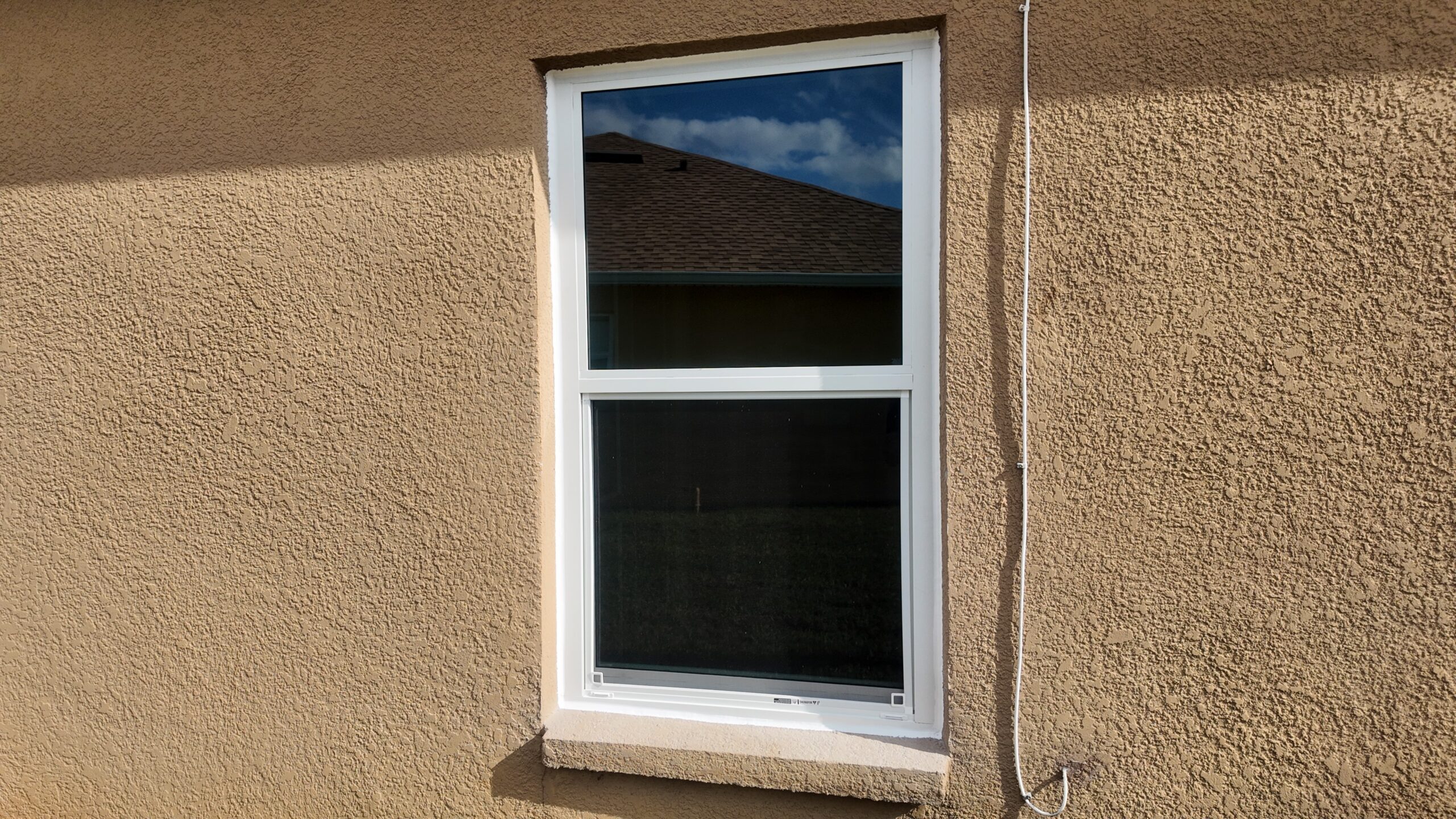
What a Window Permit Inspection Actually Checks
Knowing the checklist helps you ask the right follow-up questions.
A typical impact window rough and final inspection in Miami-Dade or Broward will verify some or all of the following:
| Inspection Item | What It Confirms | What It Cannot Confirm |
|---|---|---|
| Product label / NOA number | The window unit is an approved product for this jurisdiction | That the correct series or pressure rating was chosen for this opening size and floor level |
| Fastener pattern (visual) | Screws are present and roughly spaced per drawings | Fastener depth, torque, embedment into structural substrate |
| Rough buck / opening condition | Buck appears present and framing looks consistent with drawings | Buck material quality, moisture damage, or whether it is anchored to structure vs. floating |
| Sealant / flashing | Sealant is applied | Whether sealant is the correct type, fully cured, or continuous without voids |
| Permit match | The installed product matches the permitted product | Whether field changes from the original scope were properly re-permitted |
Notice the pattern: inspections confirm visible, checkable facts. They are not destructive tests. An inspector cannot pull a screw to measure its bite depth or cut open a frame to check the substrate. That is normal — it is how all code enforcement works. But it means the quality burden falls on the installer, not the inspection process.
This is why product series selection matters as much as product approval. For example, the Mr. Glass Series 350 is a residential builder-grade unit — it is never appropriate for condos, high-rise buildings, or commercial applications, even if it carries a Florida Product Approval. Using the correct series for the correct application is an installer judgment call that happens before the inspector ever arrives.
Inspection vs. Performance
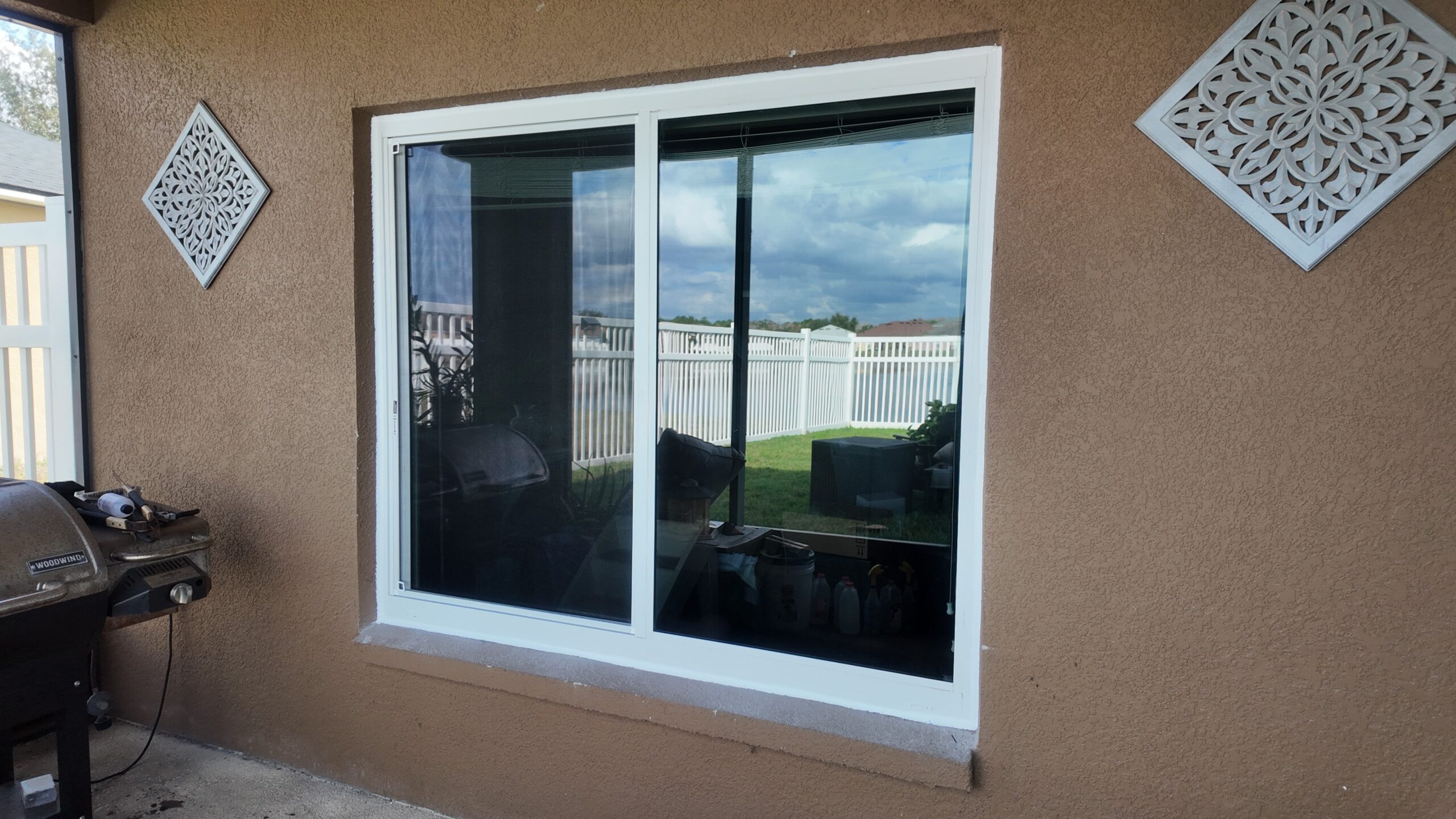
Passed Inspection vs. Actually Hurricane-Ready: Side by Side
| Factor | Passed Inspection | Truly Hurricane-Ready |
|---|---|---|
| Product is code-approved | ✓ Required | ✓ Required — plus right series for opening |
| NOA / Florida Product Approval | ✓ Label present | ✓ Correct pressure rating for floor and exposure |
| Fasteners | Visual count and spacing | Correct fastener, correct embedment, correct torque into structural substrate |
| Rough buck | Appears present | Structurally anchored, correct material, no decay |
| Sealant | Applied | Correct type, continuous, fully cured |
| Frame material | Not evaluated | Aluminum recommended for Florida HVHZ heat, UV, salt air, and hurricane loading |
| Glass thickness | Not evaluated at inspection | 7/16″ or 9/16″ for high-rise or heavy-duty exposure; 5/16″ is builder grade |
Aluminum frames are the preferred choice for South Florida impact windows — based on long-standing industry practice in HVHZ applications, they have a demonstrated track record in HVHZ heat, humidity, UV exposure, and hurricane-force wind loading compared to alternative frame materials. When energy efficiency is a priority, thermally broken aluminum frames provide that benefit without sacrificing the structural durability aluminum offers in this climate.
When comparing impact window options for South Florida homes, the frame material and glass thickness choices happen during product selection — not during inspection. By the time the inspector arrives, those decisions are already locked in.
Why It Matters Who Installs
Licensed Contractor, Not a Lead Aggregator
The inspection confirms code compliance. The installer determines performance.
“An inspection is a checkpoint, not a guarantee. The quality of what happens before the inspector walks in is everything.”
President, Bigfoot Windows & Roofing
Product Guidance
Choosing the Right Window for Real Hurricane Performance
Product approval and product selection are two different things.
Every impact window Bigfoot installs carries Florida Product Approval. For HVHZ applications in Miami-Dade and Broward, we use products with Miami-Dade NOA where applicable. But approval is the starting point — selecting the right product configuration for your specific opening, floor level, and exposure category is where protection is actually built.
On the glass side: 5/16-inch glass is builder grade. For most residential replacement projects in South Florida, 7/16-inch is the standard mid-range choice. For high-rise, coastal, or heavy-duty exposure, 9/16-inch glass provides the most robust protection. The frame depth does not change when you upgrade glass thickness — a common misconception that leads some homeowners to avoid the upgrade unnecessarily.
For Low-E glass, SB 70 is our primary recommendation for heat blocking in South Florida’s climate — it provides among the strongest solar heat rejection options available for South Florida residential applications, per manufacturer published data sheets. Climate Guard 6227 carries equivalent solar performance specifications per manufacturer published data sheets and is available as a complimentary upgrade for whole-house replacement projects.
For coastal properties within two miles of water, the 2605 finish on aluminum frames is required per manufacturer warranty terms to maintain the 10-year product warranty. The 2604 wood grain finish loses that warranty in coastal salt-air environments — an important detail that visual inspection will never catch after installation.
Learn more about impact door options for South Florida homes and how door and window selection work together for whole-opening hurricane protection.
What a Proper Install Looks Like
The Steps That Determine Whether Your Windows Actually Hold
Quality is built in before the inspector ever arrives.
- Pre-installation assessment: Evaluate each opening for rough buck condition, substrate material, and structural backing. Rotted wood or an unsecured buck means the window has nothing solid to anchor into — regardless of what NOA it carries.
- Product matching: Confirm the correct product series, pressure rating, and glass thickness for each opening’s size and exposure category. A window that is approved for a 48-inch opening may not be the right specification for a 72-inch opening at the third floor.
- Fastener schedule: Follow the NOA-specified fastener type, diameter, spacing, and minimum embedment depth into structural substrate. The NOA fastener schedule is not a suggestion — it is the tested configuration. Deviation voids the tested performance.
- Sealant application: Use the correct sealant type and apply it continuously without voids. Sealant failure allows water intrusion at hurricane wind speeds, which leads to pressure differential buildup that can cause glass failure even in an otherwise properly installed unit.
- Permit and inspection: Pull the permit, schedule inspections per jurisdiction requirements, and maintain as-built documentation showing the fastener schedule used.
For projects that involve structural modifications around openings — widening a rough opening, addressing lintel or header issues, or coordinating hurricane strap reinforcement — the work requires a contractor authorized to handle structural scope. Bigfoot holds a Certified General Contractor license (CGC1531370), which means structural modifications around window openings, hurricane strap upgrades, and multi-trade coordination can be managed under one accountable scope rather than requiring a separate structural contractor. This matters most when an existing opening has conditions that a window-only installer would need to walk away from or work around.
If you are also evaluating your roof as part of a broader storm-hardening project, reviewing roofing options for South Florida homes alongside your window project can help you understand how both systems interact under hurricane loading.
Not sure whether your current impact windows are truly installed to spec — or considering a new installation?
Or request a free estimate online — no pressure, no obligation.
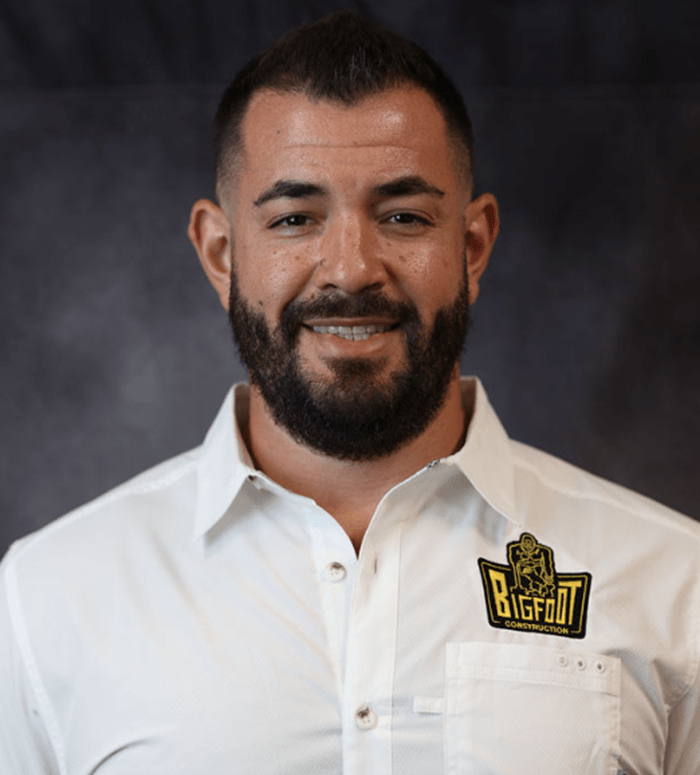
Written by Darryl Henry Rosenbaum, Founder of Bigfoot Windows & Roofing.
Darryl Henry Rosenbaum, doing business as Bigfoot Windows and Roofing, holds four active Florida licenses recognized by the Florida Department of Business and Professional Regulation (DBPR): Certified General Contractor (CGC1531370), Certified Residential Contractor (CRC1331693), Certified Roofing Contractor (CCC1333168), and Certified Specialty Contractor with a Glass & Glazing Specialty (SCC131153098).
Who We’re Not the Right Fit For
- Budget-first buyers seeking the lowest possible bid: If the primary decision factor is price and only price, we are likely not your best match. We do not cut fastener counts or substitute product series to hit a number.
- Homeowners who want permits pulled later or skipped: Every Bigfoot window installation is fully permitted. If you are hoping to avoid the permit process to save time or money, we are not the right contractor for that approach.
- Projects requiring brands we do not carry: We do not install PGT or Marvin windows. If you have a strong preference for those specific brands, a contractor who carries them will serve you better.
- Commercial high-rise projects requiring only Series 350: The Mr. Glass Series 350 is residential only. We will not specify it for a condo or high-rise application regardless of the pressure to do so.
- Landlords or investors seeking the fastest possible turnaround with no documentation: We maintain as-built records and fastener schedules. If that level of documentation does not fit your project model, another installer may be a better fit.
Frequently Asked Questions
Does passing inspection mean my windows are hurricane-proof?
No. Passing a building inspection confirms that the installation met Florida Building Code requirements at the time of the visit. It does not certify that every fastener is embedded to the correct depth, that the sealant is continuous and cured, or that the product series chosen is appropriate for your specific opening and exposure. Inspection is a compliance checkpoint — hurricane performance depends on the full quality of the installation.
What does a Miami-Dade NOA actually certify?
A Miami-Dade Notice of Acceptance (NOA) certifies that a specific product configuration was independently tested to HVHZ performance standards in a laboratory setting. It certifies the product unit — not your home’s specific installation. Your installer is responsible for following the NOA’s fastener schedule, substrate requirements, and sealant specifications exactly. Deviating from those requirements voids the tested performance, even if the product itself carries a valid NOA.
Can an approved impact window still fail in a hurricane?
Yes. Product approval tests the window under laboratory conditions with correct installation.