
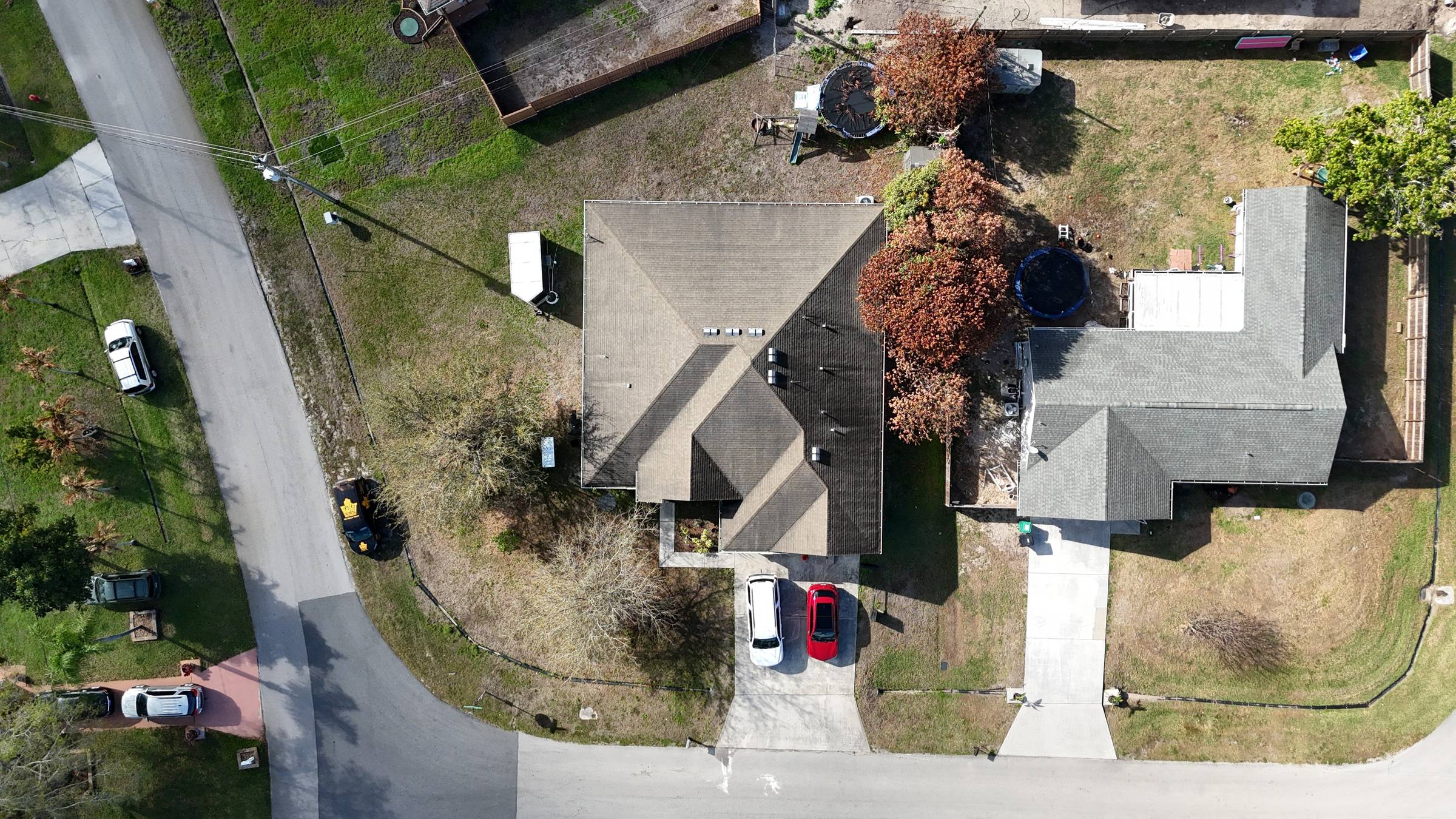
A Notice to Owner (NTO) is a formal legal document sent by a subcontractor, supplier, or laborer on a Florida construction project — including roof replacements — to preserve their right to file a lien on your property if the general contractor fails to pay them. You can receive an NTO even if you have already paid your roofer in full.
Updated September 2026
Key Takeaways
- An NTO is not a lien — it is a legal warning that a lien could come if payment disputes arise.
- Under Florida lien law, subcontractors and suppliers generally have a limited window from first delivering labor or materials to serve an NTO — missing that deadline typically extinguishes their lien rights.
- Paying your roofer does not automatically protect you — an unpaid sub can still lien your home.
- A properly recorded Notice of Commencement (NOC) is your first line of defense against unexpected liens.
- In Miami-Dade and Broward HVHZ projects, faster permit inspection sequencing means payment disputes surface sooner — act quickly when you receive an NTO.
The Problem
Why Florida Homeowners Get Blindsided by Liens After Paying Their Contractor
You wrote the check. The roof is done. Now a stranger is threatening to lien your home.
This scenario plays out across South Florida every year. A homeowner hires a roofing contractor, pays on time, and considers the job closed. Weeks later, a formal legal notice arrives from a company they have never heard of — a roofing materials supplier or a licensed crew the roofer subcontracted for the tear-off. The notice says they were never paid.
Florida construction lien law gives certain parties — subcontractors, sub-subcontractors, materialmen, and laborers — the right to place a lien directly on your property even though they have no direct contract with you. The Notice to Owner is the required first step in that process. Ignoring it can put your title at risk, complicate a mortgage payoff, and in worst cases lead to a forced lien on your home.
Local Context
Miami-Dade and Broward: Why HVHZ Roofing Projects Carry Extra Lien Risk
In Miami-Dade and Broward counties — both governed by the High-Velocity Hurricane Zone (HVHZ) provisions of the Florida Building Code — roofing replacements require more inspection touchpoints than in most other Florida jurisdictions. That stricter sequencing means material deliveries and subcontractor crews are logged earlier and more formally, which actually accelerates the timeline in which an NTO can be served.
Miami-Dade Building Department permit reviews for standard residential roofing projects typically take two to six weeks. During that window, suppliers and subs are already delivering materials and performing work — the NTO clock starts from the first day they provide labor or materials, not from permit issuance. By the time your roof passes final inspection, an unpaid party may already be well into their NTO filing window.
For homeowners in HOA-governed communities in Broward County or Miami-Dade — where roofing replacements must also clear architectural review — the timeline complexity increases further. An HOA approval delay does not pause the NTO clock for subcontractors.
Additionally, because the Notice of Commencement threshold in Florida is $2,500 for residential alterations (per Florida Statute 713.135, as confirmed by Bigfoot Windows & Roofing service documentation, 2026), virtually every roof replacement triggers the NOC requirement — making it a critical first step for South Florida homeowners.
Education
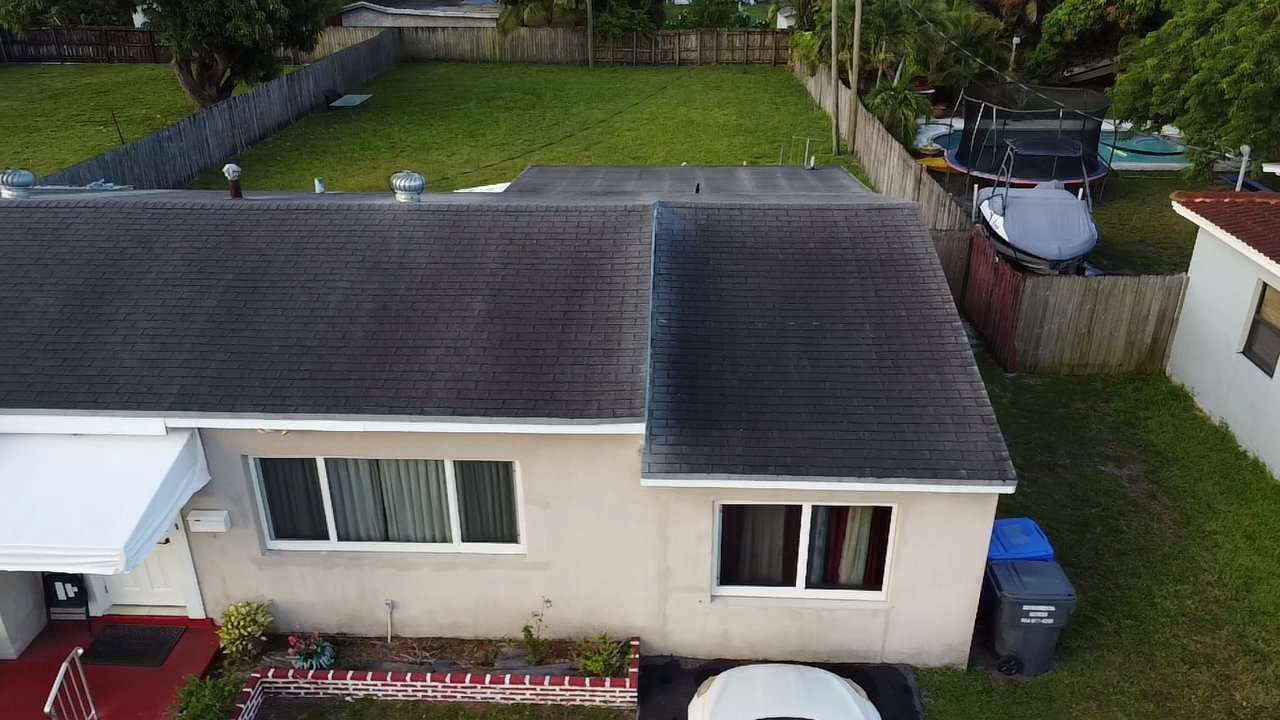
Three Documents Every Florida Homeowner Should Understand Before Roofing Starts
Florida construction lien law involves three distinct documents that homeowners routinely confuse. Here is what each one does and how they interact on a roofing project.
| Document | Who Files It | When It Is Filed | What It Does |
|---|---|---|---|
| Notice of Commencement (NOC) | Homeowner or contractor on homeowner’s behalf | Before work begins; required for jobs over $2,500 | Opens the public record; establishes the project timeline; required for permit issuance |
| Notice to Owner (NTO) | Subcontractor, supplier, or laborer (NOT your direct contractor) | Generally within a short window of first furnishing labor or materials (see Florida Statute 713.06 for current deadlines) | Preserves their lien rights; puts you on notice that they are owed money by your contractor |
| Claim of Lien | Anyone who served a valid NTO (or your direct contractor, who does not need one) | Generally within a defined period after last furnishing labor or materials (see Florida Statute 713.06 for current deadlines) | Attaches to your property title; can block a sale or refinance until resolved |
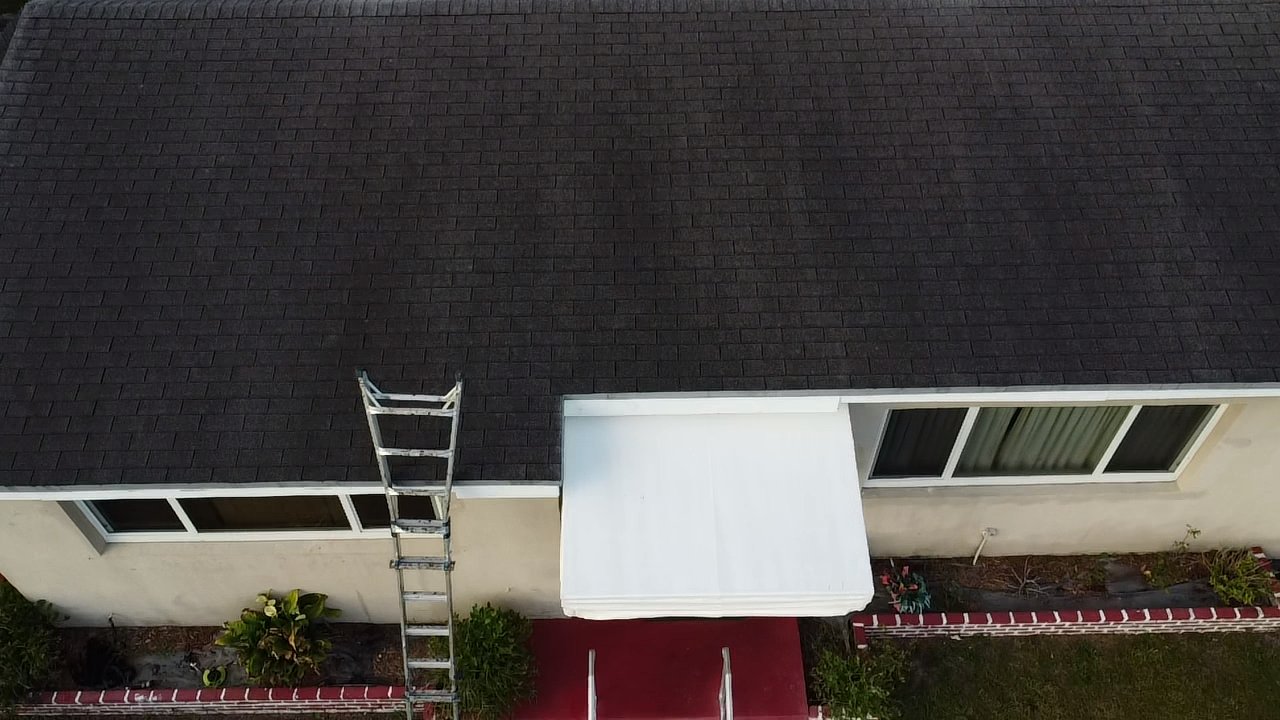
The NTO Filing Window: Florida Statute 713.06 and Why It Matters for Roofing
Florida construction lien law (see Florida Statute 713 — verify current version) requires any party without a direct contract with the homeowner to serve a Notice to Owner within a specific window after first furnishing labor, services, or materials — typically referenced in practice as roughly 45 days, though you should consult the current statute text or a Florida construction attorney for the exact requirement applicable to your project. Miss this window and they lose their lien rights entirely. Meet it, and they have preserved the ability to lien your home for a further defined period after their last day on the job.
For a typical South Florida roof replacement, here is a realistic illustration of how this plays out:
| Stage | Event | NTO Clock Status |
|---|---|---|
| Early delivery | Roofing supplier delivers underlayment and shingles to job site | NTO clock starts for supplier from first delivery date |
| Crew mobilization | Tear-off subcontractor begins work | Separate NTO clock starts for sub from first day on site |
| Mid-project | Miami-Dade mid-inspection; sheathing and nail pattern approved | Both clocks running; parties approaching their NTO deadline |
| Deadline window | Supplier and sub must serve NTO by their respective statutory deadlines or lose lien rights | Act immediately if you receive one during this period |
| Final stage | Final inspection; homeowner pays contractor balance | If contractor has not paid sub or supplier, a Claim of Lien may follow within the statutory period after their last furnish date — consult Florida construction lien law (see Florida Statute 713 — verify current version) for current timeframes |
Comparison
NTO vs. Claim of Lien: What Is the Actual Difference?
Receiving an NTO is not the same as having a lien — but it is a serious warning that one is possible.
| Factor | Notice to Owner (NTO) | Claim of Lien |
|---|---|---|
| Recorded in public record? | No — delivered directly to homeowner | Yes — filed with county recorder, attaches to title |
| Immediate threat to your title? | No — it is a warning | Yes — can block sale, refinance, or mortgage payoff |
| Required before lien? | Yes — for subs and suppliers | N/A — this IS the lien |
| What you should do | Contact your contractor immediately; verify payment status; consult a construction attorney if unresolved | Contact a Florida construction lien attorney immediately |
| Deadline to respond | No statutory deadline for homeowner response, but act within days | Lien is enforceable for a defined period; foreclosure action can follow — consult an attorney |
The practical takeaway: an NTO is a fire alarm, not the fire. A Claim of Lien is the fire. Take the alarm seriously.
Why It Matters Who You Hire
A Licensed Contractor With General Contractor Scope Means Fewer Surprise NTOs
Not a lead aggregator. Not a one-trade crew. A licensed contractor with full scope accountability.
One structural reason homeowners receive unexpected NTOs is that their roofing contractor subcontracts significant scope — tear-off, framing, sheathing, or structural repairs — without transparent payment practices. When those subs and suppliers go unpaid, the NTO lands in your mailbox.
Bigfoot Windows & Roofing holds a Certified General Contractor license (CGC1531370) in addition to a Certified Roofing Contractor license (CCC1333168). Under the CGC license, structural scope such as hurricane strap upgrades, sheathing replacement, and header work can be handled in-house under the same permit set — reducing the number of subcontractors who enter the payment chain and, by extension, reducing the pool of parties who could serve an NTO on your project. This is a structural characteristic of how we are licensed, not a guarantee of outcome.
“When we pull a roofing permit in Miami-Dade, we document every subcontractor and supplier on the job from day one. Homeowners deserve to know exactly who is on their property and who is in the payment chain.”
President, Bigfoot Windows & Roofing
Roofing Systems & Documentation
What a Properly Documented Roofing Project Looks Like in South Florida
Understanding the NTO process starts before work begins. Here is what a well-documented South Florida roofing project should include from the start:
- Notice of Commencement recorded before work starts. The NOC must be filed with the county recorder and posted at the job site. In Miami-Dade, this is required before the permit can be activated.
- Permit pulled in the contractor’s name. The Certified Roofing Contractor (CRC1331693) or Certified General Contractor (CGC1531370) must be named on the permit — not an unlicensed sub or a separate entity.
- Contractor’s Payment Affidavit at final payment. Before your final check, Florida law allows you to request a Contractor’s Payment Affidavit stating all subs and suppliers have been paid. This does not fully extinguish lien rights, but it creates a record and exposes a contractor making false statements to criminal liability.
- Lien waivers from subs and suppliers. For larger projects, request conditional lien waivers from known subcontractors as each draw is paid. An attorney can draft a simple template.
For homeowners in Miami-Dade pursuing roofing replacement in Miami-Dade County, the permitting sequence under HVHZ rules means more inspection stops — which is actually an advantage for documentation because each milestone is formally logged.
Bigfoot’s roofing systems — including GAF architectural shingles with the Wind Proven warranty, Englert standing-seam metal, and Westlake concrete tile — are installed under permit with full HVHZ compliance. Warranty coverage options are available on qualifying projects — ask your project manager for current warranty details.
What To Do
I Just Received a Notice to Owner — What Are My Next Steps?
- Do not ignore it. An NTO is a legal document. Set it aside with all other project paperwork and treat it as time-sensitive.
- Contact your roofing contractor immediately. Ask whether the party who sent the NTO has been paid or is scheduled for payment. Get the answer in writing — email or text is fine.
- Verify the project’s Notice of Commencement. Confirm it was recorded before work started. In Miami-Dade, you can check the Miami-Dade County Recorder’s website. A missing or untimely NOC can affect your legal protections under Florida Statute 713.
- Request a Contractor’s Payment Affidavit if you are approaching final payment. Florida law provides homeowners with the right to request this document — consult Florida Statute 713 or a construction attorney for the applicable provision and process.
- Consult a Florida construction lien attorney if the contractor cannot confirm payment or if a Claim of Lien is filed. Attorney fees in lien disputes are often recoverable by the prevailing party in Florida.
- Do not make final payment until you have confirmation — in writing — that the NTO-serving party has been paid or has executed a lien waiver.
If you are considering a roofing project and want clarity on how permits, subcontractor scope, and payment documentation work before work begins, you can request a free estimate from Bigfoot or call us at 786-886-2088.
Questions about your roofing project and lien protection?
We pull permits, document every subcontractor, and walk you through the process before work begins.
Related Reading
More Roofing Guides for South Florida Homeowners
Who We’re Not the Right Fit For
- Homeowners who want to skip the permit. Every Bigfoot roofing project in Miami-Dade and Broward is permitted. If you are looking for a contractor who will work without a permit to avoid fees or HOA scrutiny, we are not that contractor.
- Buyers seeking the lowest possible bid. Roofing cost in South Florida runs roughly $750–$850 per square for architectural shingles and $1,050–$1,300 per square for standing-seam metal installed (per Bigfoot Windows & Roofing 2026 pricing). Contractors who bid well below these ranges typically cut corners on subcontractor payment — which is exactly where NTO and lien exposure begins.
- Projects outside South Florida. We operate in Miami-Dade, Broward, and Palm Beach. We do not travel statewide.
- Homeowners who need a two-week turnaround. Miami-Dade Building Department permit review alone typically takes two to six weeks for standard residential roofing (per Bigfoot Windows & Roofing, 2026). We cannot guarantee installation within that window due to county permitting, material delivery, and inspection scheduling.
FAQ
Frequently Asked Questions
What is a Notice to Owner in Florida and when must it be sent on a roofing project?
A Notice to Owner is a legal document that subcontractors, suppliers, and laborers must send to preserve their right to file a construction lien under Florida lien law. Florida construction lien law (see Florida Statute 713 — verify current version) establishes this requirement. In practice, the NTO must generally be served within a relatively short window of the party’s first day furnishing labor or materials — consult the current statute or a Florida construction attorney for the exact deadline. For roofing projects, this clock typically starts when materials are delivered or the tear-off crew arrives, before final inspection.
Can a roofing subcontractor or supplier put a lien on my home even though I paid my contractor?
Yes. Under Florida construction lien law, a subcontractor or supplier who served a valid Notice to Owner can file a Claim of Lien against your property even if you paid your direct contractor in full. Your payment to the contractor does not automatically discharge their obligation to pay subs and suppliers. This is one of the most common and costly surprises for Florida homeowners after a roof replacement.
How does a Notice to Owner differ from a Notice of Commencement in Florida?
They serve opposite functions. The Notice of Commencement is filed by the homeowner (or contractor on their behalf) before work begins and opens the public project record. The Notice to Owner is filed by a subcontractor or supplier to preserve their lien rights. The NOC establishes the project timeline; the NTO is a warning that someone in the payment chain may not have been paid. Both documents operate under Florida Statute 713.
What should I do immediately if I receive a Notice to Owner for roof work?
Do not ignore it. Contact your roofing contractor the same day and ask whether the party who sent it has been paid. Get the answer in writing. Request a Contractor’s Payment Affidavit if you are near final payment. If your contractor cannot confirm payment within a few days, withhold the final draw and consult a Florida construction lien attorney before releasing funds. Acting quickly protects your title.
Does Florida law require a Notice to Owner before a supplier can file a lien on my home?
Yes — for parties who do not have a direct contract with the homeowner. Florida construction lien law (see Florida Statute 713 — verify current version) requires subcontractors, sub-subcontractors, laborers, and materialmen to serve a Notice to Owner within the statutory filing window to preserve their lien rights. Your direct contractor (the one you signed a contract with) does not need to serve an NTO — they can file a lien directly without this preliminary step. Consult the current statute text for exact deadlines.
Does recording a Notice of Commencement protect me from liens on my roofing project?
A properly recorded NOC does not prevent liens, but it establishes the legal framework that governs them. It sets the project start date, which determines NTO and lien filing deadlines, and it identifies who the owner is for notice purposes. An improper, missing, or untimely NOC can actually complicate your legal position. In Miami-Dade, the NOC must be recorded and posted at the job site before the building permit is activated.
How does roofing financing interact with NTO and lien risk?
If you use PACE financing for your roof, the financing is tied to your property tax bill — meaning any lien activity affects the same asset. Keeping your payment draws tied to verified project milestones and lien waivers reduces exposure. Explore roofing financing options that include documented draw schedules so payment always follows confirmed progress, not just verbal updates from your contractor.
Schedule Your Free Estimate
Ready to get started? Request a free estimate — no phone call required.
Sources
- Florida Statute 713 — Construction Liens; persons entitled to lien; Notice to Owner requirements. Florida Legislature. flsenate.gov (verify current version for applicable deadlines).
- Florida Statute 713.135 — Notice of Commencement; $2,500 residential alteration threshold. Florida Legislature. flsenate.gov
- Miami-Dade Building Department — permit review timelines for residential roofing projects. Bigfoot Windows & Roofing, 2026. bigfootwindowsandroofing.com
- Notice of Commencement threshold: $2,500 for residential alterations. Bigfoot Windows & Roofing, 2026. bigfootwindowsandroofing.com
Ready to start your South Florida roofing project the right way?
Permitted. Documented. Transparent about subcontractor scope from day one.