
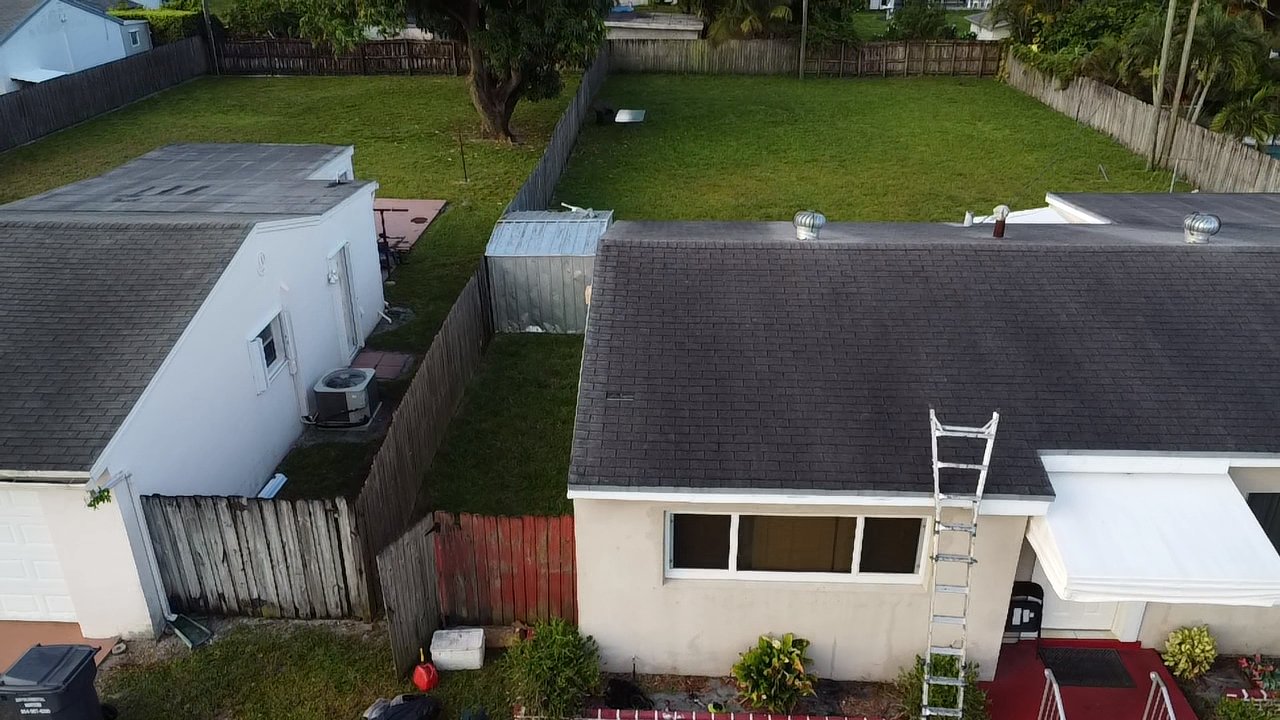
When a roofing contractor in Miami-Dade County performs unlicensed work, violates Florida Building Code installation standards, or causes damage through improper HVHZ-required practices, two separate enforcement systems can respond: Miami-Dade County’s own Construction Trades Qualifying Board (CTQB) and the Florida Department of Business and Professional Regulation (DBPR). Understanding which body handles which complaint, and how hearings actually work, is the practical knowledge most homeowners never get.
Updated September 2026
Key Takeaways
- Miami-Dade and DBPR are separate enforcement systems — filing with one does not automatically notify the other.
- The Miami-Dade CTQB handles locally-licensed contractors; DBPR handles state-certified contractors (CCC, CGC, CRC licenses).
- Homeowners can attend hearings, submit evidence, and give testimony — they are not limited to filing the initial complaint.
- HVHZ violations (improper impact window or roofing installation) carry elevated scrutiny under Florida Building Code Chapter 44.
- Post-hearing penalties range from civil fines to license suspension or revocation depending on violation severity.
- Timelines vary: a CTQB hearing can occur within roughly 60–120 days of a complete complaint; DBPR proceedings typically take longer.
The Real Problem
Why Homeowners Get Confused — and Left Unprotected
Two separate enforcement tracks, one complaint — and most homeowners don’t know the difference.
If a roofer installed your new roof without pulling a permit, skipped the required secondary water barrier, or used fastening patterns that don’t meet Miami-Dade’s High Velocity Hurricane Zone (HVHZ) standards, you have been harmed by more than shoddy workmanship — you may be living under a roof that will fail in the next named storm. The challenge is knowing where to turn.
Most online guides either lump the Miami-Dade CTQB and the state DBPR into one vague “file a complaint” instruction, or they skip the hearing process entirely and jump straight to “sue your contractor.” Neither approach helps you understand what actually happens after you file — or what you are allowed to do once the hearing date is set.
South Florida Context
Miami-Dade, HVHZ, and Why the Stakes Are Higher Here
The strictest residential building code in the United States means violations carry real consequences.
Miami-Dade and Broward counties sit inside the High Velocity Hurricane Zone — the only U.S. jurisdiction where the Florida Building Code applies its most stringent residential construction standards under FBC Chapter 44. Every roofing system, every impact window installation, and every structural modification must meet HVHZ-specific requirements. Products must carry either a Miami-Dade Notice of Acceptance (NOA) or a current Florida Product Approval covering HVHZ use before they can be legally installed.
That regulatory context matters when a contractor cuts corners. A roofer who installs a system without the correct NOA, skips the required inspection steps, or uses clip hardware that does not meet the stamped specification is not just doing bad work — they are violating FBC Chapter 44 in a jurisdiction that inspects heavily and enforces aggressively. Miami-Dade Code Chapter 10 (Contractors) governs local enforcement, while Florida Statute 489 governs the state licensing layer.
Because so much is at stake — structurally and financially — understanding the enforcement process gives you real leverage.
How It Works
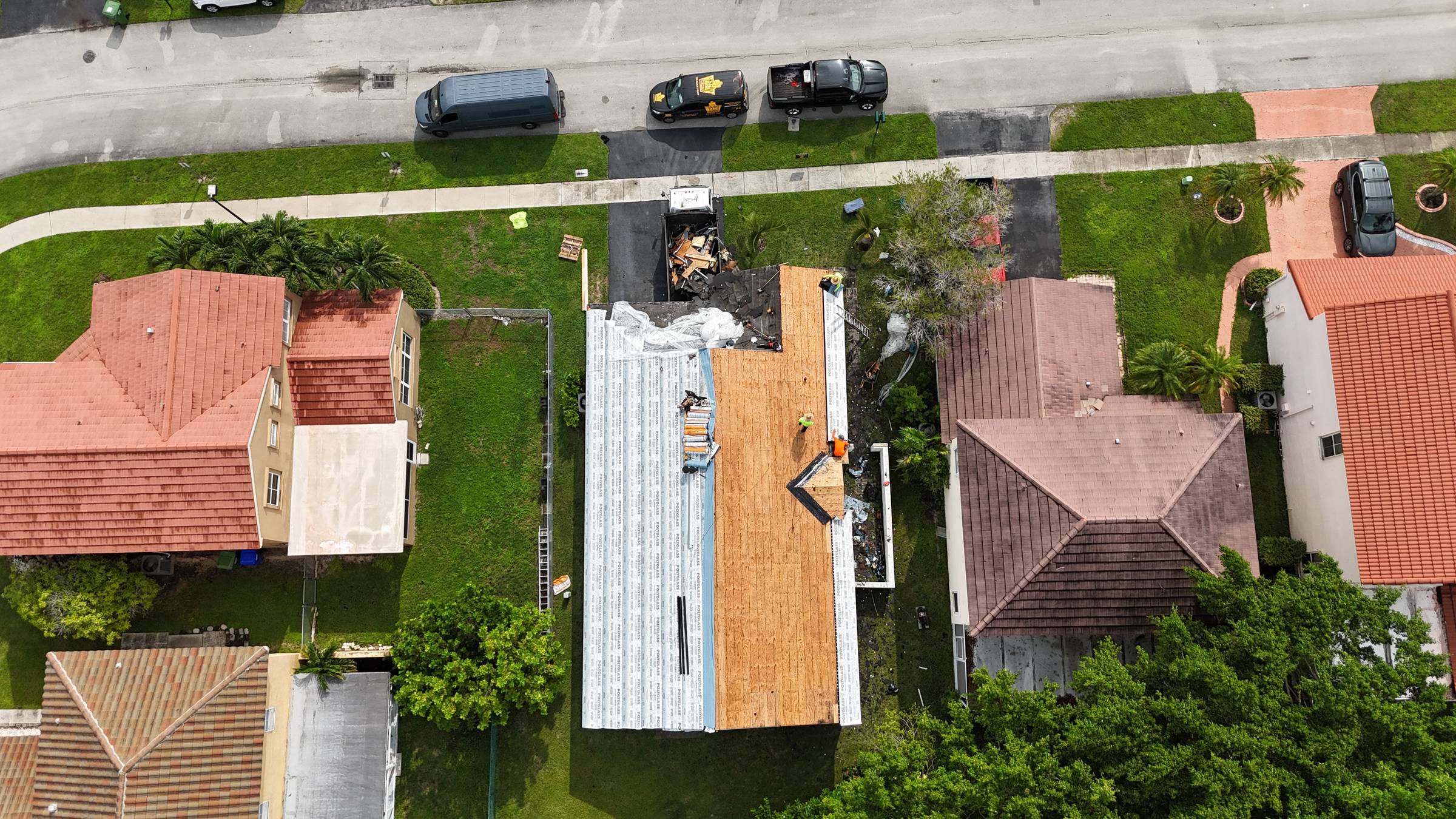
Two Tracks: Miami-Dade CTQB vs. Florida DBPR — Which One Handles Your Complaint?
The answer depends on how the contractor is licensed.
This is the most important distinction most guides skip:
| Factor | Miami-Dade CTQB | Florida DBPR |
|---|---|---|
| Who it covers | Locally licensed contractors (Miami-Dade Certificate of Competency holders) | State-certified contractors (CCC, CGC, CRC, SCC license holders) |
| Governing law | Miami-Dade Code Chapter 10 | Florida Statute 489 |
| Where to file | Miami-Dade Regulatory & Economic Resources (RER) — Contractor Licensing Section | DBPR online complaint portal (myfloridalicense.com) |
| Hearing body | Construction Trades Qualifying Board (CTQB) with appointed hearing officer | DBPR Administrative Law Judge or probable cause panel |
| Penalties available | License suspension or revocation, civil fine, restitution, or dismissal | Civil fine, suspension, revocation, probation, or a combination of these under Florida Statute 489 |
| Typical timeline | Roughly 60–120 days from complete complaint to hearing (estimate; actual scheduling varies) | Typically longer; complex cases may extend well beyond six months when a formal hearing is requested |
If the contractor holds a state-issued Certified Roofing Contractor (CCC) license, your complaint goes to DBPR. If they hold only a Miami-Dade Certificate of Competency — a locally issued credential — the CTQB is the correct venue. Many homeowners file with one and wonder why nothing happens, not realizing they filed with the wrong body. You can file with both simultaneously if you are unsure; the agencies coordinate when jurisdiction overlaps.
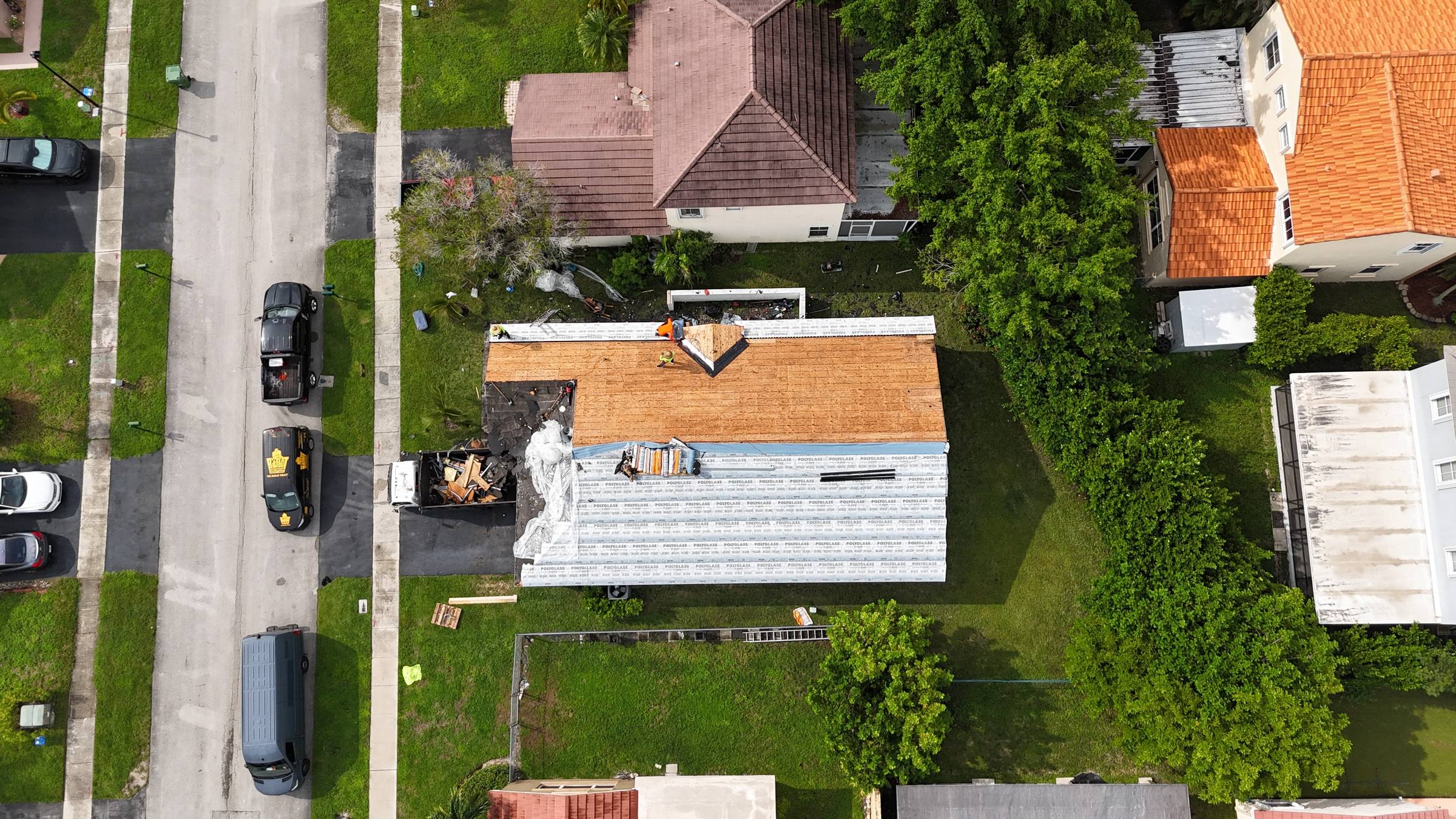
The Miami-Dade CTQB Hearing Officer: Role and Process
The Construction Trades Qualifying Board is a body appointed under Miami-Dade Code Chapter 10 to handle disciplinary matters involving locally licensed contractors. When a complaint is filed with the Miami-Dade Contractor Licensing Section, staff investigators conduct a preliminary review. If the complaint has merit and the contractor cannot resolve the matter informally, the case is referred to a hearing.
A hearing officer — typically an attorney or administrative officer appointed by the county — presides over the formal hearing. The hearing officer’s role is quasi-judicial: they facilitate the proceeding, rule on evidentiary matters, and issue a recommended order. That recommended order goes to the CTQB board for a final vote. The board requires a quorum of members to conduct business; decisions are by majority vote of those present.
Key procedural points homeowners often do not know:
- You have standing to appear. As the complaining party, a homeowner can attend the hearing, submit documentary evidence (photos, contracts, inspection records, paid invoices), and give sworn testimony.
- The burden is on the county to prove the violation by a preponderance of the evidence — but your evidence directly supports that burden.
- The contractor will also appear and has the right to counsel and to cross-examine witnesses, including you.
- This is not civil court. You are not suing for damages here. The hearing determines whether the contractor’s license should be disciplined. A separate civil claim in county or circuit court is the path for monetary recovery.
Step by Step
How to File a Complaint and What Happens Next
| Stage | Miami-Dade CTQB Path | DBPR Path |
|---|---|---|
| 1. File complaint | Submit written complaint + supporting docs to Miami-Dade RER Contractor Licensing Section | File online at myfloridalicense.com; attach contract, photos, permit records |
| 2. Intake review | Staff determines jurisdiction and assigns an investigator | DBPR opens a case number; investigator contacts contractor and homeowner |
| 3. Investigation | Inspector may visit the property; contractor given opportunity to respond | DBPR investigator reviews license status, permit history, site records |
| 4. Probable cause | If sufficient, referred to CTQB for hearing scheduling | Probable cause panel reviews; if found, formal administrative complaint issued |
| 5. Hearing | Hearing officer presides; board votes on recommended order | Administrative Law Judge issues recommended order; DBPR issues final order |
| 6. Penalty / remedy | Suspension, revocation, fine, restitution, or dismissal — per Miami-Dade Code Chapter 10 schedule | Civil fine, suspension, revocation, probation, or combination — per Florida Statute 489 penalty schedule |
| 7. Appeal | Contractor may appeal CTQB final order in circuit court | Contractor may appeal final order to district court of appeal |
One important note: filing a complaint does not pause the contractor’s license while the investigation is pending, unless the county or DBPR issues an emergency suspension based on imminent danger to public safety. Emergency suspension is reserved for serious, documented safety threats — not every bad installation qualifies.
Why This Matters to Us
A Licensed Contractor’s Perspective on the Enforcement System
Licensed contractors, not lead aggregators — four active Florida licenses held by one principal.
“Every permit we pull, every inspection we pass — that paper trail is exactly what protects a homeowner if anything is ever disputed. When a contractor skips the permit, they remove the only independent record that proves the work was done right.”
Founder & President, Bigfoot Windows & Roofing
Because Bigfoot holds a Certified General Contractor license (CGC1531370) in addition to our Certified Roofing Contractor license (CCC1333168), we handle structural scope — hurricane strap upgrades, header modifications, code-driven structural corrections — under one permit and one contractor of record. That single point of accountability matters: when there is only one licensed party responsible for the full scope, the complaint and enforcement process is cleaner for a homeowner if something ever does go wrong. Multiple subcontractors under a GC-less arrangement create jurisdictional confusion that benefits no one except a contractor trying to avoid accountability.
HVHZ-Specific Violations
How Improper Roofing Installation Triggers Elevated Scrutiny in the HVHZ
In Miami-Dade, roofing violations frequently involve one or more of the following:
- No NOA-compliant attachment system. Using clip hardware that does not match the NOA specification — or installing a standing-seam metal roof with nail-strip instead of clip-float attachment — is a direct FBC Chapter 44 violation. Inspectors in Miami-Dade look for stamped Englert-type clips at the correct spacing; unapproved substitutes fail inspection and expose the contractor to discipline.
- Missing secondary water barrier. The 2024 Florida Building Code permits direct-to-deck peel-and-stick underlayment. A contractor who installs 30-lb felt on a shingle roof in the HVHZ and omits the required secondary water barrier is in violation — and the homeowner loses a potential insurance discount.
- No permit pulled. Every residential roof replacement in Miami-Dade requires a permit. A contractor who collects payment and begins work without pulling a permit may be violating Miami-Dade Code Chapter 10 — and if they also lack a valid license, Florida Statute 489.127 addresses unlicensed contracting as a separate matter.
- Improper tile adhesive rating. Poly-set foam adhesive tile attachment is rated to 180 mph in South Florida conditions (per Bigfoot Windows & Roofing warranty documentation). A contractor who substitutes mechanical fasteners in a wind-uplift-sensitive application without the engineer-of-record sign-off may be out of specification for the NOA.
Each of these scenarios is documentable. Photos with timestamps, your permit search on the Miami-Dade permit portal, and the inspector’s field notes (public record) all become evidence at a CTQB or DBPR hearing. Gather them before filing — a well-documented complaint moves faster than a vague one.
If you are evaluating a new roofing project in South Florida and want to understand what proper HVHZ installation looks like, requesting a copy of the proposed NOA and the permit application before signing a contract is entirely reasonable.
Post-Hearing Outcomes
What Penalties Actually Look Like — and What They Mean Mid-Project
If the CTQB or DBPR finds a violation, the available remedies under Miami-Dade Code Chapter 10 and Florida Statute 489 include:
- Civil fine: DBPR may impose civil fines per count of violation under the penalty schedule established in Florida Statute 489 — consult the statute or a licensed attorney for current amounts. The CTQB has its own fine schedule under Miami-Dade Code Chapter 10.
- License suspension: A fixed period during which the contractor cannot pull permits or contract for new work. An ongoing project mid-suspension is a problem the contractor must resolve — typically by having a licensed contractor take over as contractor of record, or by completing permitted work already underway under the original permit.
- License revocation: The most serious outcome. The contractor loses their license and must reapply (often with additional requirements) to resume practice. Under Florida Statute 489, a revoked contractor is prohibited from acting as a qualifying agent for any company.
- Probation and restitution: A contractor may be placed on probation with conditions, and CTQB can order restitution to the homeowner as part of the disciplinary order.
- Dismissal: If evidence does not support the violation, the case is dismissed. This is why documentation quality matters.
What a disciplinary order does NOT do: it does not automatically repair your roof or return your money. For financial recovery, you need a separate civil action — small claims court, county court, or circuit court depending on damages — or a claim against the contractor’s surety bond. Florida Statute 489 requires licensed contractors to maintain a surety bond or equivalent; that bond is specifically designed to compensate homeowners for contractor failures.
Learn more about what Florida-licensed contractors are required to carry before work begins on your property.
Working with a properly licensed contractor from day one is the most effective way to avoid this entire process. Bigfoot Windows & Roofing pulls every permit, schedules every inspection, and maintains all four active Florida licenses — so there is a paper trail protecting you from start to finish.
Related Reading
More From Bigfoot Windows & Roofing
Who We’re Not the Right Fit For
- Homeowners wanting the fastest possible start date. Bigfoot pulls every permit and schedules every required inspection. If your priority is a contractor who starts tomorrow without pulling a permit, we are not that contractor — and that approach is exactly what this article describes as a violation.
- Projects requiring electrical, HVAC, or plumbing scope. Our four licenses cover general contracting, residential, roofing, and glass & glazing. We do not hold electrical, mechanical, or plumbing licenses and will refer those scopes to the appropriate licensed trade.
- Homeowners seeking the absolute lowest bid. Proper HVHZ-compliant installation — correct clip systems, NOA-matched products, permitted inspections — costs more than a cash-only, no-permit job. If the lowest number on the page is the only decision driver, we will likely not be the lowest quote.
- Commercial or high-rise buildings requiring specialized window glazing. Our Mr. Glass Series 350 windows are rated for residential use only. Commercial or high-rise glazing scope requires products and engineering outside our residential line.
Frequently Asked Questions
How do I file a complaint against an unlicensed roofer in Miami-Dade County?
Submit a written complaint with supporting documentation — contract, photos, permit search results — to the Miami-Dade Regulatory & Economic Resources (RER) Contractor Licensing Section. If the contractor holds a state license (CCC, CGC, or CRC), also file with the Florida DBPR at myfloridalicense.com. Filing with both agencies simultaneously when you are unsure of jurisdiction is permitted.
What happens at a Miami-Dade contractor license violation hearing?
A hearing officer appointed by the county presides over the proceeding. The county presents its evidence, the contractor responds and may have legal counsel, and the homeowner (as complaining party) may attend, submit documents, and give sworn testimony. The hearing officer issues a recommended order; the Construction Trades Qualifying Board (CTQB) votes on a final disciplinary decision.
Who is the hearing officer for Miami-Dade construction contractor complaints?
For CTQB matters, the hearing officer is appointed by Miami-Dade County — typically an attorney or administrative officer who manages quasi-judicial proceedings under Miami-Dade Code Chapter 10. For DBPR matters, complaints are assigned to an Administrative Law Judge through the Florida Division of Administrative Hearings (DOAH) when a formal hearing is requested.
Can a homeowner attend or speak at a contractor licensing board hearing in Miami-Dade?
Yes. As the complaining party, a homeowner has standing to attend the CTQB hearing, submit documentary evidence (photos, contracts, inspection records), and give sworn testimony. The hearing is not limited to the county investigator and contractor. You are not required to have an attorney, though one is allowed.
How long does a contractor license suspension process take in Florida after a violation is reported?
For Miami-Dade CTQB complaints, a hearing is typically scheduled within roughly 60–120 days of a complete complaint filing — actual scheduling varies. DBPR proceedings involving state-certified contractors can take considerably longer, particularly when the contractor requests a formal administrative hearing. Emergency suspensions, reserved for imminent public safety threats, can be issued faster outside the standard process.
Does a complaint hearing get me my money back?
Not automatically. A CTQB or DBPR disciplinary order disciplines the contractor’s license — it does not function as a civil judgment. For financial recovery, you need a separate civil action (small claims or county/circuit court depending on damages) or a claim against the contractor’s required surety bond. CTQB can order restitution as a condition of the disciplinary order, but enforcement of that restitution is a separate step.
What is the difference between a Miami-Dade Certificate of Competency and a DBPR state license for roofing?
A Miami-Dade Certificate of Competency is a locally issued credential that authorizes work only within Miami-Dade County. A DBPR state-certified Certified Roofing Contractor (CCC) license is issued by the state and is valid statewide. If your roofer holds only a local certificate, complaints go to the Miami-Dade CTQB. If they hold a state CCC license, complaints go to DBPR — and may also be coordinated with local authorities.
Schedule Your Free Estimate
Ready to get started? Request a free estimate — no phone call required.
Sources
- Florida Statute 489 — Contractor Licensing and Regulation: flsenate.gov
- Miami-Dade Code Chapter 10 — Contractors: Miami-Dade County Ordinances (reference by chapter; consult Miami-Dade County Code library)
- Florida Building Code Chapter 44 — High Velocity Hurricane Zone provisions: floridabuilding.org
- DBPR Complaint Filing: myfloridalicense.com
- Miami-Dade NOA requirements — Product Control Section: miamidade.gov
Start With a Contractor Who Pulls Every Permit
The single most effective defense against a contractor licensing dispute is a complete permit file. Bigfoot Windows & Roofing handles roofing, structural scope, and glass & glazing under four active Florida licenses — one contractor of record, one permit trail, one point of contact.