Key Takeaways
- A 50-year manufacturer warranty does not obligate your insurer to cover a 50-year-old roof.
- Most Florida carriers treat asphalt shingle roofs as insurable for roughly 15 years in the South Florida climate.
- A 4-point inspection is how insurers verify your roof age and condition before writing or renewing a policy.
- Citizens Insurance can non-renew policies on roofs older than 25 years — often older shingle roofs get flagged earlier due to visible wear.
- Replacing an aging shingle roof with a qualifying system can reduce your annual insurance premium significantly.
- In Miami-Dade and Broward, roofing work must meet HVHZ standards — not every roof material or contractor qualifies.
The Problem
The warranty says 50 years. Your insurer says otherwise.
Here is what most homeowners find out too late.
A 50-year shingle warranty is a manufacturer’s defect guarantee. It does not bind your insurer to cover the roof for 50 years. Florida carriers use their own underwriting guidelines based on actuarial claims data and climate risk — and in South Florida’s heat, UV, and hurricane exposure, most treat asphalt shingle roofs as insurable for roughly 10–15 years, regardless of the nominal warranty term. Understanding this gap before your next renewal can save you from an unexpected non-renewal notice or a replacement you did not budget for.
You buy a home. The seller tells you the roof is fine — it has a 50-year shingle warranty and was installed 18 years ago. You close. Six months later your insurance carrier sends a non-renewal notice citing roof age. You are confused because the warranty says the shingles should last another 32 years.
This is one of the most common and most costly misunderstandings in South Florida real estate. A manufacturer’s warranty and an insurer’s underwriting guidelines are two entirely different things, governed by two entirely different systems. Understanding the gap between them can save you from losing coverage or from overpaying for a replacement you did not expect.
South Florida Context
Why Florida Is Harder on Roofs Than Any Other State
Miami-Dade, Broward, and the HVHZ operate under the strictest building codes in the country.
Florida’s climate is brutal on roofing materials. Intense UV radiation, heat that regularly exceeds 95°F on the deck surface, high humidity, salt air near the coast, and annual hurricane season exposure combine to degrade shingles faster than the same product would age in, say, Ohio or Colorado. A shingle rated for 50 years under standard ASTM lab conditions was not tested under South Florida field conditions.
Miami-Dade and Broward counties sit inside the High-Velocity Hurricane Zone (HVHZ), which is the highest wind-load design zone in the United States. Roofing products installed in the HVHZ must carry a Miami-Dade NOA or a Florida Product Approval that covers HVHZ use — a product approval based on actual large-missile impact and pressure cycle testing, not just lab ratings. Many products that carry a 50-year warranty do not carry a Miami-Dade NOA. That distinction matters both for permits and for insurance.
Florida insurers factor all of this into underwriting. The Florida Office of Insurance Regulation permits carriers to use age-based underwriting guidelines that are far more conservative than the manufacturer’s warranty language.
How It Works
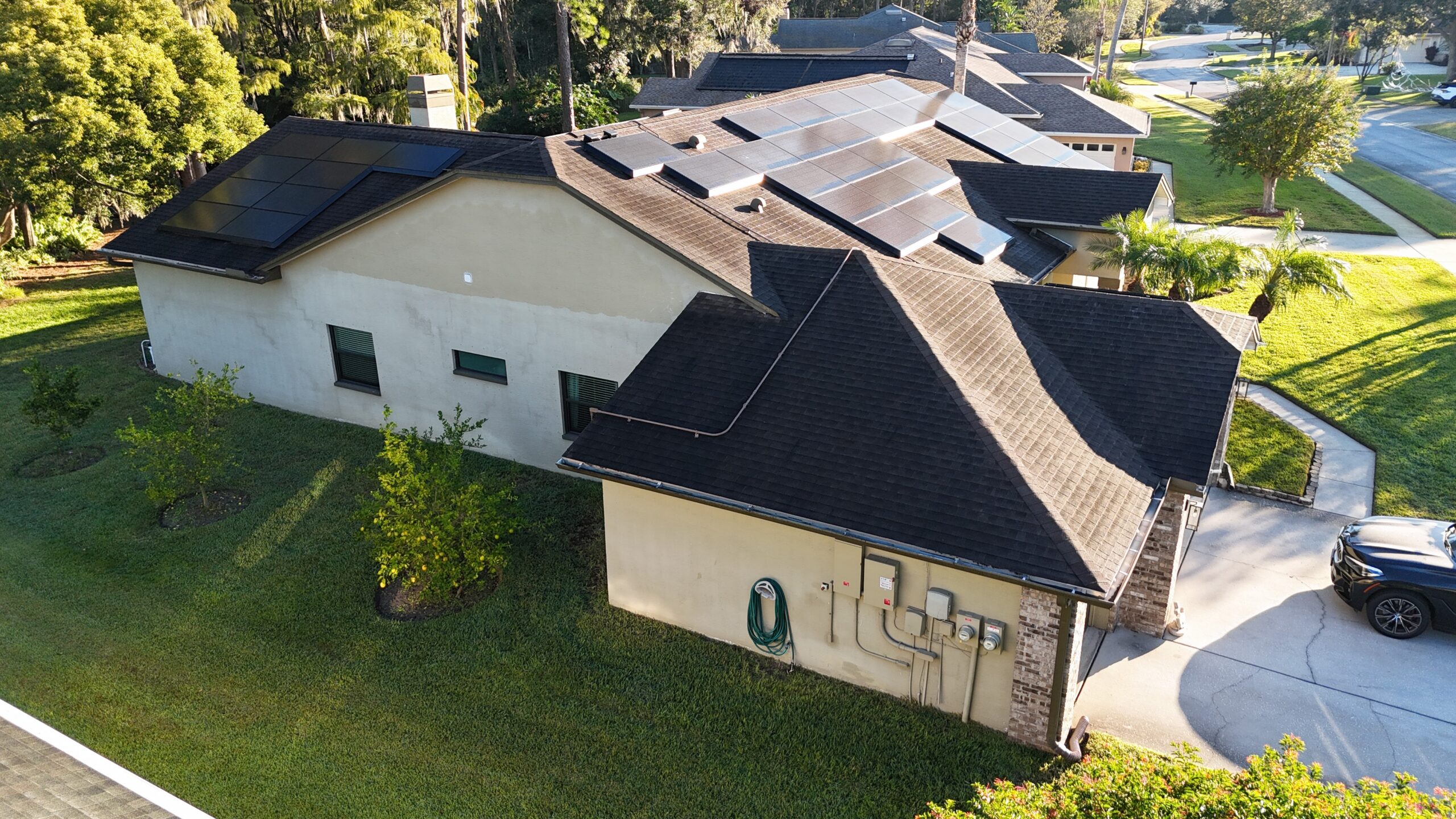
Manufacturer Warranty vs. Insurer Underwriting: Not the Same Document
A manufacturer warranty is a promise from the shingle company to replace defective product. It is a product defect guarantee. It does not promise that the roof will remain waterproof, structurally sound, or wind-resistant over the full warranty period — especially not in a hurricane zone. The warranty also comes with conditions: proper installation, approved underlayment, certified contractor installation in some cases, and regular maintenance. Many homeowners have never read the fine print.
An insurer’s underwriting guidelines are a risk assessment. The insurer is asking a different question: given the age and condition of this roof, what is the statistical probability of a claim in the next 12 months? In South Florida, insurers have claims data going back decades. That data tells them that asphalt shingle roofs degrade materially after roughly 10–15 years of South Florida exposure, regardless of the nominal warranty term.
| Factor | Manufacturer Warranty | Insurer Underwriting |
|---|---|---|
| Who it protects | You (against defective product) | The insurer (against claim probability) |
| Time horizon | Up to 50 years (nominal) | Typically 10–15 years in South Florida |
| Governing document | Warranty certificate | Carrier underwriting guidelines |
| Triggered by | Product failure / defect | Policy renewal / 4-point inspection |
| HVHZ / NOA requirement | Not required | Often required for coverage eligibility |
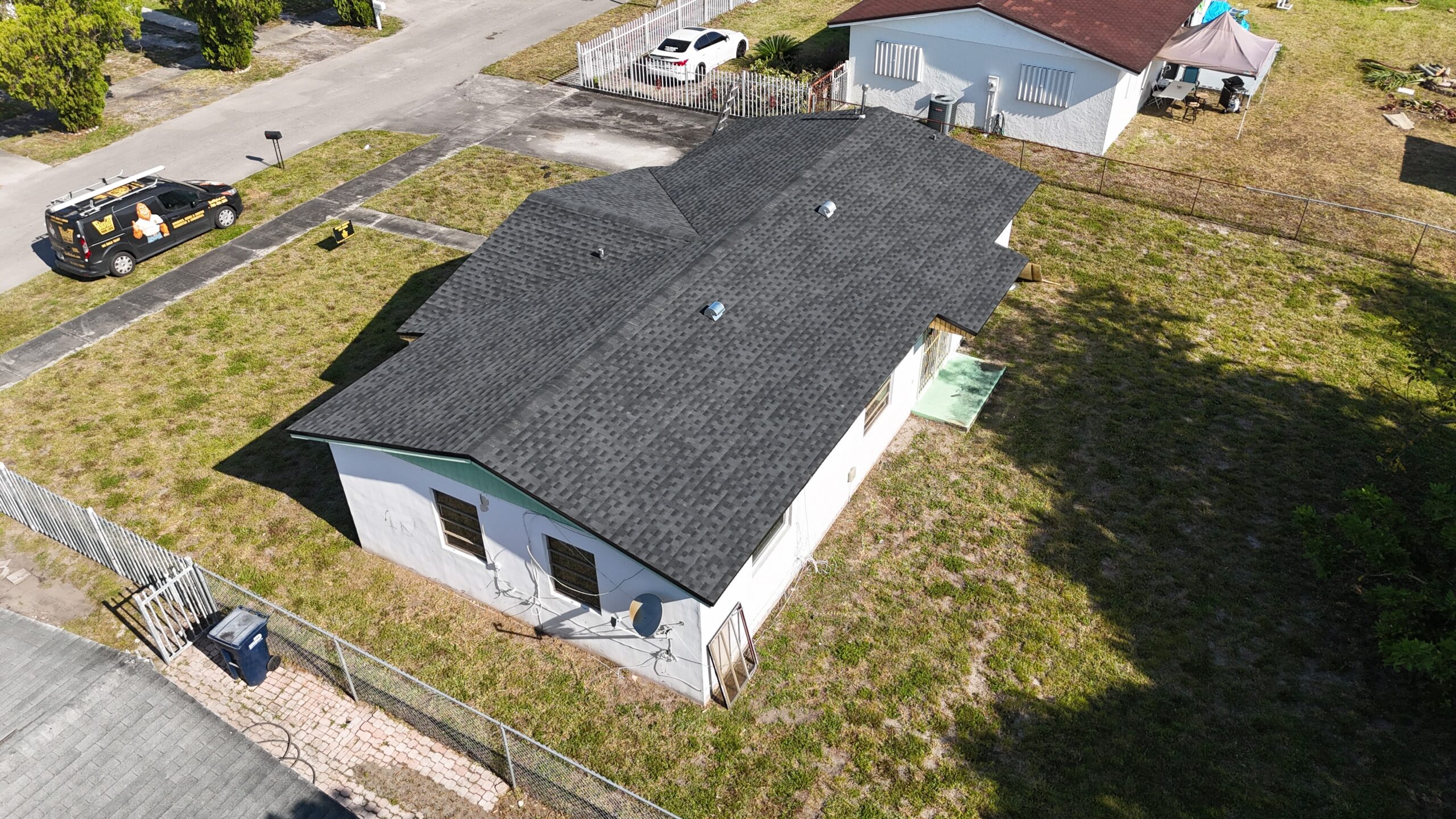
What Is a 4-Point Inspection in Florida?
A 4-point inspection is a limited home inspection required by most Florida carriers before writing or renewing a homeowner’s policy. It covers four systems: roof, electrical, plumbing, and HVAC. For the roof, the inspector documents the material type, approximate age, visible condition, and any signs of damage or deterioration.
If the inspector notes that a shingle roof is 15 or more years old, or shows granule loss, lifted tabs, soft spots, or moss, the carrier may decline renewal, require a replacement before renewal, or surcharge the premium significantly. The 50-year warranty language on the original installation paperwork does not appear on the 4-point inspection report and does not factor into the insurer’s decision.
| Roof Age at Inspection | Typical Carrier Response (Shingle) |
|---|---|
| 0–10 years | Standard coverage, no issue |
| 11–15 years | Coverage may continue; some carriers flag for review |
| 16–20 years | Many carriers require current inspection photos; some decline new policies |
| 21–25 years | Citizens Insurance and many private carriers issue non-renewal notices |
| 25+ years | Citizens non-renewal policy applies; most private carriers decline |
Citizens Insurance — Florida’s insurer of last resort — has a stated policy of non-renewing roofs that are 25 years or older. In practice, many shingle roofs in Miami-Dade and Broward show visible wear well before 25 years and trigger the same response earlier.
Material Comparison
How Different Roofing Materials Affect Insurability
Not all roof types age the same way in Florida insurer eyes.
| Roof Material | Typical Insurer Lifespan (South FL) | Notes |
|---|---|---|
| Asphalt shingle | 10–15 years | Shortest insurable life in HVHZ heat/UV |
| Metal (standing seam) | 40–50 years | Wind Proven warranty; favorable underwriting |
| Concrete tile | 25–30+ years | Long insurer life; structural load must be verified |
| Clay tile | 30–40+ years | Premium durability; higher cost |
| TPO / flat membrane | 15–20 years | Dependent on installation quality and drainage |
Metal roofing — particularly standing seam systems — has become increasingly popular in South Florida precisely because of its favorable insurance treatment. A qualifying metal roof installation can support a wind mitigation inspection that demonstrates higher wind resistance, which in turn may produce a meaningful reduction in annual premium. I have seen customers move from very high annual premiums to dramatically lower figures after a metal roof combined with a wind mitigation report and policy shopping — though individual results vary and I cannot guarantee any specific savings amount.
It is also worth noting that mixed roofing materials — for example, a home where a flat section and a pitched section were replaced at different times with different products — raise additional red flags for some carriers. The insurability question becomes more complicated when the 4-point inspector is looking at two different material types and two different installation dates on the same structure.
Why It Matters Who Does the Work
License Scope Changes What Is Possible
A licensed contractor, not a lead aggregator.
When a roof replacement triggers additional structural concerns — such as deteriorated decking, hurricane strap deficiencies, or code-driven structural repairs that surface during tear-off — a contractor authorized to handle general contractor scope can address those items under one project without stopping work to bring in a separate trade. This is not a delivery guarantee; it is a structural reality of license breadth. See the roofing services page for scope detail.
“The warranty on the shingle is real. The insurer’s underwriting guidelines are also real. They are just answering two different questions. My job is to make sure you understand both before you commit to a replacement.”
President, Bigfoot Windows & Roofing
GAF Shingle & Metal Options
What Bigfoot Installs — and Why It Matters for Your Carrier
For shingle work, Bigfoot installs GAF products. GAF’s Layer Lock shingles feature a substantially wider nail line than earlier designs, which improves fastener placement and wind resistance. The GAF Wind Proven warranty carries no maximum mph rating and is not voided by a named storm making landfall in your county, which is meaningfully different from competitor warranties typically capped at 130 mph or voided on named-storm events.
Bigfoot holds GAF Certified Plus certification. The GAF System Plus warranty — 50 years non-prorated, covering shingles, labor, tear-off, and accessories — is available on qualifying installations. Note: Bigfoot is not yet GAF Master Elite and does not offer the Golden Pledge warranty.
For homeowners whose shingle roof is aging out of insurability, a standing seam metal roof is often a stronger long-term answer. Bigfoot installs Englert or Metal Alliance standing seam systems, roll-formed on-site from 24-gauge steel. These carry a Miami-Dade NOA, which satisfies the product-approval requirement for permitted work in the HVHZ. If financing a new roof is a concern, PACE financing is available — paid through your property tax bill, no bank loan required.
What the Process Looks Like
From Inspection Notice to Covered Roof: The Typical Steps
- Review the insurer notice. Determine whether it is a non-renewal, a surcharge, or a conditional renewal pending inspection. Note the deadline.
- Get a roofing assessment. A roofing contractor should inspect the deck, underlayment, flashing, and shingle condition — not just look at the surface from the ground.
- Understand your material options. Shingle, metal, or tile each carry different cost ranges, insurance treatment, and permit requirements in Miami-Dade.
- Pull permits and complete the work. In the HVHZ, a permit is not optional. Unpermitted roofing work can void a warranty, fail a future 4-point inspection, and create title problems at resale.
- Request a wind mitigation inspection. After installation, a licensed inspector documents the wind-resistance features. This report goes to your insurer and can reduce your premium.
- Provide documentation to your carrier. The permit, the final inspection card, and the wind mitigation report together give your carrier what it needs to underwrite the new roof.
Your roof age is working against your insurance. Find out where you stand before your next renewal.
Who We’re Not the Right Fit For
- Homeowners who want the lowest possible bid. Bigfoot does not cut corners on permitting, HVHZ compliance, or material quality. If the priority is the cheapest number on paper, there are contractors who will match that — but the 4-point inspection and wind mit results will reflect the difference.
- Projects requiring only a patch or partial repair for insurance purposes. If a carrier’s sole concern is a small area and a licensed roofer’s letter will satisfy them, that is a legitimate option — Bigfoot is structured for full replacement projects.
- Homeowners outside Miami-Dade, Broward, and Palm Beach counties. Bigfoot’s licensed service area is South Florida. If you are in Central or North Florida, you need a contractor operating in your local jurisdiction.
- Buyers who want a decision in 24 hours. A proper roofing assessment, material selection conversation, permit application, and scheduled installation take time. If an insurer deadline is two weeks out, call us immediately — but understand that quality work has a lead time.
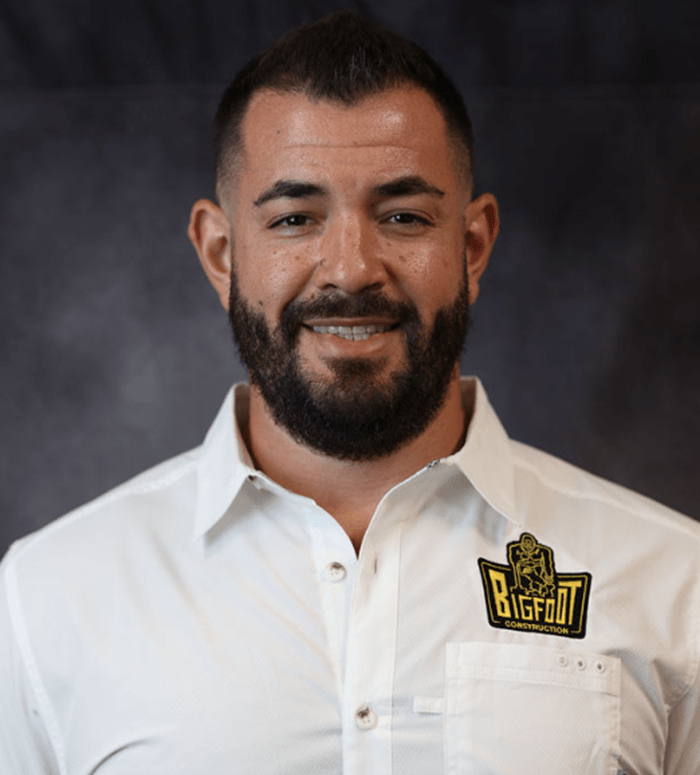
Written by Darryl Henry Rosenbaum, Founder of Bigfoot Windows & Roofing.
Darryl Henry Rosenbaum, doing business as Bigfoot Windows and Roofing, holds four active Florida licenses recognized by the Florida Department of Business and Professional Regulation (DBPR): Certified General Contractor (CGC1531370), Certified Residential Contractor (CRC1331693), Certified Roofing Contractor (CCC1333168), and Certified Specialty Contractor with a Glass & Glazing Specialty (SCC131153098).
FAQ
Frequently Asked Questions
Why do Florida insurers reject 50-year shingle warranties?
A 50-year shingle warranty is a manufacturer’s defect guarantee — it promises to replace faulty product, not to certify that your roof will remain insurable for 50 years. Florida insurers use their own underwriting guidelines based on claims data and climate risk. In South Florida’s heat, UV, and hurricane exposure, shingle roofs degrade materially after 10–15 years. Insurers are pricing risk, not honoring warranty language from a shingle company.
How old can a roof be for Florida home insurance?
Most private carriers in Florida are comfortable with shingle roofs up to 10–15 years old. Between 15–20 years, options narrow and premiums typically rise. At 25 years, Citizens Insurance has a non-renewal policy. Metal and tile roofs generally receive more favorable treatment because they last longer and perform better in wind events. Roof age thresholds vary by carrier — always confirm with your specific insurer before buying a home.
What is a 4-point inspection in Florida?
A 4-point inspection is a limited assessment of four home systems: roof, electrical, plumbing, and HVAC. Florida insurance carriers require it before writing or renewing a policy on older homes. For the roof, the inspector documents material type, approximate age, and visible condition. If the roof shows wear, granule loss, or is past the insurer’s age threshold, the carrier can decline coverage, require replacement, or increase the premium.
Does a new roof lower my Florida insurance premium?
It can — significantly in some cases, though results vary by carrier, roof type, and wind mitigation features. A
new qualifying roof combined with a wind mitigation inspection report documents wind-resistance features that insurers reward with premium discounts. Metal roofs with standing seam profiles and tested clip systems generally produce the strongest wind mit scores.
Ready to get started? Get a free, no-pressure estimate from a licensed South Florida contractor.
Do you need a permit for florida insurance shingle roof age in Miami-Dade or Broward?
Yes. Miami-Dade and Broward require a permit for re-roofing and most roof repairs. A licensed roofing contractor pulls the permit and schedules the required inspections as part of the project.