Last updated: July 2026 by the Bigfoot Windows & Roofing editorial team.
Key Takeaways
- Two roofing quotes on the same house can differ by $5,000–$15,000 or more — and headline price rarely tells you why.
- The biggest hidden variable is underlayment scope: peel-and-stick vs. 30-lb felt is a major cost and code difference.
- Plywood deck replacement is almost never included in a cheap bid — but almost always needed on older South Florida roofs.
- Permits, materials with a Miami-Dade NOA or a Florida Product Approval that covers HVHZ use, and secondary water barrier requirements can legally separate bids.
- Some scope — structural framing, hurricane straps — requires a Certified General Contractor, not just a roofer.
- The right question is not which bid is cheapest but what each bid actually includes.
The Real Problem
You Got Three Roofing Bids and They’re Thousands Apart — Now What?
Most homeowners assume the high bid is the contractor being greedy. That assumption is expensive.
You asked three South Florida roofing contractors to quote the same house. One comes in at $14,000. Another is $18,500. The third is $22,000. All three say they’ll replace your roof. All three use shingles, or metal, or tile. So why is there an $8,000 spread?
The honest answer: they are almost certainly not quoting the same job. The scope differences — what each contractor plans to do, use, and document — are where the real cost lives. This article breaks down every major variable line by line so you can evaluate a roofing estimate the way a contractor does, not just on headline price.
South Florida Context
Why Roofing Is More Complicated Here Than Almost Anywhere Else in the U.S.
Miami-Dade and Broward sit inside the High Velocity Hurricane Zone — the strictest building code jurisdiction in the country.
The Florida Building Code High Velocity Hurricane Zone (HVHZ) applies to all of Miami-Dade County and Broward County. Every roofing material installed in these counties must carry a Miami-Dade Notice of Acceptance (NOA) — a product-specific engineering approval that is not required in most of the United States — or a Florida Product Approval that covers HVHZ use. Materials that pass a generic Florida Product Approval do not automatically qualify. This matters when you are comparing bids: a contractor using underlayment or fasteners without HVHZ product approval in Miami-Dade County is either planning to fail inspection or planning to pull no permit at all.
Citizens Property Insurance, the state-backed insurer of last resort, has been non-renewing policies on roofs that are 20 or more years old. A new roof — done correctly, with a completed wind mitigation inspection — can meaningfully change your insurance premium. How much it changes depends on your insurer, your specific coverage, and the documentation your contractor provides after the job. The quality of that documentation starts with the quality of the underlying work.
South Florida’s heat, UV exposure, salt air, and hurricane season also mean that material choices that work in Atlanta or Phoenix degrade faster here. Shingle lifespans in Miami average 12–15 years — roughly half the manufacturer’s rated life in northern climates. A quote that defers underlayment upgrades may look cheap today but cost more in 10 years.
What’s Actually In the Estimate
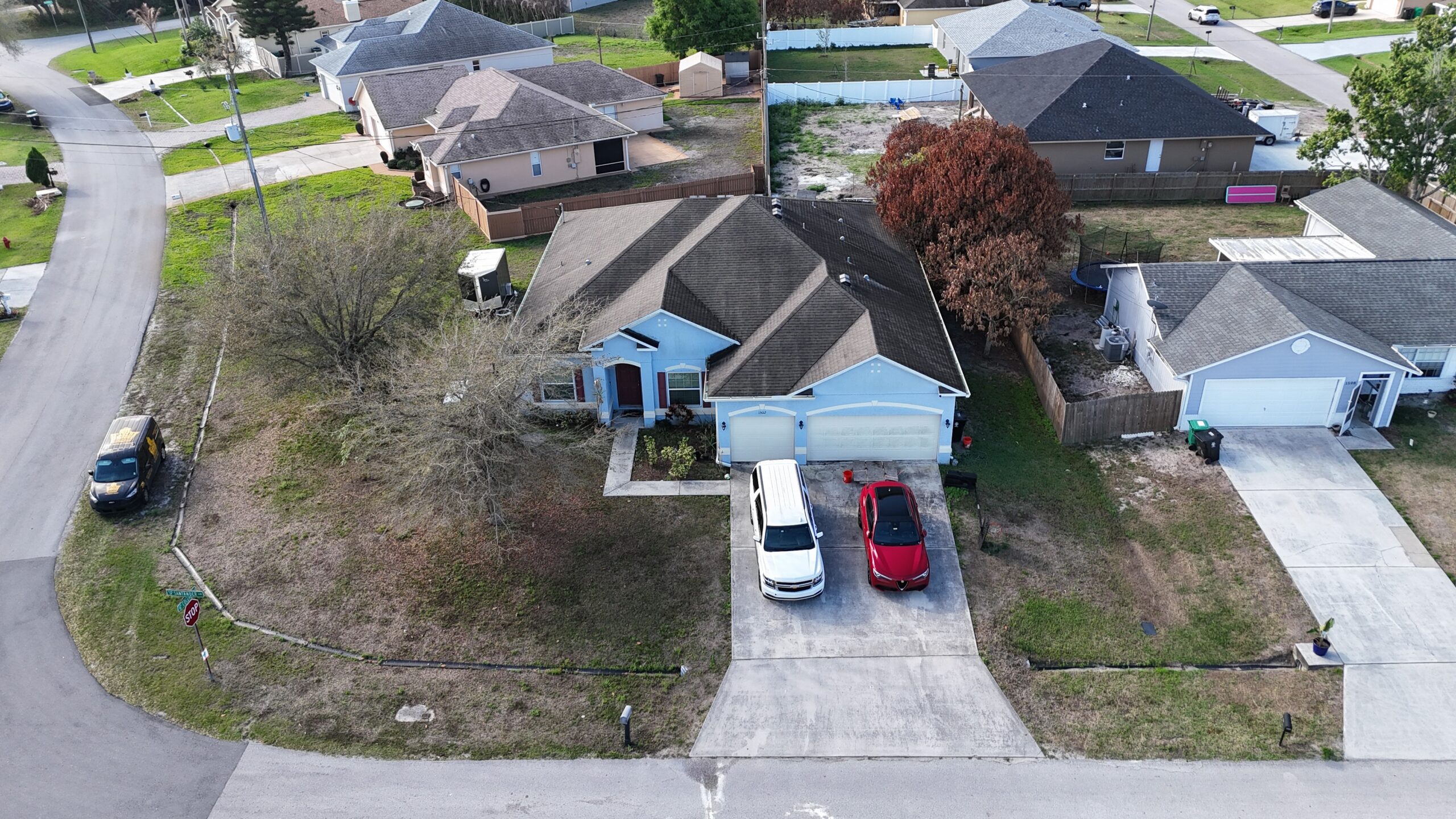
The Six Line Items That Explain Most of the Price Gap
Each of these is either present in a bid, absent from a bid, or vaguely described — and vague descriptions almost always mean the cheaper option.
1. Underlayment: 30-lb Felt vs. Peel-and-Stick
This is the single biggest hidden variable in South Florida roofing bids. Underlayment is the layer installed directly on your roof deck before the shingles, tile, or metal go on. It is your roof’s backup waterproofing layer — what stands between your interior and the sky if a shingle blows off.
There are two common options:
- 30-lb felt (tar paper): Inexpensive. Has been used for decades. Does NOT qualify as a secondary water barrier under current Florida Building Code interpretations. If your insurer offers a discount for a secondary water barrier, 30-lb felt will not trigger it.
- Peel-and-stick (self-adhered modified bitumen): Significantly more expensive in labor and material. Qualifies as a secondary water barrier. Under the 2024 Florida Building Code update, direct-to-deck peel-and-stick is now permitted — and a full-deck peel-and-stick installation qualifies for the insurance secondary water barrier discount. This is a real, documented difference in post-installation value.
A contractor quoting 30-lb felt and a contractor quoting full-deck peel-and-stick are not quoting the same roof. The peel-and-stick bid will be higher. It is also doing more work with higher-quality materials. Ask every bidder to specify their underlayment type in writing.
2. Plywood Deck Replacement
When the old roofing material comes off, your deck — the plywood or OSB substrate underneath — is exposed and inspected. In South Florida, older homes commonly have soft spots, delaminated plywood, rotten boards, or boards that simply do not meet today’s nail-pattern requirements under current code.
A cheap bid often handles deck replacement one of two ways: (a) it excludes deck replacement entirely, showing you a price that assumes the deck is in perfect shape, or (b) it includes a token allowance — say, five sheets — that almost never covers what’s actually needed on a 20-year-old South Florida home.
A thorough bid will either specify a per-sheet replacement price (typically $80–$120 per sheet installed in South Florida, though this varies by material cost at time of work) or will disclose clearly that deck replacement is priced separately and explain the pricing structure. If a quote says nothing about deck replacement, assume it is not included.
3. Permit Fees and NOA Compliance
Every legitimate roof replacement in Miami-Dade County and Broward County requires a permit. Permit fees vary by municipality and are based on the value of the work — typically a few hundred to over a thousand dollars depending on scope. A contractor who is not pulling a permit is not in the bid. Their quote will be lower because they are skipping a legally required step.
Beyond fees, pulling a permit means the work must use materials with a current Miami-Dade NOA or a Florida Product Approval that covers HVHZ use. Not every product on the market carries one. Contractors using NOA-compliant materials pay more for them. That difference shows up in the quote.
4. Tear-Off and Disposal
Removing your existing roofing material — and hauling it away — costs money. In South Florida, dumpster permits, disposal fees, and labor for tear-off of old tile can run $1,500–$4,000 depending on the material and roof size. Some contractors include this in a single-line total. Others itemize it. A few will quote the new roof installation only and add tear-off as a separate line or exclude it from the headline number. Confirm whether tear-off and disposal are included.
5. Drip Edge, Flashing, and Penetration Sealing
Metal drip edge along the eaves and rakes, step flashing at walls, and proper sealing around pipes and HVAC penetrations are small line items that make large differences in leak prevention. A low bid often uses minimal flashing, skips ice-and-water shield at valleys, or uses caulk instead of formed metal at transitions. These are not visible at bid time and may not be visible after installation — but they are visible when a leak appears two years later.
6. Structural Scope — What a Roofer Cannot Legally Do
This is the variable that surprises homeowners most: some of the work that needs to happen during a roof replacement cannot legally be performed by a roofing contractor alone. Hurricane strap installation, structural rafter repairs, framing modifications to bring an older structure into current code — these tasks fall within the scope of a general contracting license, not just a roofing license.
A contractor who holds only a roofing license may find during the tear-off that your home needs hurricane straps upgraded or a rafter sistered — and then must either stop work, subcontract the structural portion, or do it without authorization. Any of these outcomes adds time, adds cost, or adds risk. A contractor authorized to coordinate general contracting scope in-house can handle those discoveries without stopping the job or adding a second point of accountability. That structural scope capability is part of what separates some higher bids from lower ones — and it is a legitimate reason for the price difference, not contractor padding.
| Line Item | Low Bid (Often Missing) | Complete Bid (Includes) |
|---|---|---|
| Underlayment | 30-lb felt only | Full-deck peel-and-stick (secondary water barrier) |
| Deck Replacement | Excluded or token allowance | Per-sheet pricing disclosed upfront |
| Permit + NOA Materials | Omitted or unclear | Permit pulled, Miami-Dade NOA materials specified |
| Tear-Off & Disposal | Not included in headline | Included and itemized |
| Flashing & Drip Edge | Minimal / caulk | Formed metal, sealed penetrations |
| Structural Scope | Subcontracted or skipped | GC-authorized scope handled in-house |
Bid Comparison
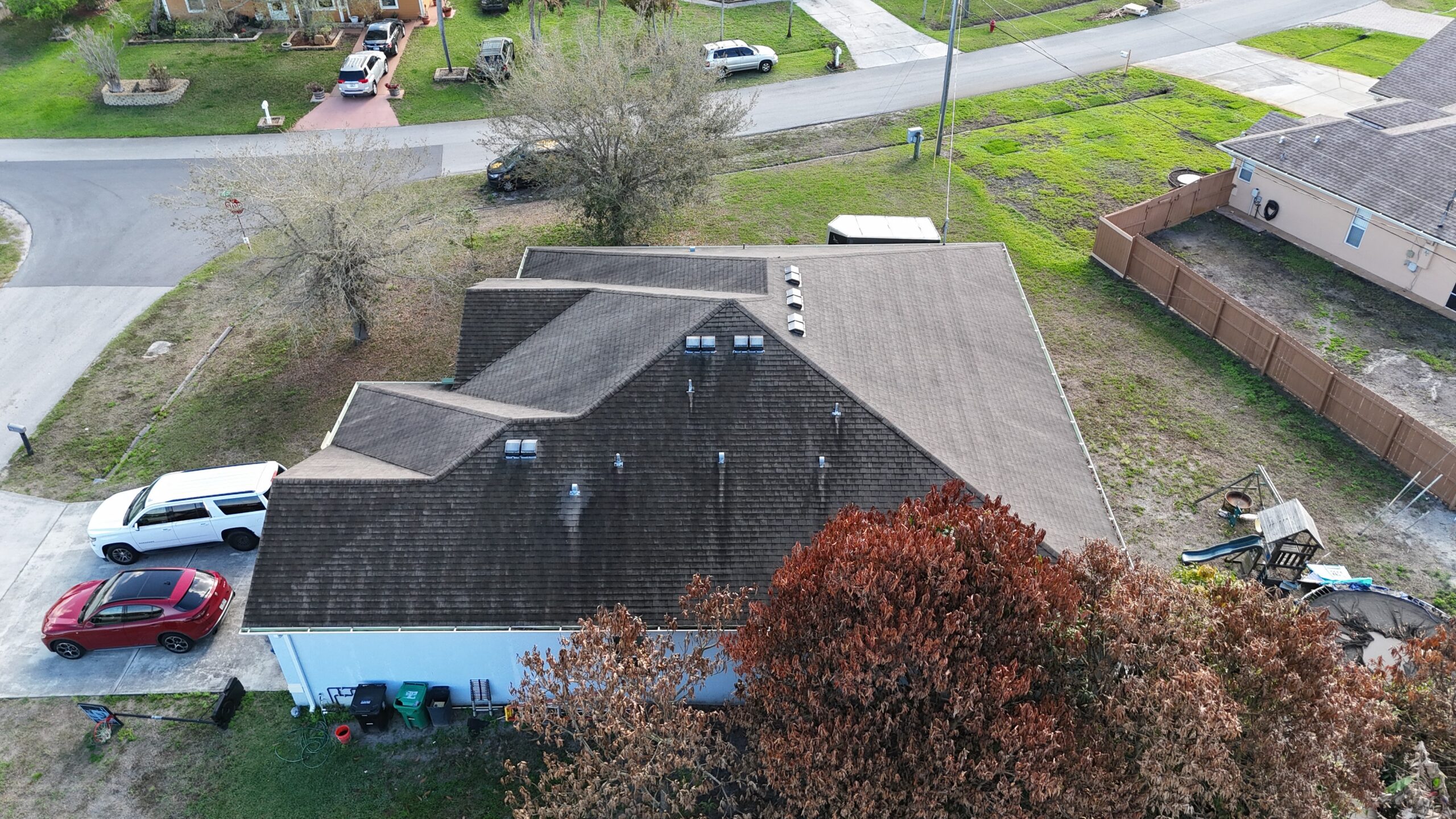
Roofing Price Ranges in South Florida by Material
These are installed cost ranges per square (100 sq ft) — complete scope including underlayment, permit, tear-off, and standard flashing.
| Material Type | Typical Range per Square | What Pushes to Upper Range |
|---|---|---|
| Asphalt Shingle (GAF) | $750 – $850 | Peel-and-stick underlayment, deck replacement, complex geometry |
| Metal Standing Seam | $1,050 – $1,300 | Custom fabrication, on-site roll-forming, clip system, finish grade |
| Metal Tile / Stone-Coated | $1,175 – $1,400 | Batten system, structural load considerations, profile complexity |
| Flat Roof (TPO / Membrane) | $800 – $1,400 | Tapered ISO insulation, Dens Deck cover board, drain relocation |
| Concrete or Clay Tile | $1,000 – $1,350 | Clay (higher than concrete), roof pitch, structural load assessment |
Important: These ranges assume a complete scope. A quote significantly below the low end of these ranges for your material type should prompt you to ask exactly what is excluded — not to assume you found a bargain.
When the Lower Bid Might Be the Right Fit
A lower bid is not automatically incomplete. There are legitimate scenarios where a lower-scope quote matches what you actually need:
- Your deck was replaced recently and is documented as sound — deck replacement may genuinely not be needed.
- You have a newer home (post-2004) with hurricane straps already installed — structural scope may be minimal.
- Your municipality has lower permit fees — the difference may be real, not a sign of permit-skipping.
- A smaller, simpler roof pitch reduces labor time — legitimate cost savings.
The key is asking the contractor to specify in writing what is and is not included, so you are comparing the same scope across bids.
Verified Credentials
Scope Authority Backed by Four Active Florida Licenses
A licensed contractor, not a lead aggregator — four DBPR-recognized licenses held by one person on every job.
Florida licensed: CGC1531370 · CRC1331693 · CCC1333168 · SCC131153098
“The jobs that surprise homeowners most are the ones where a roofer tears off the old material and finds structural problems they can’t legally touch. We hold the GC license precisely so that discovery doesn’t stop the job or create a second contractor situation.”
President, Bigfoot Windows & Roofing
Material Guidance
What Materials We Recommend — and Why It Affects Your Quote
The materials in a roofing bid are not interchangeable. Here is what drives the difference in South Florida.
GAF Shingle Roofing
We install GAF shingles and hold GAF Certified Plus certification, which means we can offer the System Plus warranty — a 50-year non-prorated warranty covering shingles, labor, tear-off, and accessories. The GAF Layer Lock shingle uses 19 dimples per shingle and a 1.81-inch nail line — roughly 600% wider than pre-2020 designs — for consistent nail placement and wind resistance. The Wind Proven warranty carries no maximum wind speed cap and is not voided by a named storm making landfall in your county. A bid using a different shingle brand or installation method will not carry these terms. That warranty difference is part of why a complete GAF bid costs more than a builder-grade alternative.
Metal Standing Seam (Englert or Metal Alliance)
We use Englert or Metal Alliance standing seam metal, fabricated custom per job with a roll-forming process done on-site. Panels run one continuous piece from bottom to top — no horizontal seams — which is a structural advantage in hurricane conditions. The clip system uses manufacturer-approved clips at specific spacing intervals; knockoff clips have caused failed inspections requiring full roof redos. The paint system is a multi-coat proprietary finish rather than the single-coat system used by many competitors. A quote for a metal roof that comes in significantly below our range almost always reflects a different clip system, a different panel profile, or a different paint process — not simply a lower margin.
Secondary Water Barrier — the Peel-and-Stick Question
Under the 2024 Florida Building Code, direct-to-deck peel-and-stick underlayment is now permitted across the state. A full-deck peel-and-stick installation qualifies as a secondary water barrier, which can trigger a discount on your homeowner’s insurance. This is a verifiable, documented code distinction. If your current quote uses 30-lb felt, it does not qualify. Ask your contractor which underlayment is specified and whether it meets the secondary water barrier definition under your insurer’s wind mitigation form. To learn more about how a new roof affects your insurance picture, see our guide on roof replacement in South Florida.
Our Estimate Process
What a Complete Roofing Estimate Looks Like — Step by Step
Understanding the process helps you evaluate whether any contractor’s bid is complete.
- Initial inspection and measurement — We measure the roof, document its current condition, identify any visible deck issues, and note structural indicators (existing hurricane straps, rafter spacing, prior repairs).
- Scope definition in writing — The estimate specifies material type, underlayment spec, permit inclusion, tear-off and disposal inclusion, deck replacement pricing structure, and any structural scope items identified.
- Permit pull and NOA verification — We pull the permit before work begins. All materials carry a current Miami-Dade NOA for HVHZ projects.
- Installation with mid-project inspections — Deck inspection happens after tear-off; any additional deck replacement is documented and communicated before proceeding.
- Final inspection and documentation — We schedule the final building department inspection and provide the wind mitigation documentation homeowners need for their insurance review.
If you want a detailed estimate that breaks down these line items for your specific home, you can use our roofing estimator to get a baseline range before we visit.
Have multiple bids and not sure what you’re comparing?
Call us and we will walk through each bid with you line by line — no obligation, no pressure.
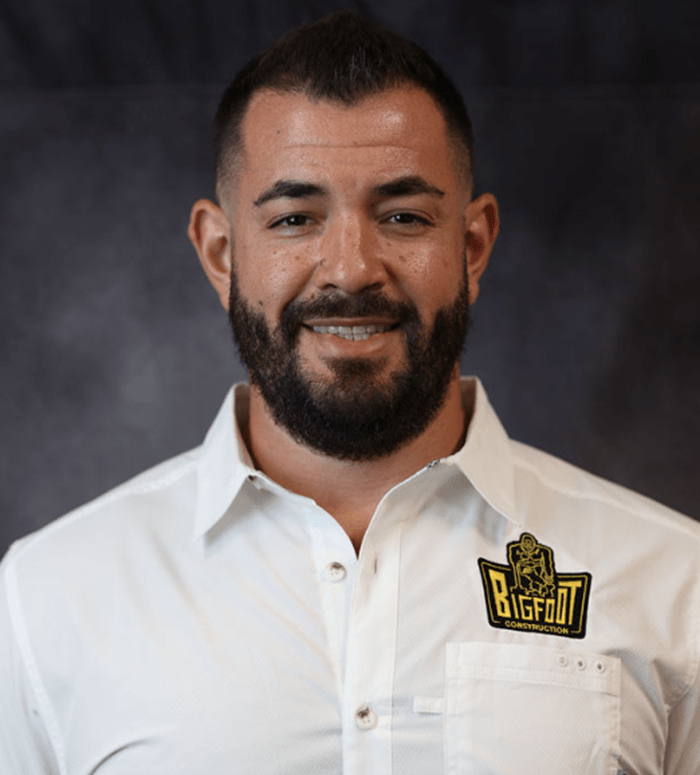
Written by Darryl Henry Rosenbaum, Founder of Bigfoot Windows & Roofing.
Darryl Henry Rosenbaum, doing business as Bigfoot Windows and Roofing, holds four active Florida licenses recognized by the Florida Department of Business and Professional Regulation (DBPR): Certified General Contractor (CGC1531370), Certified Residential Contractor (CRC1331693), Certified Roofing Contractor (CCC1333168), and Certified Specialty Contractor with a Glass & Glazing Specialty (SCC131153098).
Who We’re Not the Right Fit For
We try to be direct about this. Bigfoot Windows & Roofing is not the right contractor for every situation.
- You need the absolute lowest number to approve the project. We do not cut scope to win a bid. If your primary criterion is the lowest headline price regardless of what is included, you will likely find a lower quote elsewhere. We would rather explain why we cost what we cost than quietly match a number that skips underlayment or permits. Next step: ask any lower bidder to provide a written scope that matches ours line for line, then compare.
- You want repairs rather than a full replacement. If your roof is a few years old and has isolated damage, a repair may be the right call. We do not pressure homeowners toward full replacements. If a repair makes sense, we will tell you — but repair-only work is a smaller part of our operation, and a specialist repair contractor may serve you better. Next step: get a leak assessment from a company whose primary business is repairs.
- You are outside our service area. We serve Miami-Dade, Broward, and Palm Beach counties. Projects outside these areas are not something we can take on. Next step: verify your county and search for contractors with HVHZ experience specific to your jurisdiction.
- Your project timeline is weeks, not months. Permitted roofing work in South Florida requires scheduling, material delivery, and inspection windows. If you need a roof done in the next two weeks, we may not be able to accommodate your timeline without compromising the process. Next step: be transparent with any contractor about your timeline and ask how it affects permitting and scheduling.
Common Questions
Frequently Asked Questions
Why are roofing quotes so different in South Florida?
The most common reasons are differences in underlayment specification (peel-and-stick vs. 30-lb felt), whether plywood deck replacement is included, permit fees and NOA-compliant materials, and whether structural scope is handled in-house or excluded. Two quotes on the same house can differ by thousands while both technically offering a “roof replacement.” Ask each contractor to specify every line item in writing before comparing prices.
What should a roofing estimate include?
A complete estimate should specify: material type and brand, underlayment type and whether it qualifies as a secondary water barrier, permit inclusion, tear-off and disposal, deck replacement pricing structure, flashing and drip edge scope, and any structural work identified. If an estimate is a single lump sum with no breakdown, ask for the line items. Vague scope almost always means scope that can be quietly reduced after signing.
What is a secondary water barrier on a roof?
A secondary water barrier is an additional waterproofing layer — typically a self-adhered peel-and-stick underlayment — installed directly on the roof deck before the primary roofing material. Under the 2024 Florida Building Code, full-deck peel-and-stick qualifies as a secondary water barrier, which can trigger an insurance discount under a completed wind mitigation inspection. Standard 30-lb felt does not qualify. Ask your contractor which underlayment they plan to use before signing.
What is peel-and-stick underlayment?
Peel-and-stick (self-adhered modified bitumen) is an underlayment that bonds directly to the roof deck without mechanical fasteners, creating a watertight seal even if a shingle is lost in a storm. It costs more than 30-lb felt in both material and labor. In South Florida’s hurricane climate, it provides meaningful backup protection and qualifies as a secondary water barrier for insurance purposes. It is a legitimate reason for a higher bid, not contractor padding.
How much does a roof replacement cost in Miami?
Installed costs for a complete South Florida roof replacement typically range from $750–$850 per square (100 sq ft) for GAF shingle, $1,050–$1,300 per square for metal standing seam, and $1,000–$1,350 per square for tile. These ranges assume a full scope including underlayment, permit, tear-off, and standard flashing. Quotes significantly below these ranges often exclude one or more of those items. Deck replacement, if needed, is typically priced separately per sheet.
Can a roofing contractor also do structural repairs?
A contractor holding only a roofing license is generally not authorized to perform structural framing repairs, hurricane strap installation, or structural modifications. That work falls under general contracting scope. If a roofer discovers structural issues during tear-off and cannot handle them in-house, work may stop while a separate contractor is sourced. A contractor who holds both a Certified Roofing Contractor license and a Certified General Contractor license can handle both scopes without stopping the job or splitting accountability.
Does a new roof help with homeowner’s insurance costs?
A new roof — done correctly with proper documentation — can support a wind mitigation inspection that may reduce your insurance premium. The key factors insurers look at include roof age, roof shape, attachment method (nail pattern, clip type), and whether a secondary water barrier was installed. The specific savings depend on your insurer, your coverage, and your wind mit results. Citizens Insurance has been non-renewing policies on roofs 20 or more years old, so replacement may also affect insurability, not just premium. For financing options, see our roof financing page.
Sources
- Florida Building Code (7th Edition, 2020; 2024 supplement) — High Velocity Hurricane Zone provisions and underlayment requirements
- Miami-Dade County Product Control — Notice of Acceptance (NOA) program requirements for HVHZ roofing materials
- Florida Department of Financial Services — Wind Mitigation Inspection Form (OIR-B1-1802) — secondary water barrier definition
- Citizens Property Insurance Corporation — Underwriting guidelines on roof age and eligibility
- GAF Roofing — System Plus and Wind Proven warranty program documentation
Ready to see what a complete South Florida roofing estimate looks like?
Request a free estimate online or call us directly. We will itemize every line so you can compare it against any other bid you have.